Power outages demand heat solutions you can trust. This guide aggregates the best heaters designed to operate during outages, across propane, kerosene, dual-fuel, and electric options. Each selection focuses on safety, run-time, and practical warmth for spaces like garages, workshops, living rooms, and campsites. Whether you need no-electricity operation or efficient gas-powered heat, these picks help you stay comfortable when the power is out.
Summary of selected products
| Product | Fuel Type | Heating Capacity | |
|---|---|---|---|
| Mr. Heater 9,000 BTU Portable Buddy Radiant Propane Heater | Propane | 4,000–9,000 BTU/hr | Up to ~225 sq ft |
| WELLUCK Propane Heater Indoor, 18,000 BTU | Propane | 6,000/12,000/18,000 BTU | Up to 450 sq ft |
| VESTA Self-Powered Camping Indoor/Outdoor Heater & Stove | Canned heat (no power) | Up to 200 sq ft | Indoor use |
| Sengoku HeatMate 23,500 BTU | Kerosenes | 23,500 BTU | Indoor and outdoor, up to 1,000 sq ft |
| BEYOND HEAT Electric Garage Heater | Electric | 750/1500W | Garage/Shop |
Mr. Heater 9,000 BTU Portable Buddy Radiant Propane Heater

The Portable Buddy provides radiant heat with selectable 4,000 or 9,000 BTU/hr output. It is designed for indoor and outdoor use and warms spaces up to roughly 225 square feet. Its compact form supports easy positioning in garages, sheds, and temporary shelter areas, making it a practical option during power outages when safe ventilation is maintained.
Key features include portability, safety approvals for indoor use, and a heat range suitable for small-to-medium rooms. For outages where electricity is unreliable, this propane heater can maintain warmth without grid power, assuming proper ventilation and adherence to manufacturer guidelines.
WELLUCK Propane Heater Indoor, 18,000 BTU

This outdoor-leaning propane heater delivers three heat settings—6000, 12000, and 18000 BTU—to customize warmth for spaces up to 450 square feet. It operates for long durations on a standard 20-pound propane cylinder and is designed to function during power outages when ventilation is adequate. It offers tip-over and oxygen depletion safety features to enhance safety in varied environments.
With no dependence on electrical power for operation (for outdoor use), this heater is well-suited for garages, workshops, and covered patios during outages or severe weather events. The unit’s adjustable settings support flexible heat management as temperatures fluctuate.
VESTA Self-Powered Camping Indoor/Outdoor Heater & Stove

The VESTA unit combines a space heater with a stove in one compact, off-grid design. It can warm up to 200 square feet and runs on canned heat, removing the need for electrical power. This makes it ideal for emergency use in fully insulated spaces or well-ventilated indoor areas where a quick, contained heat source is needed during outages.
Ventilation considerations are essential, and the dual-purpose functionality supports cooking needs as well as warming. It is especially useful for campers and off-grid setups where electricity is unavailable or unreliable.
Kerosene Heaters Indoor Kerosene Heaters 9000BTU
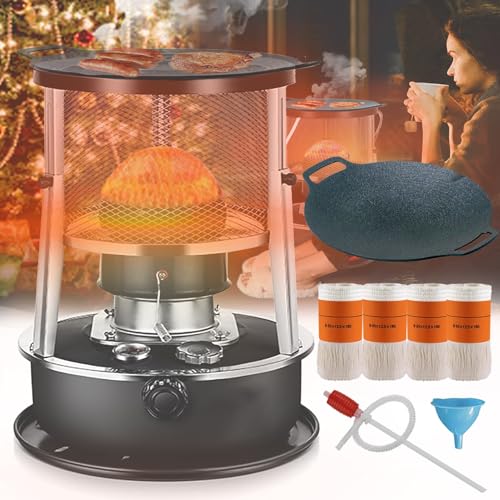
The 9000 BTU kerosene heater provides non-electric, rapid warmth suitable for outages. It’s designed for portability and efficient operation wherever you have kerosene. Safety features often include anti-pouring wicks and mechanisms to mitigate hypoxia and smoke, making it a dependable option for emergency heat in spaces like basements, sheds, and tents with adequate ventilation.
Expected use involves quick ignition and immediate heat output, helping to offset cold snaps during outages. Energy-saving protections reduce risk of overuse in extended outage scenarios.
Sengoku HeatMate Indoor & Outdoor Kerosene Heater
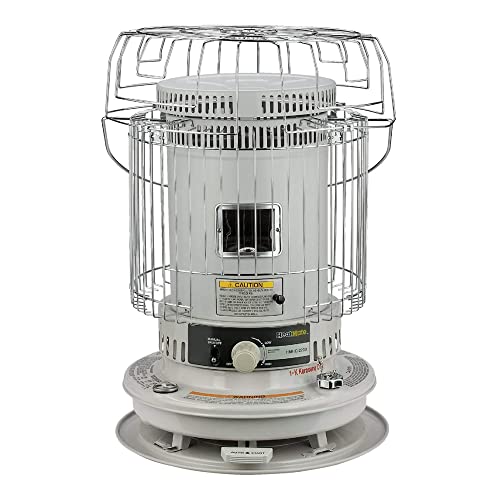
The Sengoku HeatMate delivers a robust 23,500 BTU output suitable for heating large spaces up to 1,000 square feet. It is designed for both indoor and outdoor use, offering flexibility during outages for garages, basements, and open shelter areas. A built-in safety framework includes automatic shutoff and tip-over protection to reduce risk in busy, variable environments.
With a long burn time and substantial heat output, this model is a strong candidate when you need sustained warmth during extended outages, especially in poorly insulated spaces or during extreme cold.
Heat Hog 4,000 BTU Portable Propane Heater

This compact propane heater provides 4,000 BTU of radiant heat, suitable for spaces up to 100 square feet. It runs on a 1-pound LP cylinder and does not require electricity, making it a practical supplemental heat source for small areas during outages or outdoor activities. The angled head design directs heat precisely where needed, expanding its usable warmth in tight spaces.
Its portability is a key advantage for quick deployment in garages, tents, or outdoor shelters when power is unavailable, though it is best used in well-ventilated areas to ensure safe operation.
Dura Heat EUH1465 Electric Forced Air Heater
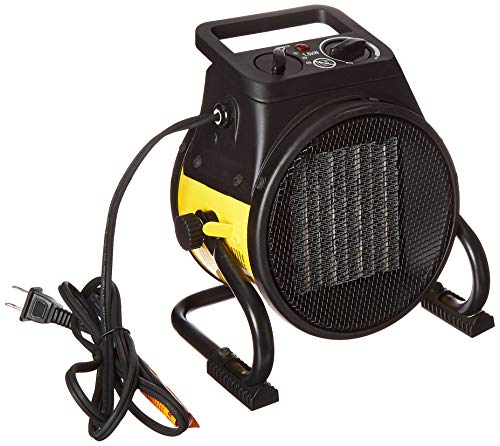
This electric forced-air heater provides 1500W of warming power, delivering quick warmth for small spaces and workshops. The rugged steel construction supports durability in garages and job sites, while the dual settings offer flexibility between heat and fan-only operation. It is a straightforward option when electrical power is available and you need rapid, directional heating.
For outages when power is restored, this model becomes a reliable primary heat source indoors, with a focus on fast heat delivery and compatibility with typical American 120V circuits.
BEYOND HEAT Electric Garage Heater 120V

Two-pack 750/1500W ceiling-mount garage heaters provide focused radiant warmth and optional halogen lighting. They are designed to mount on ceilings and offer adjustable heat settings along with a light option. While dependent on electricity, these units deliver consistent warmth for spaces like workshops and garages when power is available and can supplement battery-powered or backup options during outages.
Safety features include a durable grille, tilt protection, and overheat protection, contributing to safer operation in larger, frequently used spaces.
Buying Guide: Key Considerations For Power Outage Heating
Choosing a power outage heater requires balancing heat output, fuel availability, safety, and space requirements. Here are the main angles to consider:
- Fuel type and run-time: Propane and kerosene units offer independence from electricity but require a fuel supply and proper ventilation. Electric heaters depend on power but deliver consistent warmth with straightforward operation.
- Space size and insulation: Match BTU ratings to the intended space and its insulation. Larger, poorly insulated areas benefit from higher BTU models; smaller, well-insulated rooms may be comfortable with lower settings.
- Ventilation and safety: Indoor use mandates adequate ventilation and carbon monoxide awareness. Look for safety features such as tip-over switches, oxygen depletion sensors, automatic shutoffs, and sturdy grills to protect against contact.
- Portability and installation: Portable heaters offer flexibility for moving warmth around the home. Ceiling- or wall-mounted options save space but require more setup and clearance.
- Double-duty tools: Some products combine heat with cooking capabilities or lighting, which can be advantageous in outages but require careful safety handling and appropriate ventilation.
- Maintenance and replenishment: Fuel-based heaters require regular fueling, wick replacement, and cleaning. Electric units need power access and protection from dust and moisture in workshop areas.
When evaluating options, consider a mix of heat sources to cover different outage scenarios: a portable propane heater for flexible warmth, a larger kerosene or gas unit for sustained heat in a workshop, and electric units for quick warmth when grid power is available again. Always follow manufacturer guidance for safe indoor use and ventilation, especially in enclosed spaces.