Staying warm in a deer blind or hunting shelter is crucial for comfort, focus, and safety. The right heater combines efficient heat output, safety features, and portability to keep you comfortable without drawing attention or consuming excessive fuel. The following guide highlights five top-rated propane radiant heaters that are well-suited for hunting blinds, hides, and temporary shelters. Each product section includes essential specifications and practical usage notes to help you compare options at a glance.
Summary table of chosen products:
| Product | BTU Range | Type | Best Use |
|---|---|---|---|
| 9,000 BTU Portable Buddy Radiant Propane Heater | 4,000 or 9,000 | Radiant Propane Heater | Medium to large blinds, indoor/outdoor use |
| 12,000 BTU Hunting Buddy Portable Radiant Propane Heater (Camo) | 6,000 or 12,000 | Radiant Propane Heater | Medium to large spaces, outdoor use |
| Mr. Heater MH12B Hunting Buddy Space Heater, Camouflage | 6,000 to 12,000 | Radiant Propane Heater | Outdoor/portable blinds, rugged conditions |
| Heat Hog 4,000 BTU Portable Propane Radiant Space Heater | 4,000 | Radiant Propane Heater | Small to medium spaces, quick heat |
| 18,000 BTU Big Buddy PRO Series Heater | 4,000 to 18,000 | Radiant Propane Heater | Large spaces, extended hunts |
9,000 BTU Portable Buddy Radiant Propane Heater

The Mr. Heater Portable Buddy provides flexible heat with two BTU settings: 4,000 or 9,000 BTU per hour. It is designed and approved for indoor and outdoor use and can heat up to approximately 225 square feet, making it suitable for mid-sized blinds and shelters. This model emphasizes portability and quick-start operation, which is useful for hunters who move between hides or need rapid warmth after dawn.
TIDEWE Heated Hunting Chair With Battery

Note: This entry is a chair with built-in heating rather than a standalone heater. It is included here as a heating option for blinds where a stand-alone heater may be impractical. It offers dual heating zones with three levels of heat and a silent design to minimize disturbance. The chair’s 360-degree swivel helps you adjust your view while staying warm, especially during long sits in still-hunting scenarios.
12,000 BTU Hunting Buddy Portable Radiant Propane Heater (Camo)

This model offers 6,000 or 12,000 BTU per hour output and is designed for use with propane gas. It heats up to 300 square feet, making it a strong option for larger blinds or shelters where space requires more robust warmth. The camo finish also helps blend into hunting setups.
Mr. Heater MH12B Hunting Buddy Space Heater, Regular, Camouflage

The MH12B provides 6,000 to 12,000 BTU radiant heating for spaces up to 300 square feet and is approved for outdoor use. It features clean-burning operation with high efficiency. It includes safety features like auto shut-off if tipped over, pilot light issues, or low oxygen detection. For high-altitude hunts over 7,000 feet, operation guidance suggests possible shut-off conditions.
Heat Hog 4,000 BTU Portable Propane Radiant Space Heater

The Heat Hog heater emphasizes portability and direct heat delivery. With 4,000 BTU of radiant heat, it can warm up to about 100 square feet. It runs off a 1 lb. LP cylinder and does not require electricity, which can be advantageous in blinds without access to power. Its angled head design directs heat precisely where needed and expands the effective heating area with a wider heat pattern.
18,000 BTU Big Buddy PRO Series Heater
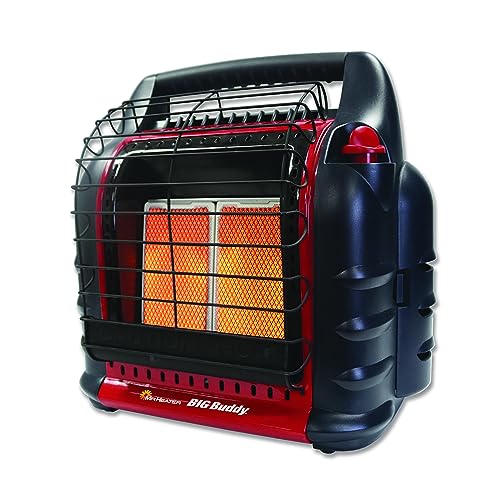
The Big Buddy PRO Series offers a wide heat range from 4,000 to 18,000 BTU per hour and can heat spaces up to 450 square feet. It is approved for indoor/outdoor use and aims for high efficiency with safety features such as auto shut-off if tipped, pilot light extinguished, or low oxygen detected. At higher altitudes above 7,000 feet, users should expect shut-off behavior in some conditions. This model suits large blinds or shelters that require sustained warmth during extended hunts.
3,800 BTU Little Buddy Portable Radiant Propane Heater
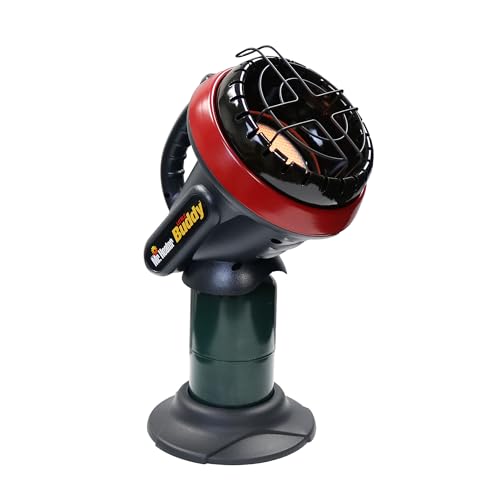
The Little Buddy provides 3,800 BTU per hour for heating spaces up to 95 square feet. It is propane-powered and designed for compact applications where space is limited, such as small blinds or temporary shelter corners. Its compact size makes it a practical secondary heat source when combined with a larger heater in a larger blind setup.
Buying Guide: Key Considerations for Hunting Blind Heaters
- Heat output and area: Compare BTU ranges to the square footage of your blind or shelter. Larger spaces benefit from higher BTU ratings, while smaller hides can be efficiently heated with lower outputs.
- Fuel type and availability: Propane is common and portable, but ensure you have a steady supply and safe storage options in the field. Some models run on disposable cylinders; others may accommodate larger tanks.
- Indoor vs outdoor use: Confirm whether the heater is rated for indoor operation, outdoor use, or both. In tightly enclosed blinds, proper ventilation remains essential for safety.
- Safety features: Look for auto shut-off on tip-over, low-oxygen detection, overheat protection, and stable bases to minimize tipping risk in uneven ground.
- Portability and setup: Evaluate weight, handles, and ease of transport. For frequent hunts, a lighter or compact model can reduce fatigue during deployment and packing.
- Heat distribution: Consider angled heads, wide heat patterns, and adjustable controls to direct warmth where you sit, reducing cold spots inside the blind.
- Altitude considerations: Higher elevations can affect combustion and performance. Some units specify how they operate above certain altitudes and may require adjustments or ceasing operation beyond recommended levels.
- Reliability and maintenance: Stainless components, clean-burning attributes, and ease of filter or valve maintenance contribute to longer-term reliability in rugged hunting conditions.
- Noise and scent: In hunting blinds, quiet operation helps maintain stealth. Some products emphasize silent design and reduced fan noise or mechanical movement.
- Cost of operation: While prices vary, consider fuel efficiency and run time per cylinder to estimate ongoing costs during extended hunts.