The right 60,000 BTU garage heater can quickly warm up large garages, workshops, and job sites. This article highlights five strong options that balance power, safety, and efficiency, helping American readers choose a heater that fits demanding spaces. Each listing includes key features, safety considerations, and practical use tips to support informed decisions.
Summary of chosen products:
| Product | Brand | BTU Range | Key Use | Image |
|---|---|---|---|---|
| Habitio 60,000 BTU Forced Air Propane Heater | Habitio | 40,000–60,000 | Garage and jobsite heating |  |
| Remington LP Forced Air Heater, 60,000 BTU | Remington | 60,000 | Construction sites and workshops |  |
| Mr. Heater 60,000 BTU Forced Air Propane Heater | Mr. Heater | 30,000–60,000 | Garage spaces with long hose setup | 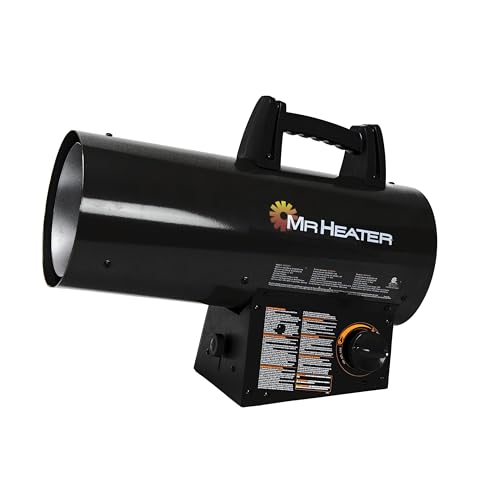 |
| InoKraft MaXheat MH68 68,000 BTU | InoKraft | 30,000–68,000 | Medium to large garages |  |
| Dura Heat LPC80 50-80,000 BTU Propane Heater | Dura Heat | 50,000–80,000 | Flexible sizing for large spaces |  |
Habitio 60,000 BTU Propane Heater
Powerful heating capacity: With 40,000–60,000 BTU/h and coverage up to 2,195 sq. ft., the Habitio unit is well-suited for large spaces. It warms quickly and maintains a comfortable environment. Pulse ignition supports a safe startup, and overheat protection with automatic shutdown adds safety. Includes a 10 ft hose and regulator. Note: After connecting gas pipes, tighten with a wrench to prevent leaks.
Remington LP Forced Air Heater, 60,000 BTU
Built for job sites and workshops, this unit delivers up to 60,000 BTU to heat spaces up to about 1,500 sq. ft. It uses robust construction for durability and offers adjustable heat settings to tailor warmth. Safety features include a thermocouple and flame-out protection, while portability helps with flexible deployment across projects.
Mr. Heater 60,000 BTU Propane Heater
Offers a variable range from 30,000 to 60,000 BTU with a 10 ft hose and regulator included. A large, glove-friendly handle facilitates moving the unit, while adjustable heat output supports varying warmth needs in garages or workshops. Durability is supported by a rugged build and straightforward operation.
InoKraft MaXheat MH68 68,000 BTU
Flexible 30,000–68,000 BTU output with heat coverage up to 1,600 sq. ft. The unit is designed for fast heating, distributing warmth evenly with a fan-forced design. It includes safety features like auto-shutoff protections and CSA certification. Suitable for garages and job sites that require higher heat output.
Dura Heat LPC80 50-80k BTU Heater
Convection heater with 50,000–80,000 BTU output offers versatile heat control for large rooms. It runs on propane (LP) and can operate for extended periods on large cylinders. Features 360-degree convection, simple operation, and no electricity requirement for operation, making it suitable for spaces without reliable power.
Buying Guide: Key Purchase Considerations
- BTU range and space size: Match the heater’s BTU output to the room’s square footage. Larger spaces typically need higher BTU ranges or multiple units for even heating.
- Fuel type and availability: propane is common for garage heaters, but natural gas options may be preferable if a ready gas line exists. Consider cylinder supply and refueling convenience.
- Ventilation and safety: Ensure proper ventilation for indoor combustion. Look for units with overheat protection, flame-out sensors, thermocouples, and automatic shutoffs for power outages or gas leaks.
- Portability vs. permanent install: Portable torpedo heaters suit temporary spaces or mobile setups; larger units may be better for fixed garages or shops with dedicated ventilation.
- Noise and operating conditions: Note noise levels in engine mode and consider models with quiet burner technology if you work in spaces where noise matters.
- Electrical vs. non-electrical operation: Some heaters require electricity for igniters or fans; others operate entirely on propane. Evaluate based on power reliability at the workspace.
- Safety accessories: A gas hose, regulator, and appropriate mounting or stabilizing hardware can influence ease of use and safety. Check for CSA or similar certifications.
- Maintenance: Regular checks of hoses, regulators, and ignition systems help prevent leaks and ensure consistent performance over time.
Across these options, users should consider the specific garage dimensions, drafts, ceiling height, and whether continuous heating is required. In environments where ventilation and safety inspections are critical, prioritize units with robust safety features and CSA certification. For temporary job sites, portable models with durable construction and straightforward ignitions provide practical flexibility.