In a world where power outages or remote locations can mix with cold weather, dependable no-electricity heaters offer a crucial safety net. This guide highlights top propane, kerosene, and other non-electric options that deliver controllable heat without plugging in. Each product section below explains key benefits, safety features, and what kind of space it best serves. A quick buying guide at the end helps compare considerations like BTU output, fuel type, and portability to fit your needs.
| Product | Fuel Type | BTU / Heating Area | Best For |
|---|---|---|---|
| Heat Hog 9,000 BTU Portable Propane Radiant Space Heater | Propane | 9,000 BTU | Small spaces like garages, tents, workshops |
| Windpost Indoor & Outdoor Kerosene Heater (9,000 BTU) | Kerosene | 9,000 BTU | Emergency heat, camping, off-grid use |
| Heat Hog 18,000 BTU Portable Propane Radiant Space Heater | Propane | 18,000 BTU | Medium-to-large spaces, garages, outdoor events |
| Sengoku HeatMate 23,500 BTU Kerosene Heater | Kerosene | 23,500 BTU | Large areas, workshops, basements, emergencies |
| Mr. Heater F232017 MH9BXRV Buddy | Propane | 4,000–9,000 BTU | RV, small spaces, portable heating |
Heat Hog 9,000 BTU Portable Propane Radiant Space Heater

The Heat Hog 9,000 BTU propane heater offers portable warmth without electricity. With a tiltable design, users can direct radiant heat where needed, expanding coverage to garages, workshops, tents, or cabins. It delivers up to 9,000 BTUs to heat spaces up to about 225 square feet and operates on standard LP cylinders, making it suitable for off-grid scenarios. A rugged profile and easy transport make it a practical option for temporary or emergency heating.
Windpost Indoor & Outdoor Kerosene Heater

The Windpost kerosene heater is designed for no-electricity operation, delivering warmth through kerosene combustion. It emphasizes portability and reliability in emergencies, camping, or remote locations. The unit is compact, rugged, and easy to transport, with a focus on safe operation and dependable heat when power is unavailable. It’s suited for indoor or outdoor use where a quiet, steady heat source is beneficial.
Heat Hog 18,000 BTU Portable Propane Radiant Space Heater

For larger spaces, the Heat Hog 18,000 BTU propane heater provides a strong radiant heat output without electricity. It is designed for versatility in garages, workshops, campsites, and outdoor events. Its tiltable mechanism directs heat efficiently, helping expand coverage to areas that need quick, localized warmth. This model relies on LP cylinders or a connected propane supply, making it a reliable non-electric heating option when power is limited.
Sengoku HeatMate 23,500 BTU Kerosene Heater
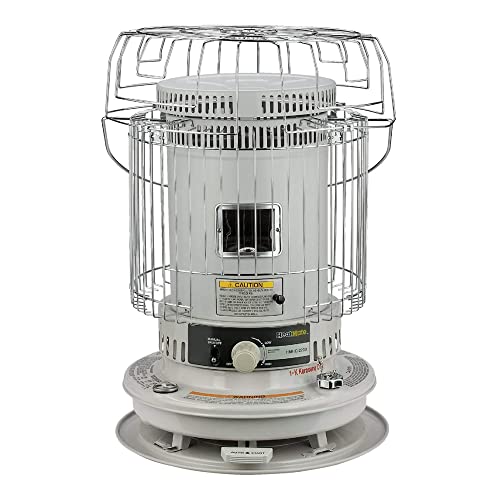
The Sengoku HeatMate kerosene heater delivers substantial BTU output—23,500 BTU—to heat large areas efficiently without electricity. It’s designed for indoor and outdoor use, making it suitable for basements, garages, and emergency heat scenarios. The unit emphasizes safety with protective grills and an automatic shut-off feature, ensuring safer operation in busy spaces or households with children or pets. Durable construction supports extended use in various settings.
Mr. Heater F232017 MH9BXRV Buddy
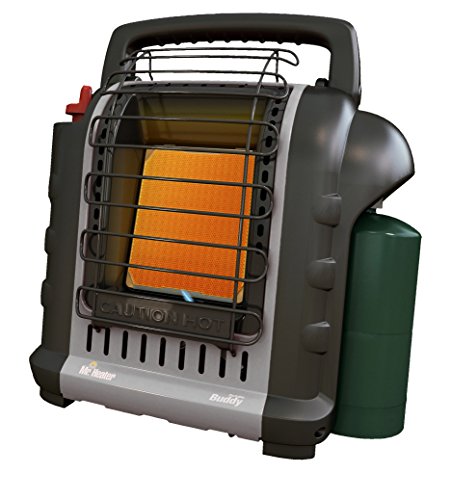
The Mr. Heater Buddy provides 4,000–9,000 BTU radiant heat suitable for RVs, small spaces, or portable applications. It is designed for indoor/outdoor use with safety features such as automatic shut-off under tipping or low-oxygen conditions. This compact, non-electric heater is easy to transport and operate, delivering flexible heat for travel, camping, or emergencies where electricity is unavailable.
Buying Guide: Key Considerations And Comparisons
- Fuel type and availability: Propane and kerosene are common for no-electricity heaters. Ensure readily available fuel and proper storage in your area. Fuel handling safety is essential—read manuals and follow storage guidelines.
- BTU output and space coverage: Higher BTU means larger heated areas. Match the heater’s BTU to the size of the space you intend to warm. Consider ceiling height and insulation, which affect heat retention.
- Portability and durability: For emergency prep or outdoor use, prioritize units with durable construction, handles, and tiltable heads for directed heat. Weight and footprint influence how easily you can transport and store them.
- Safety features: Look for tip-over switches, automatic shut-off, grill guards, and oxygen depletion sensors where applicable. Proper clearance from combustibles is critical to safe operation.
- Ventilation and indoor use: Many kerosene heaters require good ventilation to avoid buildup of fumes. Follow manufacturer guidelines and local regulations for indoor use and air quality considerations.
- Maintenance needs: Regular cleaning, wick replacement for kerosene units, and fuel quality influence performance and longevity. Verify maintenance requirements before purchase.
- Application scenarios: Propane units often excel in garages, workshops, and tents, while kerosene units can be favored for longer, continuous runs in basements or outdoor environments where electricity is scarce.
- Noise levels: Some units operate quietly, while others emit more sound due to fan components or combustion. If noise is a concern, review product specifications and customer feedback.
- Weather and climate suitability: For outdoor events or camping, consider weather resistance and stable performance in low temps. Ensure you have appropriate fuel storage for extended use.