Pellet stoves offer clean-burning heat, programmable operation, and reliable performance for mid-sized living spaces. This guide highlights five top options, including models with smart features, battery backups, and EPA credit eligibility. Each pick is evaluated on heat output, hopper capacity, ease of use, and advanced controls to help you choose a stove that fits your home and budget.
| Product | Brand | Approximate Heat Range | Key Feature |
|---|---|---|---|
| Castle 41278 Serenity Pellet Stove | Castle Pellet Stoves | 1,000–1,500 sq ft | Smart controller with weekly and eco modes |
| Cleveland Iron Works Bayfront Pellet Stove | Cleveland Iron Works | 1,800–2,500 sq ft | Built-in WiFi; EPA tax credit eligible |
| Canyon Lodge Bayfront Pellet Stove | Canyon Lodge | 1,800–2,500 sq ft | Built-in WiFi; tax credit eligible |
| Freedom Stoves Independence PS21 | Pellethead | 800–1,800 sq ft | Battery backup; Wi-Fi; high BTU options |
| Comfortbilt HP22 | Comfortbilt | Up to 2,800 sq ft | Large hopper; high heat output |
The selections below present a mix of classic reliability, modern connectivity, and energy efficiency. Each product section includes a concise overview, notable features, and practical considerations to help you compare options at a glance.
Castle Serenity Pellet Stove
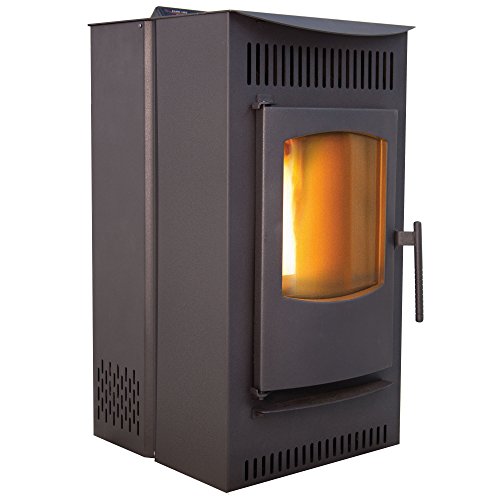
The Castle Serenity model emphasizes ease of cleaning and flexible operation. It features a straightforward manual mode alongside thermostat, weekly, and eco settings to automate heat output. Eco mode allows the stove to cycle on and off to maintain comfort with minimal energy use. With a 40 lb hopper capacity, users can heat a moderately sized area without frequent refills. The absence of complex tubes or hidden chambers makes maintenance simpler for typical household use.
Cleveland Iron Works Bayfront Pellet Stove
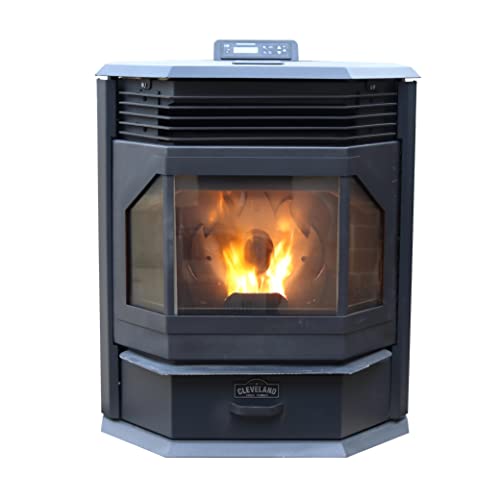
The Bayfront model from Cleveland Iron Works combines smart home features with robust heating capability. It’s designed to heat larger spaces (1800–2500 sq ft) and qualifies for EPA tax credits. Built-in WiFi enables remote monitoring and control, offering convenient adjustments from mobile devices. The combination of gateway connectivity and strong heat output makes this stove suitable for open floor plans and colder climates where steady heat is desirable.
Canyon Lodge Bayfront Pellet Stove

This Canyon Lodge Bayfront stove also targets large spaces, with similar 1,800–2,500 sq ft heating capability and built-in WiFi for smart control. It’s positioned to leverage a 30% tax credit and provides modern connectivity alongside efficient burn characteristics. The model balances heat output with ease of use, appealing to homeowners seeking networked control without sacrificing performance.
Freedom Stoves Independence PS21

The Independence PS21 blends versatility and resilience with features designed for longer runtime and power outages. Its 34,700 BTU capacity accommodates spacious rooms, and the battery backup supports over 40 hours of operation with two 12V batteries (sold separately). This model prioritizes reliability during outages while maintaining modern amenities like Wi-Fi connectivity, making it suitable for homes in areas with variable power availability.
Comfortbilt HP22 Pellet Stove
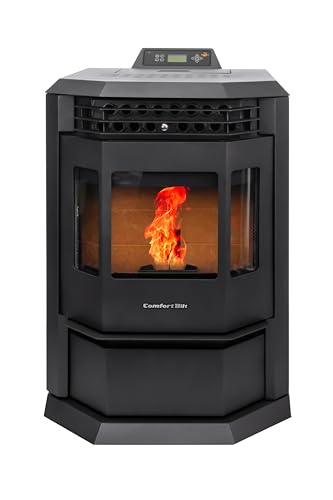
The HP22 from Comfortbilt is engineered for larger homes, with heating capability up to 2,800 sq ft and a sizable 55 lb hopper. It emphasizes a large viewing area and robust blower performance, designed to deliver strong warmth quickly. The note that the unit is not ventless highlights the need for proper venting. The HP22 is well-suited for users prioritizing high heat output and a broad burn area without frequent reloads.
Buying Guide: Key Considerations When Choosing a Pellet Stove
Heat area and efficiency: Match the stove’s heating capacity to your space. Larger rooms may benefit from stoves rated 1,800–2,500 sq ft or higher, while smaller areas can be comfortable with 1,000–1,500 sq ft units.
Fuel efficiency and hopper size: A bigger hopper reduces refueling frequency but check burn quality and ash management. Look for clean-burning certifications and easy-to-clean designs with minimal tubes and hidden chambers.
Controls and smart features: Programmable thermostats, weekly operation modes, and eco modes save energy. Built-in WiFi enables remote control and monitoring, which can improve convenience and efficiency, particularly in multi-room homes.
Power reliability: Battery backups and outage capabilities are valuable in regions with power instability. Models offering battery backup can maintain temperature during outages, reducing cold snaps.
Tax credits and incentives: Some stoves qualify for EPA tax credits or biomass credits. When eligible, these incentives can offset installation and purchase costs, but check local program specifics and expiration dates.
Ventilation and installation: Most pellet stoves require proper venting and clearances. Ensure your space accommodates a chimney or venting system and that installation complies with safety codes and manufacturer guidelines.
Maintenance and service: Choose models with easy cleaning access and widely available replacement parts. Read warranty terms and consider brand support networks for long-term service.