Choosing the right 220V baseboard heater and compatible thermostat can optimize comfort, energy use, and convenience. The following 5 products represent top options for American homes seeking reliable baseboard heat with 220V compatibility, smart features, and straightforward installation. The list includes programmable and smart thermostats plus high-output baseboards, designed to pair with 240V systems and related voltages. Review the quick summary table and then explore each product section for detailed specs and usage notes.
| Product | Brand | Voltage Range |
|---|---|---|
| Mysa Smart Thermostat LITE | Mysa | 120V-240V |
| meross Smart Thermostat | meross | 120V-240V |
| Cadet F Series 48″ 4F1000W | Cadet | 240/208V |
| Cadet F Series 72″ 6F1500W | Cadet | 240/208V |
| Cadet F Series 24″ 2F350W | Cadet | 240/208V |
Mysa LITE Line Voltage Thermostat Overview
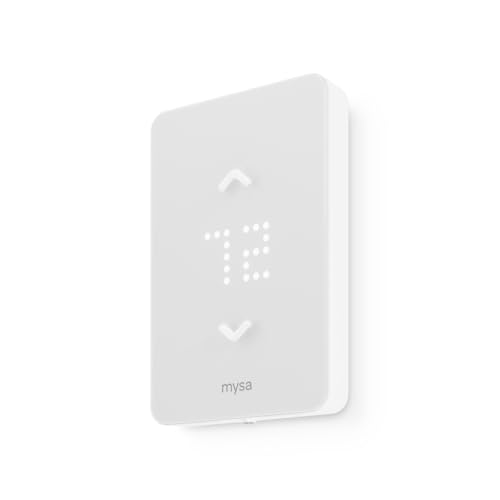
The Mysa Smart Thermostat LITE provides Wi-Fi connected control for line voltage electric baseboards, fan-forced heaters, and convectors. It supports 120V-240V systems and helps reduce heating costs with customizable daily schedules and away modes. The app includes remote control, energy reporting, and smart integrations, with no subscription fees. Installation is suitable for DIY setups and seamless integration with HomeKit, Alexa, and Google Assistant, depending on the existing wiring and baseboard configuration.
Honeywell Home RLV4305A1000 5-2 Day Programmable Thermostat

The Honeywell RLV4305A1000 is a 5-2 day programmable thermostat designed for electric baseboard heaters, convectors, and fan-forced units. It offers precise temperature control with accuracy within ±0.27°F and silent operation via TRIAC switching, helping reduce temperature swings. While not a smart Wi-Fi model, its reliability and familiar interface suit traditional setups where network connectivity is not required. It is compatible with 240V/208V systems commonly used in baseboard applications when wired appropriately.
Cadet F Series 48″ Electric Baseboard Heater 4F1000W
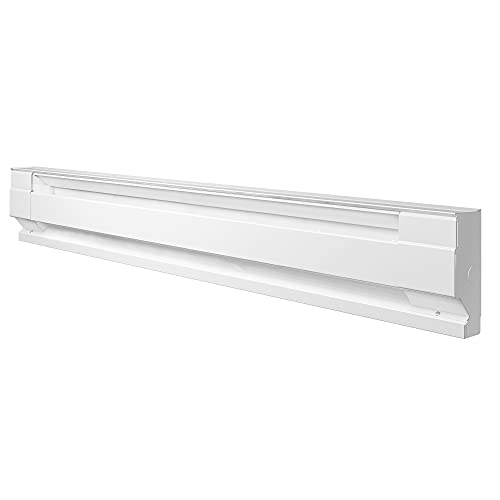
Cadet F Series 48″ baseboard heater delivers strong output for small-to-medium rooms, rated at 1000/750 watts and compatible with 240/208-volt supply. It features universal wiring and pre-punched knockouts for flexible installation on floors or walls. A built-in high-temperature safe-guard helps guard against overheating. The unit’s sturdy 25-gauge steel construction and powder-coated finish provide durability for long-term use in residential spaces.
Cadet F Series 72″ Electric Baseboard Heater 6F1500W

Cadet’s 72-inch baseboard model supports higher heating output with 1500/1125 watts at 240/208 volts. Like other Cadet F Series units, it uses 25-gauge steel and arrives with a junction box prepared for straightforward wiring. It is designed for durable operation in residential spaces, with a powder-coated finish and compatibility with standard thermostats for enhanced temperature control when paired with an appropriate high-voltage thermostat.
Cadet F Series 24″ Electric Baseboard Heater 2F350W
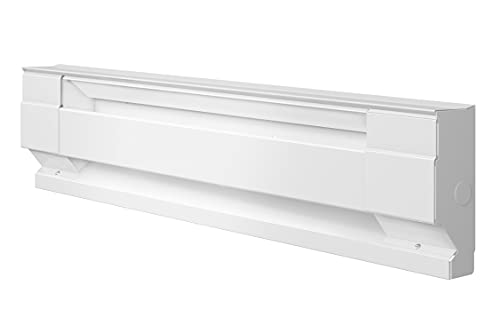
This Cadet 24-inch baseboard heater provides 350/262 watts of output at 240/208 volts, suitable for compact spaces or zone heating. The unit emphasizes simple installation with standard metal construction and powder-coated finish. It requires a compatible thermostat to operate, ensuring reliable temperature control in smaller rooms.
Buying Guide: Key Purchase Considerations
- Voltage compatibility: Ensure the baseboard heater and thermostat support your home’s voltage (240V or 208V commonly used in many regions, plus 120V options if applicable).
- Thermostat type: Decide between programmable, smart Wi-Fi, or mechanical thermostats. Smart models (like Mysa or meross) offer remote control, energy reports, and integrations but may require existing wiring and a stable Wi-Fi signal.
- Wiring and installation: High-voltage installations can require professional electrical work. Confirm wiring availability, 4-wire connections for some smart thermostats, and space for mounting consoles near the heater.
- Energy savings: Look for schedules, eco modes, and reporting features that help reduce runtime when space is unoccupied or temperatures can be lowered without sacrificing comfort.
- Safety and durability: Choose heaters with safety shutoffs and robust materials. For wall-mounted or floor-mounted units, verify mounting options, clearances, and compatibility with existing panels or enclosures.
- Warranty and support: Check manufacturer warranties, availability of replacement parts, and accessible customer support in case of wiring or firmware updates.
- Integration and voice control: If smart home integration matters, ensure compatibility with Apple HomeKit, Alexa, Google Assistant, or SmartThings, and verify the required hub or app for full features.
- Size and heating area: Match heater length and wattage to room size, insulation level, and climate. Larger or higher-wattage units may deliver faster heat but require appropriate electrical capacity.
These considerations help balance upfront installation complexity with long-term operating costs, ensuring a reliable 220V baseboard heating setup that aligns with household needs and smart-home ambitions.