When temperatures drop, a convection kerosene heater can provide steady warmth without relying on electrical power. These models move heated air with natural convection, delivering fast, even heat to living spaces, basements, garages, and outdoor shelters. This guide highlights top options that balance heating capacity, safety features, and fuel efficiency. We compare units from reputable brands and include practical buying tips to help you select a heater that fits your space and heating needs.
Summary of selected products:
| Product | Brand | Fuel Type | BTU | ||
|---|---|---|---|---|---|
| Dyna-Glo Indoor Kerosene Convection Heater WK95C8 | Dyna-Glo | Kerosene | 23,800 | Up to 1,000 sq. ft. | No electricity needed |
| Dyna-Glo WK11C8 Indoor Kerosene Convection Heater | Dyna-Glo | Kerosene | 10,500 | Up to 500 sq. ft. | No electricity needed |
| Dyna-Glo WK24BK 23,800 BTU Indoor Kerosene Convection Heater | Dyna-Glo | Kerosene | 23,800 | Up to 1,000 sq. ft. | No electricity needed |
| Dyna-Glo WK24WH 23,800 BTU Indoor Kerosene Convection Heater | Dyna-Glo | Kerosene | 23,800 | Up to 1,000 sq. ft. | No electricity needed |
| HeatMate 23,500 BTU Kerosene Heater (Sengoku) | HeatMate | Kerosene | 23,500 | Up to 1,000 sq. ft. | Indoor/outdoor versatility |
The products below reflect a focus on high BTU output, broad heating coverage, and safety features that enable operation in spaces with limited electrical service. Each entry provides a quick overview, key features, and a direct link to the product page for more details.
Dyna-Glo Indoor Kerosene Convection Heater WK95C8

The WK95C8 model from Dyna-Glo delivers robust warmth with 23,800 BTU per hour, capable of heating up to 1,000 square feet. It operates without electricity, making it suitable for power outages or remote cabins. Its convection design promotes even heat distribution, helping to reduce cold spots in large rooms. The unit’s fuel efficiency and steady output are ideal for long evenings in well-insulated spaces. Safety features include a stable base and protective grille. This heater fits mid-sized living areas where reliable no-electricity heating is valued.
Dyna-Glo WK11C8 Indoor Kerosene Convection Heater

The WK11C8 offers 10,500 BTU and heats up to 500 square feet, delivering reliable warmth in smaller living areas or as a supplementary heat source during cold snaps. Like other convection kerosene heaters, it requires no electricity to operate, supporting off-grid living or emergency preparedness. Its compact heat output is paired with practical fuel efficiency and straightforward operation. This model is well-suited for bedrooms, home offices, or compact apartments where quiet, dependable heat is preferred.
Dyna-Glo WK24BK 23,800 BTU Indoor Kerosene Heater
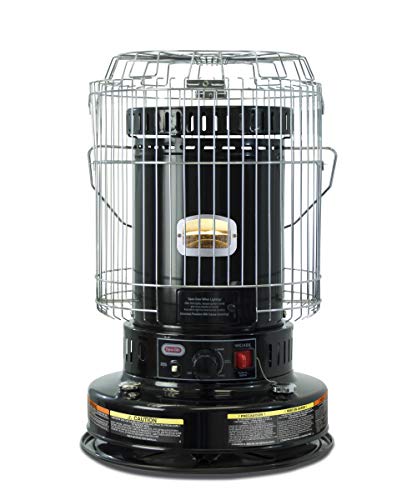
The WK24BK shares the same high output as the WK95C8, delivering 23,800 BTU to heat up to 1,000 square feet without electricity. This variant emphasizes a classic black finish and proven convection performance, making it a popular choice for larger living spaces, workshops, or cabins where a dependable, fuel-based heat source is essential. It combines ease of use with strong heat retention and predictable comfort during chilly days and nights.
Dyna-Glo WK24WH 23,800 BTU Indoor Kerosene Heater

The WK24WH mirrors the WK24BK in heating capability, offering 23,800 BTU to heat up to 1,000 square feet without the need for electricity. The white finish gives it a versatile aesthetic for various interior styles. As a convection heater, it distributes warmth evenly, reducing the sensation of concentrated hot zones. It is particularly suitable for larger rooms, basements, or garages where a reliable, non-electric heat source is desirable for extended periods.
HeatMate Sengoku 23,500 BTU Kerosene Heater (HMC-23K)
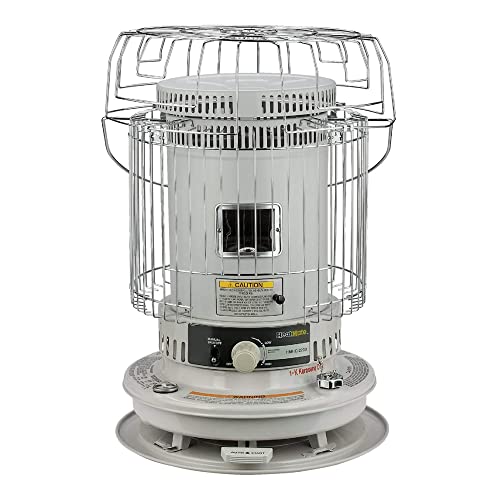
The HeatMate HMC-23K provides 23,500 BTU and heats spaces up to 1,000 square feet. It targets versatile indoor/outdoor use, making it suitable for homes, garages, or cabins that require a robust, non-electric heating option. The heater emphasizes safety with features such as automatic shut-off and a tip-over switch, alongside a guard grill for protection around pets and children. Its 1.9-gallon fuel capacity supports long operating times between fills, supporting extended heating sessions when grid power is unavailable.
Sengoku Indoor & Outdoor Kerosene Heater, Black

This Sengoku model offers 23,500 BTU with indoor/outdoor versatility, ideal for garages, basements, patios, and camping setups. It features a 1.9-gallon fuel reservoir for lengthy operation per fill and is designed for non-electric use, including a push-to-start mechanism and automatic safety shut-off. Aimed at flexible spaces that demand reliable warmth in varied environments, it addresses both emergency readiness and everyday extension heating in more challenging spaces.
Sengoku Indoor & Outdoor Kerosene Heater, White

The white Sengoku variant emphasizes portability and practical use across indoor and outdoor spaces. With 23,500 BTU and a 1.9-gallon tank, it can warm areas up to 900 square feet, offering up to around 12 hours of continuous heat per fill depending on conditions. It includes a push-to-start ignition, automatic safety shut-off, a tip-over switch, and safety grills, making it a viable option for garages, cabins, and outdoor cooking or gatherings where electricity is limited.
Buying Guide: Key Considerations for Convection Kerosene Heaters
- Heating capacity and space: Match BTU output to the square footage you need to heat. Larger spaces benefit from models around 20,000–24,000 BTU, while smaller rooms can use lower-output units.
- No-electricity operation: All models highlighted operate without power, but verify fuel availability and ventilation requirements for safe operation.
- Fuel efficiency and reservoir size: Look for larger fuel tanks (around 1.9 gallons) for longer burn times between fills and reduced maintenance.
- Safety features: Automatic shut-off, tip-over switches, and protective grills are critical for homes with kids or pets. Ensure the unit complies with applicable safety standards and has sturdy construction.
- Portability and versatility: Some models are suited for indoor spaces only, while others are effective outdoors or in garages. Consider handles, weight, and fuel transport ease if you need mobility.
- Ventilation and odor control: Kerosene heaters require proper ventilation to manage fumes. Choose models with features that minimize odor and monitor for any soot or smoke indicators.
- Maintenance: Regular cleaning of fuel lines, wick, and venting pathways helps maintain efficiency. Review the manufacturer’s maintenance recommendations before purchase.
- Environment and space priorities: If you need quiet operation for living areas, prioritize models known for steady, low-noise performance. If you require rugged use in garages or cabins, durability and safety become primary concerns.
- Warranty and support: Consider brands with clear warranty terms and accessible customer support. This is especially valuable for off-grid use where reliable service matters.
These options provide a spectrum of high-capacity, no-electricity kerosene heaters that support safe, off-grid warmth across American homes, workshops, and outdoor spaces. When selecting a model, assess room size, ventilation, anticipated duration of use, and how often you’ll need to move the heater. A well-chosen convection kerosene heater can deliver dependable warmth during power interruptions and in areas where centralized heating is insufficient.