Choosing the right RV air conditioner with a built-in heater means staying comfortable in both scorching summers and chilly winters on the road. This guide compares top models with heat pump capabilities, easy installation, and energy efficiency to help American RV owners pick the best fit for trailers, campers, and motorhomes.
The following table summarizes five leading options, focusing on cooling capacity, heating function, and key features to match different RV sizes and power setups.
| Product | Brand | BTU (Cooling) | Heater BTU |
|---|---|---|---|
| TOSOT 16000 BTU GO Cool | TOSOT | 16,000 | 12,500 |
| RV Air Conditioner 12V 10000 BTU | outequip | 10,000 | 4,500 |
| RecPro 15K Ducted/Non-Ducted | RecPro | 15,000 | Heat Pump Included |
| TURBRO 10,000 BTU Under-Bench | TURBRO | 10,000 | 9,500 |
| RecPro 15K Non-Ducted | RecPro | 15,000 | Heat Pump Included |
TOSOT 16000 BTU Go Cool Review

The TOSOT GoCool 16,000 BTU model combines robust cooling with a heat pump, designed for RVs up to 600 sq ft. It supports outdoor temperatures from 23°F to 115°F and indoor range settings between 61°F and 86°F. Smart WiFi control via the Gree+ app enables remote adjustments, while a bundled remote control provides conventional operation. The unit is suitable for mid-sized RVs and trailers, and its 16,000 BTU capacity supports cooler climates or larger interiors.
12V 10000 BTU RV AC With Heater

This 10,000 BTU rooftop AC delivers rapid cooling in RVs, trucks, and campers and includes a 4,500 BTU PTC heater for auxiliary warmth. It’s built with UV-stabilized ABS and weather-resistant components to withstand outdoor use, though the heater is intended for mild scenarios rather than extreme cold. Ideal for compact to mid-sized rigs seeking a power-efficient, quick-cooling solution with a supplemental heat option.
RecPro 15K Ducted/Non-Ducted Unit

RecPro’s 15K unit supports both ducted and non-ducted configurations, offering low amp draw for off-grid setups and quiet operation at about 55.4 dB. It features UV-resistant materials and a streamlined design for broad compatibility across campers, fifth wheels, and food trucks. This unit emphasizes energy efficiency and a balance of performance and durability for varied travel environments.
TURBRO 10K Under-Bench With Heat Pump
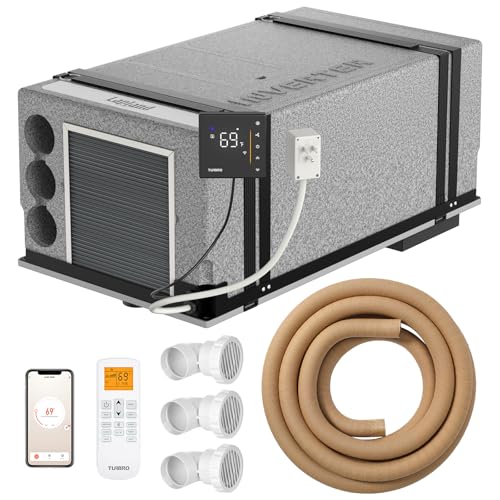
The TURBRO Lapland LL10V is a compact under-bench unit delivering 10,000 BTU cooling and 9,500 BTU heating. Its inverter-driven compressor improves energy efficiency and reduces start-up noise. The installation under cabinets or sofas frees rooftop space for solar or cargo and is suited for smaller RVs prioritizing interior space and efficiency.
RecPro 15K Non-Ducted Quiet Unit

This RecPro model emphasizes ultra-quiet operation—about 55.4 dB—to reduce ambient cabin noise while maintaining strong cooling and heat pump capability. Its low amp draw enhances compatibility with off-grid systems, solar, or generators, and its rugged, UV-resistant exterior withstands travel wear. It’s a strong option for campers seeking quiet comfort without sacrificing performance.
Buying Guide: Key Purchase Considerations
- Rooftop vs. under-bench installations: Roof-mounted units offer high cooling capacity and broad air distribution but require roof space and potentially more complex installation. Under-bench or compact units save roof space and may suit small RVs or rigs with limited rooftop headroom.
- BTU balance and space: Match cooling BTU to RV size and insulation. Overbuilding may waste energy; under-sizing reduces comfort. Heaters with BTU ratings help extend comfortable use into shoulder seasons.
- Heat pump efficiency: Heat pumps provide efficient heating at moderate outdoor temperatures. Consider units with a wide operating temperature range to cover varying climates and travel plans.
- Energy efficiency and power draw: Look for inverter or variable-speed compressors, low amp draw, and compatibility with solar or generator setups for off-grid travel.
- Smart controls and connectivity: WiFi-enabled models let you monitor and adjust settings remotely, which is convenient for managing comfort before returning to the RV.
- Durability and weather resistance: UV-stable plastics, robust condensers, and gasket sealing help units withstand travel and outdoor exposure across seasons.
- Noise levels: Quiet operation enhances living comfort, especially for night use. Compare decibel ratings when selecting a model for bedrooms and living areas.
- Installation flexibility: Check compatibility with existing ductwork or whether the unit is designed for ducted or non-ducted configurations, including whether it supports all-in-one solutions.
- Brand and support: Choose reputable brands with accessible customer support, replacement parts, and warranty coverage suitable for frequent RV travel.
- Maintenance needs: Drainage, filter cleaning, and occasional service requirements vary by model. Prefer units with straightforward maintenance to maximize uptime on trips.
Overall, selecting the best RV air conditioner with a heater depends on RV size, climate, preferred installation style, and available power resources. The options listed here cover a range of configurations—from rooftop heat pump models to compact under-bench units—allowing travelers to optimize comfort while managing energy usage on the road.