On-demand heaters deliver hot water instantly without a storage tank. This guide highlights five top options suited for American homes, apartments, RVs, and point-of-use needs. Each model varies in capacity, energy source, and installation requirements. Read on to compare flow rates, efficiency, and key features to find the right fit for your hot water demands.
| Product | Brand | Key Benefit |
|---|---|---|
| Orbek 14kW Tankless Water Heater | Orbek | High flow, 3.38 GPM, 240V, LED display |
| Nessxa 1.8 Gallon Mini Tank | Nessxa | Instant hot water at sink, compact under-sink unit |
| Ranein 2025 GEN II Propane Gas Tankless | Ranein | Up to 3.6 GPM, 80,000 BTU, stable temperature |
| APUS Propane Tankless Water Heater | APUS | 4.42 GPM, 95,000 BTU, smart digital display |
| 2025 GEN II Ranein Propane Tankless | Ranein | Max 4.3 GPM, 100,000 BTU, multiple smart modes |
Orbek 14kW Tankless Water Heater

Orbek’s 14kW electric tankless unit operates on 240V and delivers up to 3.38 GPM. It requires a 240V/60A two-pole breaker, a 6 AWG wire, and 1/2″ NPT water connections. The model emphasizes water-electricity separation to reduce scale and corrosion, offering rapid hot water in about 3 seconds. Energy efficiency is a focus, with potential electricity savings over traditional tank heaters when used for two to three points of use simultaneously. User-friendly LED display supports temperature adjustments and diagnostics.
Nessxa 1.8 Gallon Mini Tank Water Heater

This 1.8-gallon under-sink unit provides 24-hour instant hot water at the tap. It features a compact tank and an adjustable thermostat, with a temperature range of 77°F to 176°F. The exterior is ABS with a stainless steel interior, promoting water-electrical separation for safety. The design supports easy wall or floor mounting under sinks or counters, enabling quick setup for kitchens and bathrooms. It emphasizes energy savings through standby modes when water is cool, and dynamically heated water when demand rises.
2025 GEN II Ranein Propane Gas Tankless Water Heater
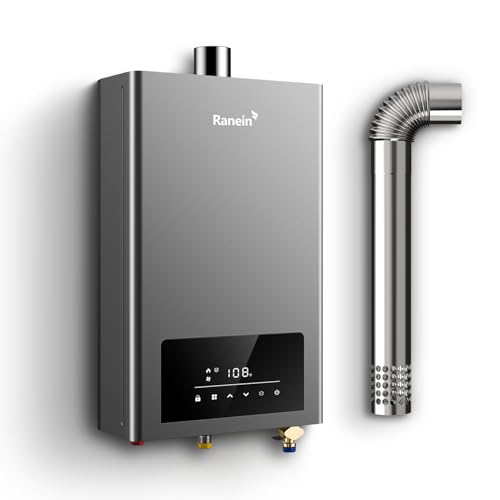
With up to 3.6 GPM and 80,000 BTU, this indoor propane unit serves 2-3 taps reliably. It emphasizes stable temperature with advanced tech to prevent shocks during showers. The GEN II model targets efficient on-demand operation, reducing standby energy waste compared with tank heaters. It suits homes that rely on propane and seek consistent hot water for multiple fixtures without long waits or fluctuating temperatures.
APUS Tankless Water Heater Propane Gas
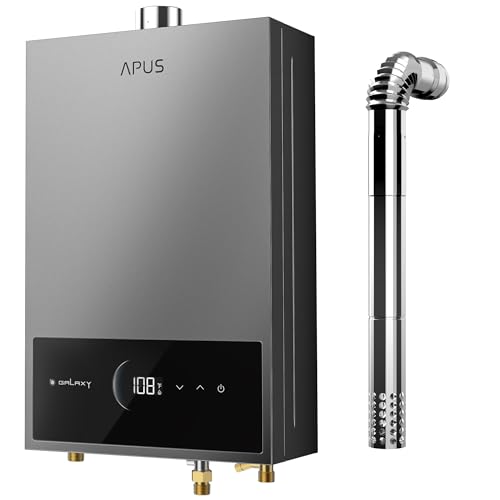
APUS offers a high-capacity propane tankless heater with 95,000 BTU and 4.42 GPM flow. It features smart digital display and precise control, enabling temperatures from 95°F to 140°F with ±1°F stability. The unit emphasizes steady temperatures and energy efficiency, leveraging segmented combustion and oxygen-free copper heat exchangers to improve performance and reduce energy use. It targets households with simultaneous hot water needs across showers and sinks while maintaining comfort during peak usage.
2025 GEN II Ranein Propane Tankless Water Heater

This 4.3 GPM, 100,000 BTU gas tankless heater is designed for 2-3 taps and features an LED temperature control panel. It maintains stable water temperature automatically and adapts to varying inlet conditions. The device highlights multiple smart modes, including seasonal adjustments and kitchen or bath-oriented presets, to match daily routines. It aims to deliver consistent hot water for family use while optimizing gas consumption and temperature consistency across different fixtures.
Buying Guide
- Flow rate and temperature: Match GPM and BTU ratings to your peak hot-water needs. For two or three simultaneous uses, aim for models in the 3–4 GPM range or higher.
- Fuel source: Electric models keep installation simple but may require substantial electrical service. Gas/propane units offer strong performance but need venting and proper gas supply.
- Electrical and gas requirements: Verify breaker size, wire gauge, and gas line needs. Some units demand dedicated circuits or ventilation considerations for safety and efficiency.
- Temperature stability: Look for models with advanced sensors or auto-adjust features to prevent temperature swings during peak usage.
- Ventilation and clearance: Gas models typically require proper venting and clearance; electric units generally have fewer venting needs but still require proper installation space.
- Installation location: Point-of-use under sinks or in RVs can reduce water waste. Consider space, accessibility, and mounting options when selecting a model.
- Safety features: Leakage protection, dry-fire protection, and high-temperature protection are important for reliable operation and user safety.
- Maintenance and warranty: Review service availability and warranty terms. Some brands offer parts kits or remote monitoring options for convenience.
- Certifications: ETL, CSA, and other safety certifications indicate compliance with recognized standards and provide buyer assurance.
- Cost of ownership: Evaluate initial cost, expected energy savings, and potential installation expenses to estimate long-term value.