If you’re seeking reliable heat during power outages, in poorly insulated spaces, or for temporary space heating, a 10,000 BTU kerosene heater can offer steady warmth without electricity. This guide highlights top options, compares features, and explains key considerations to help you pick a model that fits American homes and garages alike.
Summary Table Of Chosen Products
| Product | Brand | BTU | Fuel Capacity | Best For |
|---|---|---|---|---|
| Sengoku Indoor & Outdoor Kerosene Heater, 10,000 BTU, White | KeroHeat | 10,000 | 1.2 gal | Indoor/Outdoor use, compact portability |
| Dyna-Glo RMC-55R7 Indoor Kerosene Radiant Heater, Ivory | Dyna-Glo | 10,000 | — | Room heating up to 500 sq ft, no electricity |
| Sengoku HeatMate 110, 10,000 BTU | HeatMate | 10,000 | 1.2 gal | Portable heat, quick setup |
| AHUAWA 10,000 BTU Kerosene Heater | AHUAWA | 8,000–10,000 | 1.35 gal | Emergency heater, no electricity |
| Dyna-Glo WK95C8 Indoor Kerosene Convection Heater | Dyna-Glo | 23,800 | — | Convection heating, larger spaces |
Sengoku Indoor & Outdoor Kerosene Heater, 10,000 BTU

The Sengoku CTN-110 offers 10,000 BTU of heat suitable for spaces up to about 400 square feet. It is designed for both indoor and outdoor use, delivering extended run times on a 1.2-gallon fuel tank. Built-in safety features include an automatic shut-off and a tip-over switch, plus a protective grill to help keep children and pets safe around the heater.
Key features include versatility for emergencies, camping, or garage heating, and a portable footprint that makes it easy to move between rooms. It is a non-electric option, relying on kerosene fuel rather than electrical power, which can be advantageous during outages or in off-grid settings.
Dyna-Glo RMC-55R7 Indoor Kerosene Radiant Heater, Ivory

This model delivers 10,000 BTU of radiant heat to warm spaces up to 500 square feet without needing electricity. It is designed to operate independently of electrical power, making it a solid option for backup heating in smaller to mid-sized rooms, workshops, or garages. The Ivory finish adds a neutral look that blends with many decors or workspaces.
Expect straightforward operation and reliable heat output, with emphasis on safe, non-electric operation. It’s a practical choice for homeowners who want a simple, no-outage heat source during cold seasons.
Sengoku HeatMate 110, 10,000 BTU

The HeatMate 110 is a compact, portable kerosene heater with a 1.2-gallon tank that can run for up to 14 hours. It is designed for indoor and outdoor use and includes automatic safety shut-off plus a user-friendly push-button start. Its portability makes it suitable for intermittent spaces such as basements, workshops, or tents during camping trips.
With robust safety features and easy setup, it provides dependable warmth for extended periods. The unit emphasizes practical, accessible heating where electrical power is not available.
AHUAWA 10,000 BTU Kerosene Heater

This kerosene heater model covers 8,000–10,000 BTU and can warm spaces up to 200–350 square feet. It uses a 1.35-gallon tank to provide 15–21 hours of continuous heat on a single fill. A complete accessory set simplifies use, including storage bag and extra wicks. It’s designed as a reliable emergency heat source that can operate without electricity, making it suitable for windy, storm-prone regions or homes with frequent outages.
Considerations for AHUAWA include fuel efficiency, included accessories, and a capacity that suits medium rooms or workshops. It provides a solid option for preparedness without complex installation.
Dyna-Glo RMC-55R7B Indoor Kerosene Radiant Heater, 10000 BTU

This black variant of the 10,000 BTU indoor kerosene heater claims similar performance — heating up to 500 square feet without electricity. It emphasizes a straightforward, no-fuss heating solution for rooms, studios, or small workshops where electrical power may be unavailable or impractical.
Key considerations include heat output stability, ease of lighting, and safety features that help prevent accidental activation. It serves as a dependable everyday-economy option for off-grid heating needs.
Sengoku Indoor & Outdoor Portable Kerosene Heater, 23,500 BTU
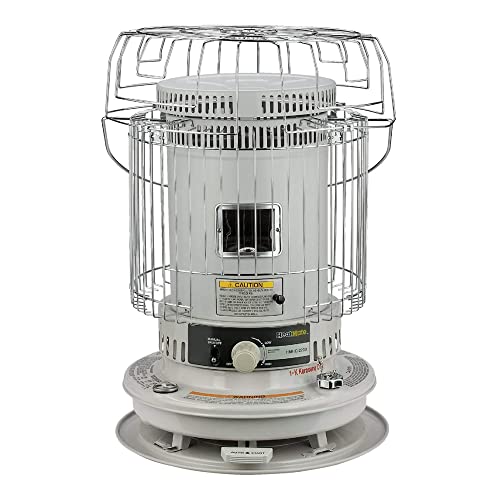
The HeatMate 23K model provides significantly higher heat output for larger spaces, offering up to 1,000 square feet. Its 1.9-gallon tank supports longer burn times, and multiple safety features include auto shut-off, tip-over protection, and protective grills. It’s suitable for garages, large rooms, or outdoor setups where sustained warmth is essential.
While larger, this unit remains portable and user-friendly, enabling flexible placements across property types. It represents a robust option when you need substantial heat in bigger areas without relying on electric power.
Buying Guide: Key Purchase Considerations
Understand the space and BTU needs
Calculate the target area to heat. A 10,000 BTU unit typically handles roughly 400–500 square feet for well-insulated spaces, but this varies with ceiling height, insulation, and outdoor exposure. Larger or poorly insulated spaces may benefit from higher BTU models or multiple units.
Fuel capacity and run time
Fuel capacity directly affects how long a heater can run between fills. Models in this guide range from about 1.2 to 1.9 gallons, offering extended operation for emergencies or continuous use in workshops. Consider how often you’re able to refill and whether you want longer, uninterrupted warmth.
Safety features
Look for automatic shut-off, tip-over switches, safety grills, and non-slip bases. These features reduce risk around children and pets and provide peace of mind in busy homes or garages. Always follow manufacturer guidelines for safe operation and storage of kerosene.
Portability and setup
Portability matters for spaces you heat in shifts or for multi-room use. Compact models with carrying handles are beneficial for quick relocation, while heavier units may be more stable for stationary use. Push-button ignition can simplify setup, especially in cold conditions.
Gasoline vs kerosene considerations
Kerosene heaters are popular for non-electric operation, but fuel quality and storage impact performance and safety. Ensure you purchase kerosene labeled for indoor use in containers designed for fuel storage. Maintain proper ventilation and avoid indoor use in a poorly ventilated room to minimize fumes.
Build quality and warranty
Durability matters for long-term reliability. Review material quality, the availability of replacement parts, and the manufacturer’s warranty. Reputable brands often provide extended support for maintenance and repair needs.
Cost of ownership
Consider initial purchase price, fuel costs, and maintenance supplies like wicks or additives. While electric heaters can be cheaper to operate in some scenarios, kerosene models offer independence from electrical outages and can be more cost-effective in certain climates.
In summary, select a model that matches your space size, ensures critical safety features, and aligns with how you plan to use it—emergency preparedness, a workshop heat source, or a portable solution for occasional use. Each listed option delivers 10,000 BTU or close variants with different fuel capacities and design focuses, letting you balance heat output, duration, and convenience to suit American homes and garages.