Finding the right patio heater can extend outdoor living well into cooler evenings. This guide highlights five top picks that balance heat output, safety, and portability, helping you choose a model that fits your space and comfort needs. Below you’ll find concise product insights, a quick comparison table, and key buying considerations to compare options side by side.
| Product | Type | BTU / Heat Range | Best For |
|---|---|---|---|
| Cuisinart Portable Tabletop Patio Heater | Propane | 11,000 BTU; up to 30 sq ft | Tabletop use, small patios |
| Amazon Basics 46,000 BTU Patio Heater with Wheels | Propane | 46,000 BTU; up to ~18 ft diameter | Large patios, cafés, outdoor dining |
| EAST OAK 50,000 BTU Patio Heater | Propane | 50,000 BTU; up to 18 ft diameter | Durable, heavy-use spaces |
| HETRAROOT 42INCH Outdoor Heater | Electric Infrared | 1500W; 9 heat levels | Electric setup, flexible placement |
| DR Infrared Heater DR-238 | Electric Infrared | 900W-1500W; multiple settings | Garages, decks, indoor/outdoor versatility |
Each option below is evaluated for heat output, portability, safety features, and installation needs, so you can pick a model that delivers reliable warmth without fuss.
Cuisinart Portable Tabletop Patio Heater
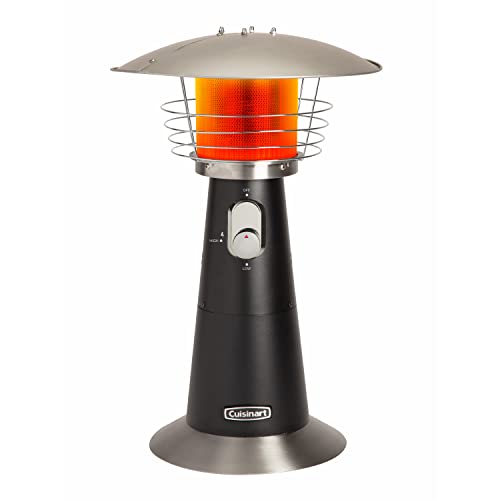
11,000 BTUs provide steady warmth for small outdoor areas up to about 30 square feet. The reflector top plate helps distribute heat evenly, maximizing usable warmth without overheating localized spots. A built-in anti-tilt automatic shut-off and a burner screen guard enhance safety in diverse outdoor setups. Its lightweight, compact design makes it a portable option for tabletops, camping trips, and tailgates, offering quick warmth when you need it most.
Amazon Basics 46,000 BTU Outdoor Patio Heater with Wheels

This model delivers substantial warmth with 46,000 BTUs designed to cover a larger outdoor radius. An adjustable temperature knob lets you dial in comfort, while one-touch ignition and wheels make setup and relocation effortless. It’s well-suited for patios, cafes, or home backyards where guests gather and linger. The unit is ideal for year round use in broader outdoor spaces, capable of handling breezier evenings with steady heat output.
EAST OAK 50,000 BTU Patio Heater
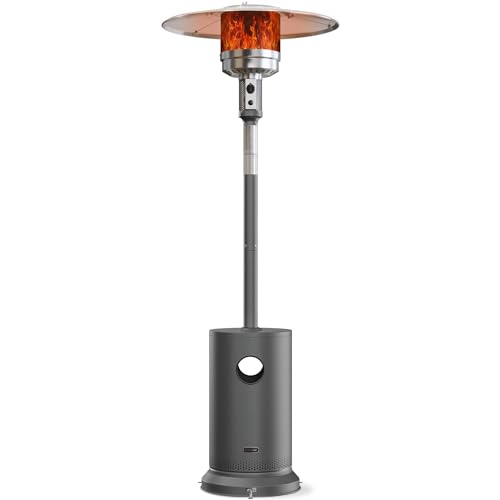
With 50,000 BTUs, this heater can project warmth across up to an 18-foot diameter. The double-layer stainless steel mesh design enhances durability and safety, and the device is ETL certified for outdoor or commercial use. Wheels enable smooth movement, and assembly steps are streamlined with pre-assembled components. This model is designed for more permanent backyard setups or restaurant patios requiring robust, reliable heat on cool evenings.
HETRAROOT 42INCH Outdoor Electric Heater

This electric 42-inch heater uses infrared technology to deliver quick warmth across a broad 100-degree heating range. It supports up to 300 square feet and includes 9 heat settings plus a timer for up to 9 hours. Its adjustable heat and timer controls make it a flexible option for covered patios, decks, or garages where gas models aren’t suitable, while maintaining energy efficiency through precise heat distribution.
DR Infrared Heater DR-238
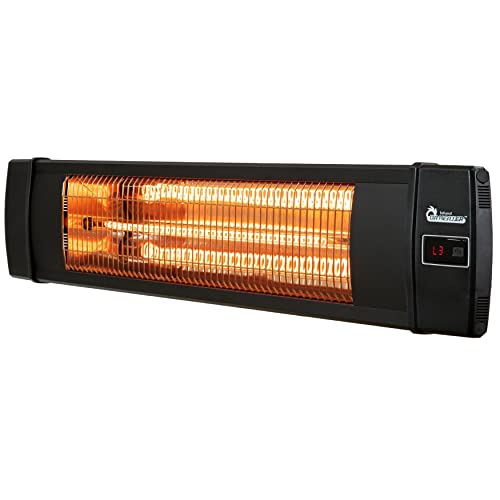
This unit combines indoor and outdoor usability with IP55-rated weather resistance. It provides clean infrared heat across three power settings (900W, 1200W, 1500W) and uses a standard 120V supply. Remote control adds convenience for adjusting heat from across the patio or living room, offering a sanitary and odorless heating option ideal for spaces that blend indoor and outdoor use.
Buying Guide: Key Purchase Considerations
Choosing the right patio heater involves balancing heat output, space, and safety. Consider whether you prefer gas or electric models, as gas units deliver higher BTUs for larger areas, while electric heaters offer quieter operation and straightforward placement.
Coverage area is crucial; larger patios typically require higher BTUs or multiple units to avoid cold zones. Look for features like tilt switches, flame guards, and stable bases to reduce tipping risk. If portability matters, prioritize models with wheels or compact designs that are easy to move between spaces.
Durability and weather resistance influence long-term enjoyment. Outdoor-only units should have weatherproof fittings and durable materials like stainless steel. For covered or semi-outdoor spaces, ensure the heater is rated for the intended environment, not just indoor use.
Operating costs and energy efficiency vary by design. Infrared electric heaters heat objects and people directly, which can be more efficient in intermittent use. Propane units provide continuous heat without electricity but require fuel management and proper ventilation for safety. Compare total runtime expectations against your usage patterns to estimate ongoing costs.
Safety remains paramount. Choose units with automatic shut-off features for tilt or tip-overs, protective grills over the burner area, and stability against gusts. For diners and families, a heater with a balanced base and secure connection reduces accidental tip hazards.
Finally, installation flexibility matters. Tabletop and compact models suit small spaces, while freestanding units with wheels fit larger decks and patios. Some heaters are designed for commercial settings and offer robust construction suitable for frequent outdoor use, while others are better for occasional weekend gatherings. Align the model with your space, typical guest count, and climate for optimal comfort.