Choosing a reliable wall thermostat for baseboard heaters ensures steady comfort, energy savings, and simple installation. This guide compares five well-regarded high-voltage options designed for 120V and 240V baseboard systems, including smart Wi‑Fi models and straightforward mechanical units. Each product highlighted offers distinct advantages, from programmable schedules to hands-off manual control. Read on to find the best fit for your baseboard setup and home automation preferences.
Summary of selected products:
| Product | Brand | Type | Key Benefit |
|---|---|---|---|
| Mysa Smart Thermostat LITE | Mysa | Smart Wi‑Fi | App control, HomeKit/Alexa/Google, energy reports |
| Honeywell Home CT410B | Honeywell Home | Manual Line-Voltage | Simple, reliable 120-240V control |
| Cadet F Series BTF2W | Cadet | Double Pole Mechanical | Easy twist-dial adjustment |
| meross Smart Thermostat | meross | Smart 4-Wire, 120-240V | Smart integrations, energy saving |
| YeloDeer 240V 4-Wire Manual | YeloDeer | Manual Line-Voltage | Stylish, accurate 240V control |
Mysa LITE: Smart Control For Baseboard Heaters
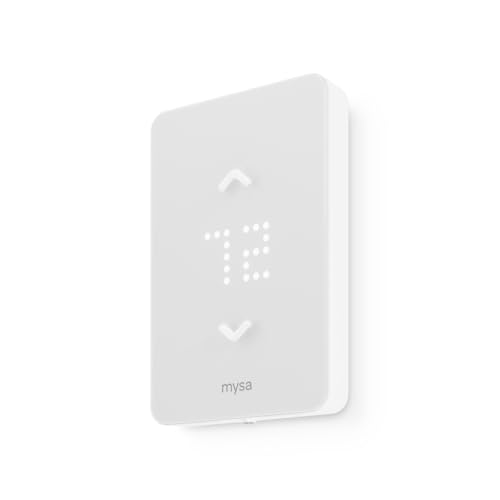
The Mysa Smart Thermostat LITE provides Wi‑Fi control for line-voltage baseboard heaters and similar electric heating units at 120V or 240V. It enables remote operation via a free app, plus scheduling to optimize daily comfort and energy use. The device supports smart ecosystems, including Apple HomeKit, Alexa, and Google Assistant, with no subscription fees. Key features include per-day scheduling, away-mode reductions, and energy usage insights, all accessible without ongoing costs. The installer experience is designed for DIY setups on compatible baseboard configurations.
Considerations: This model excels for homes with modern smart-home automation. It requires a compatible line-voltage wiring configuration and a 4-wire connection for full smart features. Users should verify wiring compatibility and ensure 120V/240V support matches their baseboard hardware. The energy reports and scheduling can contribute meaningful savings when schedules align with occupancy patterns. If you want app-based control and voice integration, Mysa LITE is a top choice among high-voltage thermostats.
Honeywell Home CT410B Manual 4 Wire
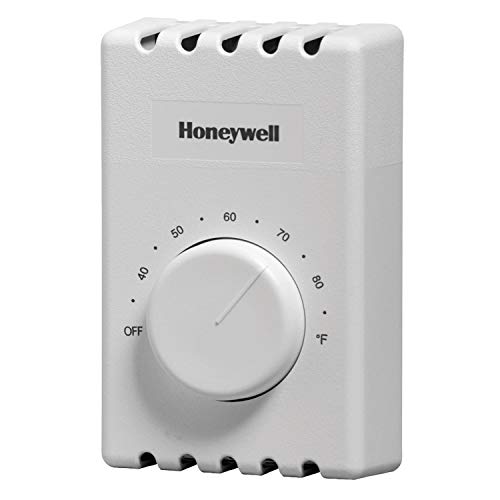
The Honeywell CT410B is a manual, non-programmable line-voltage thermostat designed for 120-240V electric baseboards, convectors, and compatible heaters. Its bimetal temperature sensor provides straightforward operation and dependable performance without smart features or subscriptions. The CT410B is built for reliability in baseboard or wall-mounted applications and allows simple temperature adjustments with a large dial. It’s a practical choice for users who prefer a durable, maintenance-free control method with minimal setup.
Considerations: This model emphasizes simplicity and reliability over smart features. It suits homes that do not require remote control or automated scheduling. Installation should accommodate a four-wire connection typical of line-voltage systems. If you want a robust, budget-friendly mechanical option with easy replacement for older thermostats, the CT410B is a solid pick for 120V–240V baseboards.
Cadet F Series BTF2W Double Pole

The Cadet F Series BTF2W thermostat is a double-pole, line-voltage control designed to work with Cadet baseboard heaters (sold separately). It features a broad temperature range (45º–80ºF / 7º–27ºC) and a large, easy-to-use twist dial. The installation is straightforward, compatible with end mounting on Cadet baseboards, and designed to eliminate extra wiring complexity. This unit provides reliable on/off control with straightforward manual adjustment, making it a traditional choice for baseboard installations.
Considerations: Cadet’s BTF2W is best for users who want solid mechanical control on Cadet systems. It is not a universal replacement for all baseboard configurations; compatibility with Cadet F series heaters is essential. The 22-amp rating supports common residential baseboard needs, but electricians should confirm wiring and mounting specifics match the heater model. For a dependable, no-frills manual option, the Cadet BTF2W remains a respected choice.
Meross Smart Thermostat For Electric Baseboard

The meross Smart Thermostat targets high-voltage electric baseboard and in-wall heaters, with support for 120V–240V systems and four-wire installations. It offers app-based control, energy-saving features, and voice compatibility with Apple HomeKit, Alexa, Google Home, and SmartThings. The device supports remote scheduling and temperature management, with clear installation guidelines that emphasize a 4-wire electrical box setup for reliable performance. It is a practical option for households enabling smart-home routines across rooms and zones.
Considerations: Ensure your wiring configuration aligns with the four-wire requirement and that a compatible high-voltage system is present. The meross thermostat delivers robust smart features but requires compatible hubs and voice assistants for full functionality. If you want to integrate a baseboard thermostat into an existing smart ecosystem, meross provides strong support and straightforward installation.
YeloDeer 240V Four-Wire Manual Thermostat
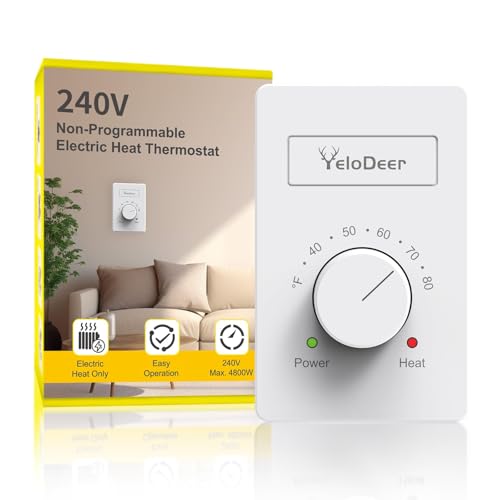
The YeloDeer 240V four-wire manual thermostat provides a clean, modern look and a wide 40°F–80°F (4.4°C–26.7°C) control range. Its flush design and large knob simplify temperature adjustments, while compatibility with 240V baseboard heaters makes it a practical upgrade for older installations. The device emphasizes precise temperature control and a streamlined appearance that can blend with contemporary interiors.
Considerations: This model is best for users who want a stylish, straightforward manual solution for 240V systems. It requires proper wiring and space for a 4-wire installation. If you’re replacing an older thermostat and prefer a mid-range manual option with a modern aesthetic, YeloDeer offers a compelling balance of form and function.
Buying Guide: Key Purchase Considerations For Baseboard Thermostats
System compatibility: Confirm your baseboard heater voltage (120V vs 240V) and wiring type (4-wire vs older configurations). Some thermostats are designed specifically for Cadet, while others support a broad range of high-voltage setups. Be sure the model matches your heater and electrical box dimensions.
Smart features vs. manual control: Decide whether you want remote control, scheduling, and energy analytics. Smart thermostats (Mysa, meross) enable room-by-room programming, voice control, and energy insights, which can yield savings and convenience. Manual models (CT410B, BTF2W, YeloDeer) prioritize reliability and simplicity with no connectivity requirements.
Installation and compatibility: DIY installation is common, but check that your wiring, mounting options, and wall depth fit the chosen unit. Some models require 4-wire connections and may need a compatible faceplate or end-mount accessories. If unsure, consult a licensed electrician for safety and proper function.
Energy savings and reporting: If reducing heating costs is a goal, pursue thermostats with scheduling, adaptive heating, and energy usage reports. Smart models tend to offer these features, enabling better commissioning and occupancy-based control.
Smart home integration: For users with voice assistants, consider compatibility with Apple HomeKit, Amazon Alexa, Google Assistant, or SmartThings. Integration allows voice temperature changes, convenience routines, and centralized control within existing ecosystems.
Durability and warranty: Line-voltage thermostats handle significant electrical loads. Look for devices with robust construction, thermal protection, and manufacturer warranties that reflect long-term reliability in residential settings.
Resetting and maintenance: Some mechanical units offer minimal maintenance, while smart devices may require occasional app updates or firmware checks. Consider ease of troubleshooting and customer support quality when evaluating options.