Find reliable heating for large spaces, outdoor patios, workshops, and commercial settings with these top performers. This guide covers propane, electric forced-air, and ceiling-mount options to help you compare heat output, durability, and installation needs.
| Product | Type | Approx. BTU/Power | Best For |
|---|---|---|---|
| Amazon Basics 46,000 BTU Outdoor Propane Patio Heater | Propane Patio Heater | 46,000 BTU | Outdoor patios and cafes |
| EAST OAK 50,000 BTU Patio Heater | Propane Patio Heater | 50,000 BTU | Outdoor commercial spaces |
| Dr. Infrared Heater DR-966 | Electric Shop/Garage Heater | 3,000/6,000 W (Hardwired) | Indoor workshops and garages |
| Comfort Zone 10,000W Hard-Wired Garage Heater | Electric Ceiling/Mounted Heater | 10,000 W | Industrial spaces and large rooms |
| Dura Heat EUH1465 Electric Forced Air Heater | Electric Forced Air | 5,120 BTU (approx. 1,500 W) | Small to medium spaces, versatile use |
Amazon Basics Outdoor Propane Patio Heater

The Amazon Basics 46,000 BTU Outdoor Propane Patio Heater is designed for expansive outdoor spaces such as cafes, restaurants, and home patios. It delivers a broad heat radius, helping to extend outdoor seating seasons in cooler climates. The unit features one-touch ignition for quick startups and wheels for easy repositioning, making it practical for spaces that require flexible heat placement. With a large burn capacity, this heater can maintain comfort for patrons and staff in open-air settings. The adjustable temperature knob lets operators fine-tune warmth to match weather conditions and guest comfort preferences. When selecting this heater, consider wind exposure and propane availability to optimize performance and safety in commercial outdoor areas.
EAST OAK 50,000 BTU Patio Heater
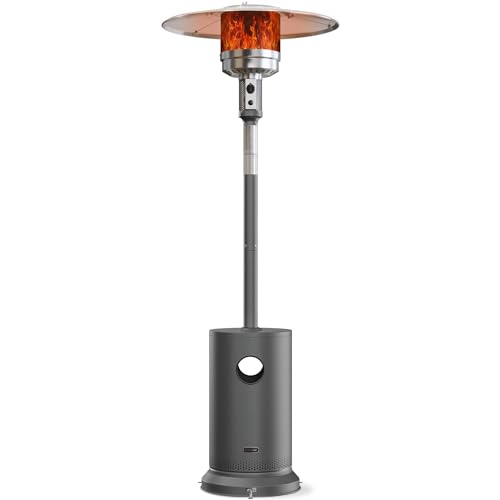
The EAST OAK outdoor heater provides substantial warmth for large outdoor areas with 50,000 BTU output and an 18-foot heat radius. The design emphasizes durability through a double-layer stainless steel heating mesh, which enhances safety and prolongs service life in commercial environments. The unit includes a relatively simple assembly process and two wheels at the base to facilitate movement around patios and decks. ETL certification adds a layer of compliance for outdoor or semi-commercial use. When deploying this heater, factor in wind patterns and seating layout to maintain even warmth across dining or gathering zones.
Dr. Infrared Heater DR-966

The Dr. Infrared Heater DR-966 is a hardwired 240-volt electric shop/garage heater suitable for commercial spaces that require consistent, localized warmth. With 3000/6000 watts selectable heating options, it is designed for robust indoor heating rather than outdoor use. The unit is UL/CUL listed and can be mounted on walls or ceilings, offering versatility in space planning. Although more suited to enclosed areas, its fast heat delivery helps maintain comfortable working conditions for staff and customers in workshops and garages. Consider electrical capacity and professional installation requirements when planning installation in a commercial setting.
Comfort Zone 10,000W Hard-Wired Garage Heater
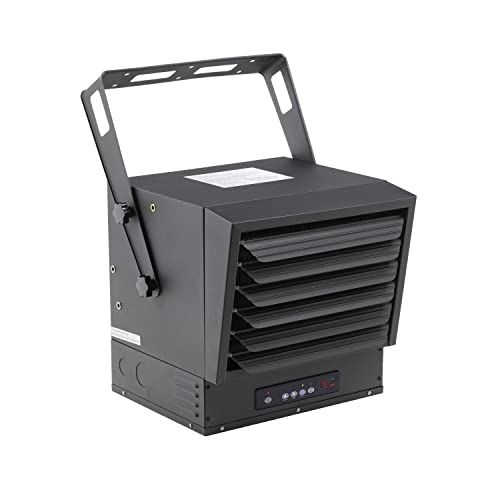
The Comfort Zone 10,000W hard-wired garage heater is designed for industrial and commercial ceilings, delivering consistent warmth across large areas. Its wide air distribution and fan-forced heat help minimize cold spots in warehouses, workshops, and other expansive spaces. The digital thermostat, 12-hour timer, and remote control provide convenient operation, enabling precise temperature control and scheduling to balance energy use with comfort. The heavy-gauge steel construction supports durability in demanding environments, while fully sheathed heating elements and a protected motor contribute to ongoing reliability in dusty or harsh spaces. For safe operation, ensure proper electrical supply and clearances per installation guidelines.
Dura Heat EUH1465 Electric Forced Air Heater
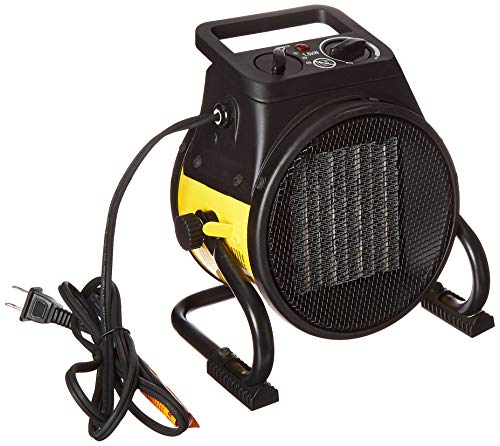
The Dura Heat EUH1465 delivers 1500 watts of PTC ceramic heating with a pivoting base, making it suitable for small to medium spaces such as workshops, offices, or vendor booths in commercial settings. The unit’s rugged steel construction supports steady operation, while offering flexible mounting and portability. It provides a compact, energy-efficient alternative to larger heaters when space or energy considerations limit BTU output. Consider the electrical service and the heater’s footprint when integrating into a larger heating plan, ensuring adequate power supply and safe clearance around the unit.
Buying Guide
Key purchase considerations when selecting a commercial space heater include heat output, space size, and climate conditions. Determine whether outdoor exposure necessitates propane or electric options, and assess installation requirements for indoor spaces. BTU or wattage ratings should align with room dimensions and the expected occupancy to avoid overheating or underheating. For outdoor use, wind resistance, weatherproofing, and safety certifications (ETL, UL) are critical. Gas heaters require a fuel source and ventilation planning, while electric heaters depend on electrical capacity and proper circuit provisions. Mobility versus fixed installation is another factor; portable units offer flexibility but may lack long-term efficiency for constant use. Maintenance, warranty, and replacement parts impact long-term operating costs. Finally, safety features such as tip-over protection, overheat protection, cool-touch housings, and child-locks help maintain secure operation in busy commercial environments. This guide presents both gas and electric options to cover a wide range of deployment scenarios, from open patios to enclosed industrial spaces.
Additional considerations include:
– Space planning: Map seating, work areas, or equipment layout to optimize heat distribution and comfort.
– Energy efficiency: Look for thermostatic control, timers, ECO modes, and sensors to reduce consumption.
– Compliance: Ensure installations meet local codes, ventilation requirements for gas units, and electrical standards for hard-wired heaters.
– Noise and aesthetics: Some units generate more noise or have visual profiles that affect guest experience in hospitality spaces.
– Maintenance access: Choose units with easy access for cleaning, filter changes, and routine inspections.