Boat engines demand reliable protection from freezing temperatures, especially during winter storage or early-season outings. This guide reviews top marine engine heaters designed to keep bilge areas, engine compartments, and cabins warm, prevent frost damage, and simplify winterization. Each selects five strong options with different wattages and features to fit various boats and climates, helping you choose the right heater for safe, efficient operation on the water or on land.
| Product | Brand | Watts | Key Benefit |
|---|---|---|---|
| Boat Engine Compartment Heater 800W | Xtreme Heaters | 800 | Strong heat for larger compartments |
| Boat Engine Compartment Heater 600W | Xtreme Heaters | 600 | Balanced efficiency and protection |
| 2026 Boat Engine Compartment Heater 400W | Bestwooo | 400 | Advanced PTC ceramic with fast airflow |
| Binmaton Boat Engine Compartment Heater 700W | Binmaton | 700 | Dual-component design with IPX7 protection |
| Caframo SEEKR Boat Engine Compartment Heater 400W | CAFRAMO | 400 | Ignition protection and dual airflow |
This article highlights five reliable choices spanning different wattages and design approaches. Each product offers automatic temperature control, waterproof construction for damp marine environments, and safety features designed to prevent engine damage during cold spells. Consider your boat’s size, storage conditions, and preferred thermostat style when selecting a unit.
800W Marine Bilge Heater From Xtreme Heaters

What It Is: A robust 800-watt engine compartment heater designed for boats, RV underbellies, campers, and other cold environments. It emphasizes a compact size with a 150-watt increase over smaller units, enabling more effective temperature control. The unit is built to endure marine conditions with a durable anodized case and a corrosion-resistant fan system.
Features At a Glance: Self-regulating PTC element switches on at approximately 40°F and shuts off around 55°F, delivering stable engine compartment temperatures. The heater’s design supports mounting in multiple orientations, including upside down, accommodating tight or awkward spaces. The aluminum construction contributes to longevity and efficient heat exchange. The sealed electronics module and a 58 CFM waterproof fan add reliability in damp bilge environments.
Why It Supports Cold-Weather Boating: With automatic cycle control and a protected electrical assembly, this model minimizes the risk of freezing within the engine compartment while reducing winterization costs over time. It’s suitable for mid- to large-sized boats needing consistent heat without manual adjustments.
600W Marine Bilge Heater From Xtreme Heaters
What It Is: A 600-watt engine compartment heater in the same family, designed to provide effective protection for boats with moderate engine compartments. It shares the brand’s focus on durability and ease of use.
Features At a Glance: Self-regulating PTC element, turning on at 40°F and off at 55°F, ensuring a stable thermal profile. Durable anodized housing, sealed electronics, and a waterproof 58 CFM fan support reliability in wet bilge spaces. The unit’s mounting versatility helps accommodate various hull layouts and installation constraints.
Why It Supports Cold-Weather Boating: The 600W option offers a balance between power and energy use, suitable for mid-sized vessels or spaces where extra warmth is beneficial without excessive draw on power systems.
400W 2026 Boat Engine Compartment Heater From Bestwooo

What It Is: A 2026-upgraded 400W PTC ceramic heater intended for boats, RVs, trucks, and similar compartments. The design emphasizes rapid heat transfer and modern materials to reduce warm-up times in tight spaces.
Features At a Glance: Advanced PTC ceramic heating technology used with aluminum tubing reduces thermal resistance for efficient heat exchange. An internal fan delivers up to 89 CFM, supporting faster heating. The aluminum exterior and stainless steel base enhance durability, with fully waterproof internal components and rust resistance for harsher marine environments. An automatic thermostat triggers at 41°F and shuts off at 59°F, with user-friendly indicator lights for status visibility.
Why It Supports Cold-Weather Boating: It delivers reliable warmth quickly while resisting corrosion and moisture. The thermostat and status indicators help operators monitor operation during cold starts, which can be crucial for preserving engine longevity on boats that endure extended winter layups.
700W Binmaton Boat Engine Compartment Heater
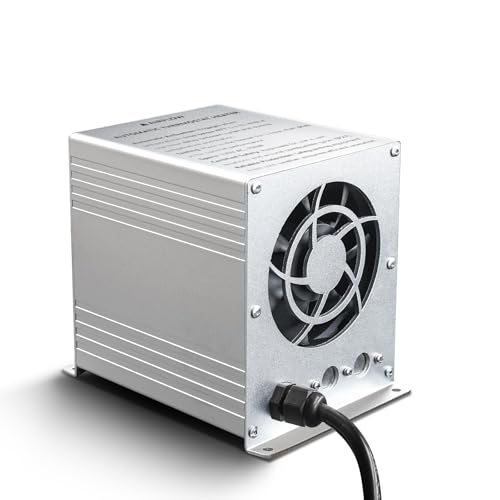
What It Is: A 700W dual-component heater designed for boats up to 36 feet, offering robust temperature control and freeze protection for harsh winter conditions.
Features At a Glance: Dual-component design ensures even heat distribution and maintains precise temperature control. The unit is multi-use, capable of heating RVs, greenhouses, well houses, and other cold environments, making it a versatile option for users with multiple needs. IPX7 waterproof protection underlines its suitability for humid bilge spaces, and its durable construction supports dependable operation across seasons.
Why It Supports Cold-Weather Boating: The combination of dual heat sources and strong waterproofing helps guard engines against rapid cooling and salt exposure, while its versatile design addresses a broad range of cold-weather scenarios beyond boating alone.
400W Caframo SEEKR With Automatic Thermostat

What It Is: The Caframo SEEKR is a 400W marine heater designed for automatic temperature control and ignition protection, suitable for bilges and boat compartments. This model emphasizes safety features and Canadian engineering heritage.
Features At a Glance: Meets ignition protection standards (USCG, UL-1500) for safe bilge use. It uses a safe, self-regulating PTC element and includes dual airflow redundancy with two fans for added reliability in case of a single fan failure. The unit is compact and designed for marine environments, prioritizing safety alongside performance.
Why It Supports Cold-Weather Boating: The SEEKR’s ignition protection and redundant airflow serve as strong safety benefits in crowded or confined bilge spaces, reducing the risk of overheating or fuel-related ignition issues while preserving engine readiness in colder months.
Buying Guide: Key Considerations And Comparisons
- Boat size and space: For larger engine compartments, prioritize higher wattage (600–800W) models to ensure even heat distribution without overworking the unit.
- Thermostat control: Self-regulating PTC elements are common and reliable; look for units with automatic thermostats that switch on and off within a safe range to prevent overheating.
- Waterproofing and durability: IP ratings (IPX7 or similar) and corrosion-resistant housings extend life in bilges and damp environments.
- Mounting versatility: A heater that can be mounted in multiple orientations (including upside down) offers installation flexibility in tight or awkward spaces.
- Safety features: Ignition protection standards and dual airflow paths reduce risk in potentially hazardous marine areas.
- Power availability: Check your battery and shore-power options; higher-wattage heaters can demand more current, so match with available power sources on board or during storage.
- Maintenance and accessibility: Choose models with modular components, sealed electronics, and accessible fans for easier maintenance and replacement parts.
- Durability and warranty: Marine environments demand rugged builds. Look for anodized housings, rust-resistant bases, and manufacturer warranties that cover rough seas and salt exposure.
- Versatility: If you own other cold-weather setups (RV, greenhouse, or outdoor equipment), a multi-use heater with IPX7 protection and robust controls can save money and space.
Across these options, the 800W and 700W units emphasize strong heat output for larger or more demanding compartments, while 400W and 600W models suit smaller boats or tighter spaces. Automatic thermostats and waterproof construction are common threads that help protect engines and extend the boating season. When selecting, weigh installation space, electrical capacity, and the typical winter conditions you’ll face on the water.