Dual flame heaters offer flexible fuel options and robust heating capability for spaces of various sizes. This guide highlights five top choices that blend efficiency, safety, and practical design for American homes. From gas-fired wall units to ventless free-standing models, these selections cover different room sizes and installation preferences while keeping operation straightforward and reliable.
| Product | Fuel Type / Power | Approximate Coverage | Type |
|---|---|---|---|
| Dyna-Glo 30,000 BTU Blue Flame (Wall Heater) | Liquid Propane or Natural Gas (Dual Fuel) | Up to 1,000 sq. ft. | Vent-Free Wall Heater |
| Dyna-Glo BFSS10NGT-2N 10,000 BTU | Natural Gas (Vent Free) | Up to 300 sq. ft. | Wall-Mount Heater |
| ProCom Ventless 25,000 BTU | Propane (Dual Fuel capable heated via ventless system) | Up to 1,100 sq. ft. | Free-Standing Fireplace |
| Mr. Heater 20,000 BTU Vent Free | Dual Fuel (LP/NG) with safety features | Up to 1,000 sq. ft. | Vent-Free Radiant Heater |
| ProCom ML100HBA-B 10,000 BTU | Propane (Ventless) | Up to 500 sq. ft. | Tabletop/Portable |
Note: BTU ranges are typical for heating performance; actual room warmth may vary with insulation, ceiling height, and outside temperatures. All models in focus emphasize dual fuel compatibility or dual flame characteristics to adapt to energy availability and household safety preferences.
Dyna-Glo 30,000 BTU Blue Flame Wall Heater

Features include dual fuel technology enabling operation with liquid propane or natural gas. This wall-mounted unit uses blue flame technology to convect heat, warming air similarly to a central system. It delivers up to 30,000 BTUs per hour and can heat up to about 1,000 square feet. This model is designed for garages or larger living spaces where a dedicated heater can reduce overall energy use while maintaining comfort. Installation should follow local codes, and vent-free operation requires proper clearance and room design considerations.
Dyna-Glo 10,000 BTU NG Vent Free Wall Heater

Designed for natural gas, this unit offers a compact solution for spaces up to about 300 square feet. The blue flame technology warms the air efficiently, mirroring central heating, with adjustable output within its BTU range. A quiet operation profile and wall-mounted design help conserve floor space while providing quick, localized heat. It’s important to confirm gas supply and venting requirements before installation to ensure safe operation in enclosed areas.
ProCom Ventless 25,000 BTU Free Standing
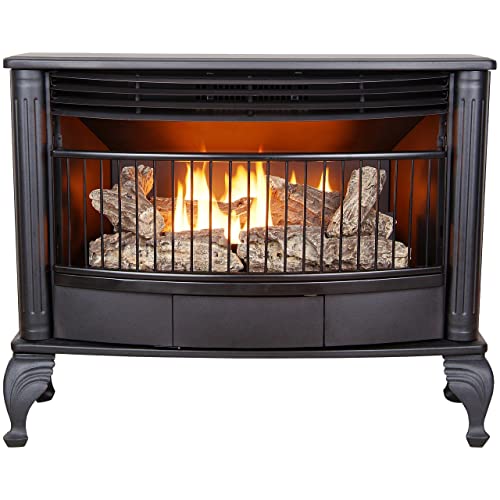
Ventless operation provides flexible placement and quick heat for larger living areas up to 1,100 square feet. This dual-fuel capable design uses propane with a built-in thermostat control to tailor warmth. Realistic detailing, including hand-painted logs and cast accents, enhances ambience while delivering practical heating. The unit relies on oxygen depletion sensing and other safety features to mitigate risks associated with ventless operation in enclosed spaces. Ensure adequate ventilation and follow manufacturer guidelines for safe use.
Mr. Heater 20,000 BTU Vent Free Radiant Dual Fuel

This dual fuel unit combines LP and natural gas options with safety features such as a low oxygen detection system and thermostatic control for precise temperature management. Battery-operated electronic ignition enables reliable start-up, especially in colder months. Its radiant heat design effectively warms occupants and objects in the room, making it suitable for living rooms or workshops. Like other vent-free heaters, ensure proper clearance and indoor air quality considerations.
ProCom ML100HBA-B 10,000 BTU Propane Heater

This compact, manual-control model heats up to 500 square feet using propane, with a push-button ignition for quick start. It operates without electricity, which can be advantageous during power outages. Oxygen depletion sensing adds a safety layer, automatically shutting off if oxygen levels fall. Its portability makes it suitable for small rooms, cabins, or garages requiring a lightweight heating option without complex installation.
Buying Guide: Key Considerations For Dual Flame Heaters
- Fuel type and availability: Dual fuel units provide flexibility when one fuel source is scarce or expensive. Check local propane and natural gas availability and cost patterns.
- Space and BTU needs: Larger rooms demand higher BTUs, but oversized heaters waste energy. Measure room dimensions and consider insulation, ceiling height, and drafts to select the appropriate BTU range.
- Ventilation and safety: Ventless models rely on indoor air and oxygen depletion sensors. Venting options, CO safety, and room ventilation requirements vary by product and location.
- Installation type: Wall-mounted, free-standing, and tabletop designs suit different layouts. Ensure secure mounting, accessibility for service, and compliance with clearance requirements.
- Thermostat and controls: Thermostatic control helps maintain steady comfort. Some models include automatic shutoffs or safety features like low-oxygen alarms and piezo ignition.
- Energy efficiency: Look for efficient heat distribution and minimal heat loss. Blue flame or radiant designs impact how heat is delivered and perceived in a space.
- Maintenance: Filtration, venting cleanliness, and ignition components influence long-term performance. Routine inspection reduces risk of malfunctions.
- Cost of operation: Operational costs depend on fuel type and usage patterns. Compare running costs based on BTU output and fuel prices in your area.
- Local codes and permits: Some installations require permits or professional installation. Verify local building codes and safety standards before purchase.
These considerations help balance safety, comfort, and efficiency. When selecting a dual flame heater, evaluate room size, energy costs, and how often you’ll rely on supplemental heat to maximize value and performance over time.