Hydronic radiator heaters use your home’s hot water to deliver quiet, efficient warmth. This guide reviews top hydronic options and related components to help American households compare performance, control features, and installation needs. Each product listed leverages water-to-air heat exchange, offering steady comfort with simpler energy management for garages, workshops, and living spaces alike.
The following table highlights the selected products, including core features and intended use. Use this at a glance to identify models that match your space and energy setup.
| Product | Brand | BTU / Capacity | Key Use |
|---|---|---|---|
| Alecoil HHA100-Pro (Blue) | Alecoil | 100,000 BTU | Outdoor wood boiler connections; large spaces |
| Alecoil HHA100-Pro (Black) | Alecoil | 100,000 BTU | Outdoor wood boiler connections; large spaces |
| Alecoil HHA50-Pro (Blue) | Alecoil | 50,000 BTU | Medium to large spaces; versatile installations |
| American Royal 50,000 BTU Hydronic Heater | American Royal | 50,000 BTU | Hydronic heat with adjustable fan speed |
| Hydronic Radiant Heat Control Panel | Warming Systems | 1-4 zones supported | Whole-system hydronic zoning and control |
Alecoil HHA100-Pro Blue Hydronic Heater

The Alecoil HHA100-Pro Blue is a hydronic hot water hanging unit heater designed to use a building’s hot water source (outdoor wood boilers) to provide efficient, whisper-quiet operation. It includes a remote control for temperature management and supports three modes: Water Temperature, Room Temperature, and Dual Mode. A Bluetooth remote wall mount enables convenient adjustment from up to 33 feet away, with installation requiring a pre-installed power cable. This model targets large spaces where consistent, low-noise heating is valued, such as workshops or warehouses connected to a hot-water loop.
Alecoil HHA100-Pro Black Hydronic Heater

This Black version of the HHA100-Pro shares the same performance profile as the blue variant, employing the building’s hot-water source for efficient heat with quiet operation. Its remote temperature control offers Water Temperature, Room Temperature, and Dual Modes. The Bluetooth remote requires line-of-sight with the heater and a compatible pre-wired power cable for installation. The Black finish provides an alternative aesthetic suited to certain commercial or utility spaces that demand a robust, low-profile heating solution.
Alecoil HHA50-Pro Blue Hydronic Heater

The HHA50-Pro Blue is a 50,000 BTU hydronic unit designed for medium-sized spaces. It employs the same remote temperature control system, with Water Temperature, Room Temperature, and Dual Modes. As with larger Alecoil models, installation depends on a pre-installed power cable and Bluetooth remote placement within an unobstructed line of sight. This model is a balanced option for barns, garages, or mid-sized workshops where water-based heating is advantageous but space and power constraints are present.
American Royal 50,000 BTU Hydronic Heater

The American Royal 50,000 BTU Hydronic Heater is a hanging unit designed for water-based heating with an adjustable fan speed. It supports hydronic heat with a focus on compatibility with wood boiler systems. As a hydronic heat solution, it provides a straightforward method to distribute warm air from hot water lines into larger spaces where warmth is needed efficiently and quietly, with the flexibility of fan speed control for quick comfort adjustments.
Warming Systems Hydronic Radiant Heat Control Panel

The Hydronic Radiant Heat Control Panel by Warming Systems is a pre-assembled solution designed to manage up to four hydronic zones. It includes a high-efficiency UPSe15-58 pump, expansion tank, air separator, and necessary plumbing connections. This panel is ideal for those building or upgrading a hydronic system that demands organized zoning, reliable circulation, and a neat installation footprint. It supports glycol systems and represents a turnkey option for intermediate to advanced hydronic setups.
De’Longhi Dragon Oil Filled Radiator
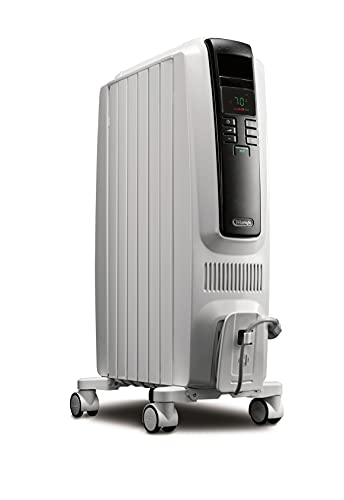
Although not a hydronic unit, the De’Longhi Dragon Digital Oil Filled Radiator is often included in broader room-temperature discussions due to its comparable role in providing whole-room heating. It features a digital control panel, a 24-hour timer, and a fast heat-up with enhanced radiant surface area. While it relies on electric heating rather than a hot-water loop, it remains a popular alternative for spaces where a hydronic system is not feasible or is being evaluated alongside electric options.
Dreo Oil Filled Radiator Heater

The Dreo oil-filled radiator provides broad warmth with eight M-shaped fins to improve heat dissipation. It uses a quiet operation profile and offers multiple heat settings and a remote for convenient temperature adjustments. While not hydronic, it serves as a reference point for comparing electric vs. water-based heating approaches in larger room contexts and can be used as a supplementary heat source in hybrid setups.
Buying Guide: Hydronic Radiant Heating Essentials
When choosing a hydronic radiator heater, consider compatibility with your existing hot-water source, space constraints, and desired control sophistication. Below are key purchase considerations and comparisons to help you evaluate options:
- Hydronic Source Compatibility: Ensure the unit is designed to connect to your hot-water loop (outdoor wood boiler, gas-fired water heater, or boiler). Check inlet/outlet sizing and whether glycol protection is required for outdoor installations.
- BTU/Capacity: Larger spaces require higher BTU output. Compare insulation levels and target comfort zones. Oversized units may cycle more often and reduce efficiency, while undersized units won’t meet comfort needs.
- Control and Comfort Features: Remote temperature controls, room vs. water temperature modes, and dual-mode operations offer granular comfort management. Bluetooth remotes require line-of-sight and proper cable setups for power.
- Installation Considerations: Some units require pre-wired power cables and dedicated outlets. Assess ceiling clearance, mounting options, and proximity to water connections to minimize piping runs and heat losses.
- Noise and Air Handling: Fan-assisted hydronic units distribute warm air but can introduce noise. Silent operation models are preferable for living spaces, while fans may be beneficial in larger, uninsulated areas.
- Maintenance and Servicing: Look for components that are readily serviceable, with parts availability and clear installation guides. Hydronic panels should allow straightforward flushing and expansion management.
- Safety Features: Overheat protection, tip-over sensors for stand-alone units, and flame-retardant materials improve safety in occupied spaces, especially around children and pets.
- Durability and Build: Exterior finishes (blue or black) often reflect installation environments. Corrosion resistance and robust mounting hardware support long-term use in garages or warehouses.
- Budget and Total Cost of Ownership: Hydronic systems generally offer energy efficiency over time, particularly when integrated with efficient hot-water sources. Compare installation costs, running costs, and potential rebates or incentives for home modernization.
In scenarios where hydronic heating is well-suited, these units provide reliable warmth with a cohesive integration into existing hot-water networks. For spaces where a traditional electric heater may be simpler to install, electric oil-filled radiators offer a comparable comfort profile, though with different energy dynamics and installation requirements.