Winter mornings on the course or at the campsite don’t have to be uncomfortable. A dedicated gold cart heater can keep you toasty while you play or relax outdoors. This guide highlights five reliable options designed for golf carts, including propane and electric models, so you can choose the best fit for your cart and climate. Below, you’ll find quick product overviews, practical buying tips, and a side-by-side look to help you decide.
Summary of Selected Products
| Product | Power | Fuel Type | Typical Use | Notable Feature |
|---|---|---|---|---|
| OLFANIX 6500-BTU 2-in-1 Golf Cart Heater | 6500 BTU | Propane (1 lb tank not included) | Golf carts, camping | Cup holder adapter included |
| Kohree 48V Electric Golf Cart Heater | Infinite temp, 120 sq ft | Electric 48V | Enclosed carts, cold days | No propane, wind-resistant |
| Xislet 48V Electric Golf Cart Heater | 400W, 120 sq ft | Electric 48V | Club Car/EZGO/Yamaha | 2-second rapid heat |
| GasBRUH 6200 BTU Propane Golf Cart Heater | 6200 BTU | Propane | Outdoor, golf carts | Cylinder holder; windproof USB lighter |
| Gociean 48V Electric Golf Cart Heater | 360° heat distribution | Electric 48V | Battery-powered carts | Zero-emission warmth |
OLFANIX 6500-BTU 2-in-1 Golf Cart Heater

The OLFANIX 6500-BTU heater is designed to deliver warmth for golf carts in winter conditions. Its 2-in-1 design combines a protective cover with a dedicated cup holder adapter, allowing installation in most cart models with a standard cup holder. The unit supports heating times of approximately 4–6 hours when paired with a 1 lb propane tank (tank not included). Compatible with a wide range of golf carts and even some UTVs or camping setups, this heater balances portability and power for on-course comfort.
Key features include a robust 6500 BTU output, a practical 1 lb propane tank compatibility, and a protective cover that helps shield components from weather. The included cup holder adapter ensures secure placement in most golf cart cup holders, reducing shifting while driving. Consider a propane supply plan for extended rounds and backup heating on chillier days.
Mr. Heater F242010 4,000 BTU Golf Cart Heater

The Mr. Heater F242010 model offers a compact 4000 BTU heater option for golf carts, focusing on reliable warmth with a brand known for portable heating solutions. This unit is typically compatible with a range of golf cart designs and aims to deliver efficient heat for up to several hours, depending on propane cylinder size and ambient conditions. It’s suitable for golfers who want a straightforward propane setup without complex installation requirements.
Considerations include the balance between BTU output and propane consumption, the need for a compatible cylinder (1 lb cylinders are standard), and the overall weight impact on cart handling. For enclosed carts or colder climates, pairing with a wind-blocking setup can maximize heat retention while conserving propane. Always follow safety guidelines for propane use in confined spaces.
Kohree Golf Cart Heater Electric 48V
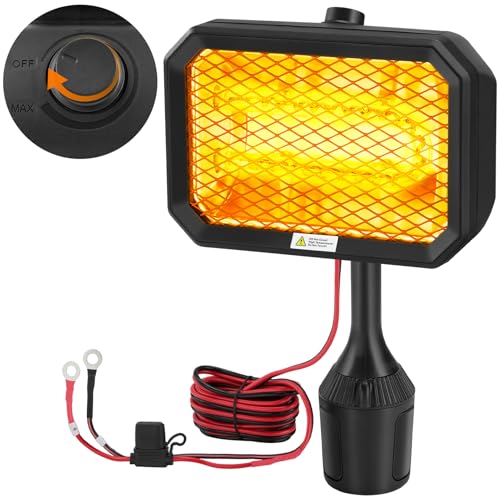
The Kohree 48V electric heater is designed for enclosures and enclosed cabs where propane may be undesirable due to fire risk or ventilation constraints. This heater provides continuous warmth with an infinite temperature adjustment knob, offering stepless control to reach precise comfort. It heats up to about 120 square feet and includes a 360-degree adjustable head to direct airflow where needed. This model is CE, FCC, and ROHS certified for safety, making it a solid choice for clubs seeking a safe, electric alternative to propane.
Pros include zero emissions, no fuel handling, and stable operation in windy conditions. Potential drawbacks involve reliance on battery power and the need for adequate electrical capacity on the cart. Verify your cart’s 48V system and ensure adequate charging practices to prevent unexpected power draw during rounds.
Xislet 48V Electric Golf Cart Heater

The Xislet electric heater uses 48V power to deliver fast, even warmth across the golf cart interior. With 400W of heating power and a 120 sq ft coverage capability, it is designed to minimize cold spots without propane, making it an attractive option for golfers who value quiet operation and minimal maintenance. The system is hardwired directly to the cart’s 48V battery, simplifying installation and avoiding additional adapters. A built-in inline fuse adds a safety layer for secure operation.
Highlights include instant warmth within seconds, a direct battery connection for clean operation, and quiet performance. It is specifically tailored for 48V systems and is not compatible with 12V or 36V carts. Consider battery capacity and charging cycles when planning extended use on back-to-back rounds or long tournaments.
GasBRUH Golf Cart Heater with Cup Holder

The GasBRUH propane heater provides up to 6,200 BTUs of heat and includes a windproof design and a USB lighter for ignition. It is designed to fit most golf carts, including EZGO, Club Car, and Yamaha models, with an upgraded cylinder holder that accommodates a wide range of bottle sizes. This unit is a robust option for outdoor use where a strong heat output is desirable and where a secure cup holder placement is feasible.
Key considerations include the need for propane tanks (not included) and safe storage of the cylinder in a stable cradle. The adjustable gas valve allows precise control over heat output, helping balance warmth with propane consumption. Ensure clearance from flammable materials and proper venting when using the heater in partially enclosed spaces or tents during camping trips.
Gociean 48V Electric Golf Cart Heater
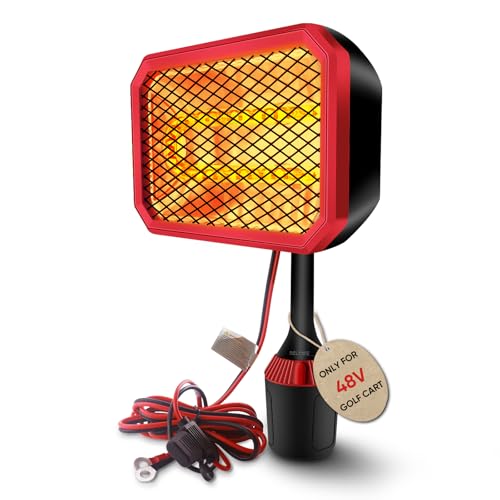
The Gociean 48V electric heater emphasizes carbon fiber heating elements with 360-degree heat distribution and fast warming times. This battery-powered option avoids propane entirely, delivering warmth in about three seconds with low power consumption (around 0.4 kWh per hour). It’s designed for 48V golf cart systems and includes features like a waterproof inline fuse for safety and a near-silent operation that minimizes course noise and wind disruption.
Potential advantages include zero emissions and compatibility with 48V battery setups. Consider battery life under heavy use and the impact on remaining battery charge, especially on longer rounds or tournaments. This model is ideal for golfers who prefer electric solutions and want to preserve a quiet,Comfortable cabin environment.
Buying Guide: Key Considerations for Picking a Gold Cart Heater
- Power source: Propane vs. electric. Propane units deliver high BTU output but require tanks and venting; electric heaters suit enclosed spaces with no fuel risks but depend on battery capacity and vehicle electrical system.
- Cart compatibility: Check that the heater fits your cart model and mounting options (cup holder adapters, dedicated brackets, or hardwired connections).
- Heat area and coverage: For a typical golf cart, aim for enough BTU or wattage to heat roughly 100–120 square feet, ensuring even warmth and minimizing cold spots.
- Safety and ventilation: Propane heaters should be used with adequate ventilation. Electric models reduce fire risk but monitor battery load and heat distribution to avoid hotspots.
- Ease of installation: Some models are plug-and-play, others require wiring or professional setup. Consider whether you need a temporary or permanent solution.
- Noise and comfort: Look for quiet operation to preserve conversation on the course. Carbon fiber and optimized airflow designs help minimize noise.
- Durability and weather resistance: Winter golf involves exposure to wind and moisture. Choose units with protective covers, weather seals, and robust housings.
- Fuel and maintenance costs: Propane requires ongoing fuel purchases and cylinder handling, while electric models incur electricity usage and potential battery wear.
- Safety certifications: For electric heaters, CE, FCC, and ROHS certifications are indicators of electrical safety and compliance.
In sum, the best choice depends on your climate, cart setup, and preference for fuel versus electricity. Electric heaters provide clean, quiet warmth with fewer safety concerns in enclosed carts, while propane units offer higher heating capacity for more open or poorly insulated spaces. Consider trying a model that aligns with your cart’s power system and your typical winter conditions, and ensure you follow all safety guidelines for heating equipment on the cart.