Choosing a heater that offers clean operation, reliable warmth, and easy setup is essential for comfort and safety. This article highlights five prominent heaters and fuel options, with a focus on bio ethanol and close alternatives for spaces ranging from kitchens to workshops. Each product is evaluated for burn quality, safety features, and practical use in American homes and work environments. The following buying guide helps compare fuel types, runtimes, and safety considerations to help you pick the best option for your needs.
| Product | Brand | Fuel Type | Approx. Coverage |
|---|---|---|---|
| 7Penn Gel Fuel True Heat | 7Penn | Bio Ethanol Gel | Buffet/Chafing Use |
| Sunfire Radiant Heater SF80 | Sunfire | Diesel/Kerosene | Up to 1,900 sq ft |
| Habitio Propane Forced Air Heater | Habitio | Propane | Large spaces up to 3,125 sq ft |
| Avenger FBDTP30 Outdoor Heater | Avenger | Propane | Outdoor patios and camps |
| Dyna-Glo WK95C8 Indoor Kerosene Convection | Dyna-Glo | Kerosene | Up to 1,000 sq ft |
7Penn Gel Fuel True Heat Bio Ethanol 2 Hr – 6 Pack

7Penn Gel Fuel True Heat provides a clean-burning bio ethanol option in a compact, disposable can format. Each 5.64-ounce can burn for up to two hours, making it suitable for buffet setups, chafing dishes, and temporary warming needs without emitting smoke or strong odors. The gel fuel formula reduces splatter and residue, contributing to a neater serving environment. While intended for heat and ambiance rather than direct cooking, these cans offer a convenient, renewable heat source for events where traditional fuels are impractical. The cans are designed to minimize soot and fumes, aligning with eco-friendly and indoor-use considerations. Always observe safety guidelines to avoid spills and ensure proper ventilation.
Sunfire Radiant Heater SF80 – 80,000 BTU

The Sunfire SF80 Radiant Heater delivers heat with minimal odor and a quiet operation profile. It is optimized for large-area heating, capable of warming spaces up to about 1,900 square feet. The design emphasizes efficient fuel use, with a substantial 6-gallon tank that supports extended runtimes—up to roughly 10 hours depending on fuel type. This model is particularly suited for indoor workshops, garages, or outdoor spaces where consistent, odor-free heat is valued. Since it relies on diesel or kerosene, users should ensure proper ventilation and adhere to safety instructions for indoor use. Radiant heating targets objects and people directly, which can feel more comfortable in drafty environments.
Habitio 125,000 BTU Propane Forced Air Heater
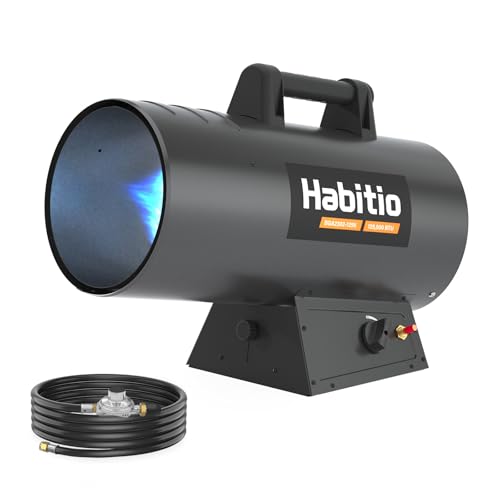
The Habitio unit offers powerful heating for large spaces, boasting a heating range of 75,000 to 125,000 BTU per hour and coverage up to 3,125 square feet. It uses propane as the fuel source and includes a 10-foot hose with regulator for flexible installation. Safety features include overheat protection, automatic shutdown in case of a power outage, and CSA certification. A few notes emphasize proper gas connections and venting for indoor use, along with acceptable noise levels during operation. This heater is well-suited for job sites, garages, and warehouses where rapid, robust warmth is required.
Avenger FBDTP30 Infra-Red Outdoor Heater

This Avenger model is designed for outdoor use and features a double burner setup delivering up to 30,000 BTU. It connects quickly to a propane tank and includes a swivel design for directional heat. Safety features include an automatic safety control valve that shuts off gas if the flame goes out and a match-light ignition. The unit does not require electricity, which enhances usability in outdoor environments or off-grid settings. The design prioritizes portability and rapid warm-up for patios, camping areas, or shaded outdoor lounges where a dependable heat source is needed with minimal setup.
Dyna-Glo RMC-55R7 Indoor Kerosene Radiant Heater

The Dyna-Glo RMC-55R7 is an indoor kerosene radiant heater rated at 10,000 BTU, suitable for spaces up to about 500 square feet without electricity. It emphasizes reliable, silent operation and a straightforward setup, making it a practical choice for rooms where electric heat is unavailable or undesirable. While not a bio ethanol option, kerosene heaters are popular for off-grid warmth and can supplement fuel flexibility in homes with adequate ventilation. The model supports easy placement in living areas, workshops, or sunrooms where consistent heat is needed during cooler months.
Buying Guide: Key Purchase Considerations
- Fuel type and availability: Bio ethanol options like 7Penn provide clean, low-odor heat but may have shorter runtimes per can than larger fuel tanks. Propane, kerosene, and diesel offer longer run times and are better suited for continuous heating in larger spaces.
- Room size and heat output: For spaces up to 1,000 sq ft, radiant or convection heaters with 10,000–25,000 BTU can be effective. Larger areas (1,500–3,000 sq ft) typically require 75,000–125,000 BTU propane units or equivalent.
- Ventilation and safety: Indoor use requires adequate ventilation, especially for kerosene and diesel-fired units. Bio ethanol burning reduces smoke and odor but still benefits from proper airflow. Always follow manufacturer safety guidelines, including shut-off switches and tip-over protection.
- Noise and operation: Radiant and alcohol-based heaters tend to be quieter than forced-air propane models. Consider the noise level if the heater will operate in living spaces or bedrooms.
- Portability vs. permanent installation: Outdoor units often come with wheels or compact frames for portability, while indoor models emphasize compact footprints. Choose based on intended placement and accessibility.
- Maintenance and refueling: Gel-fuel and bio ethanol cans limit mess and cleanup but may require frequent replacement. Larger fuel tanks require regular monitoring and safe storage of flammable fuels.