Choosing a propane or natural gas heater can deliver steady warmth without relying on electricity. This guide highlights five top options, spanning vented and ventless designs, with varying BTU outputs to cover spaces from cozy dens to larger living rooms. Each model is evaluated on heat capability, venting flexibility, thermostat control, and ease of installation. Use the quick comparison table to identify which heater best fits your space and fuel preferences.
| Product | Fuel | BTU | |
|---|---|---|---|
| Mr. Heater F260550 Big Maxx MHU50NG | Natural Gas | 50,000 | 1,250 |
| ProCom MN200TBA-B | Natural Gas | 20,000 | 950 |
| ProCom ML300TBA-B | Propane | 28,000 | 1,400 |
| Dyna-Glo 20,000 BTU | Natural Gas | 20,000 | 700 |
| Mr. Heater F260560 Big Maxx MHU80NG | Natural Gas | 80,000 | 2,000 |
The following sections spotlight five carefully chosen models. Each entry includes a concise overview, key features, and practical considerations to help you compare options side-by-side.
Mr. Heater Big Maxx MHU50NG Natural Gas Unit Heater
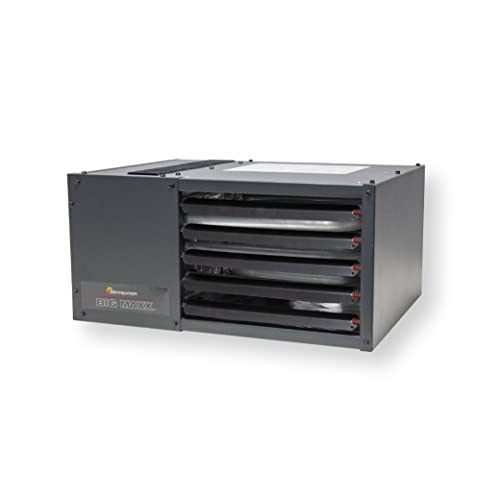
This 50,000 BTU unit heater is designed for natural gas and is suitable for spaces up to roughly 1,250 square feet. A notable feature is the powered exhaust, which supports vertical or horizontal venting, giving flexible installation options for different floor plans. The unit also provides convenient outside access to the thermostat and gas connections, simplifying service and adjustments. This model is appropriate for medium-sized rooms or open-plan areas needing steady gas-fired heat without reliance on electricity.
ProCom MN200TBA-B Ventless Natural Gas Heater

Ventless operation makes this compact Blue Flame heater ideal for smaller spaces like offices or bedrooms. It produces up to 20,000 BTU and can heat about 950 square feet. Thermostat control provides High, Medium, and Low settings for flexible comfort. The unit is designed to be mounted on a wall or placed on the floor with included base feet. This model prioritizes quick heat in tight spaces while avoiding external venting requirements.
ProCom ML300TBA-B Ventless Propane Blue Flame Heater

This 28,000 BTU propane heater delivers robust warmth for living areas up to about 1,400 square feet. Features include thermostat control with High/Medium/Low settings, and a sleek, compact design that fits modern interiors. Like other ventless units, it is suitable for spaces where venting is impractical, provided the room has adequate ventilation for safe operation. Mounting hardware is included for wall installation, with base feet for floor placement.
Dyna-Glo 20,000 BTU Natural Gas Blue Flame Wall Heater

This 20,000 BTU blue flame wall heater is designed for natural gas without fuel conversion. It uses Blue Flame technology to efficiently heat air and extend warmth to surrounding spaces, suitable for up to 700 square feet. The heater offers a broad temperature range and helps create a central-heating-like feel in smaller to mid-sized rooms. It is a practical option for zones where a compact, wall-mounted solution is preferred.
Mr. Heater Big Maxx MHU80NG Natural Gas Unit Heater
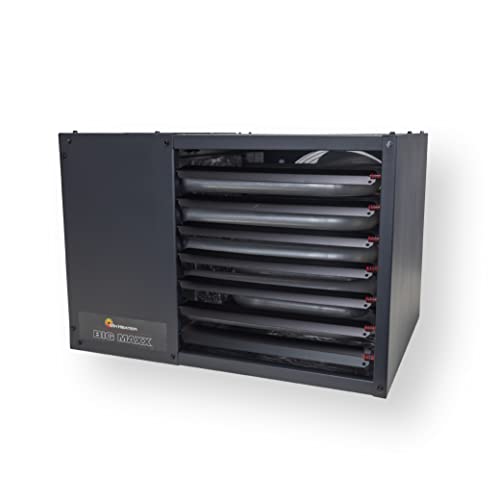
For larger spaces, this 80,000 BTU natural gas unit heater delivers robust heat coverage up to around 2,000 square feet. The unit is designed for horizontal or vertical venting and comes with mounting flexibility to fit different room layouts. The included specifications emphasize a broad heat range and strong performance, suitable for basements, workshops, or large living areas that require sustained warmth during cold months.
Buying Guide: Key Considerations When Choosing Propane Or Natural Gas Heaters
- Fuel type and availability: Decide between natural gas and propane based on your home’s existing fuel infrastructure and running costs. Ventless propane and natural gas options offer flexible installation but require adequate room ventilation and, in some cases, a dedicated gas line.
- BTU and heating area: Match the unit’s BTU rating to the size of the space you need to heat. Higher BTU typically means more heating capacity, but oversized units may waste energy in smaller rooms.
- Ventilation and venting options: Vent-free models provide easier installation but must be placed in well-ventilated spaces and within manufacturer guidelines. Vented units may require dedicated venting paths and can offer different installation challenges but can be safer in some setups.
- Thermostat control: Look for fixed or programmable thermostats with high/med/low settings to maintain consistent comfort and energy efficiency. Some models offer external thermostat access for easier control from different rooms.
- Vent configuration: Consider units designed for vertical or horizontal venting and verify clearance requirements, especially for larger installations or ceiling clearances.
- Installation and mounting: Wall-mounted, floor-mounted, or freestanding options affect placement flexibility. Check included hardware and the need for external accessories or conversion kits (not always included).
- Safety features: Auto shutoff, flame-out protection, oxygen depletion sensors, and proper venting compliance are essential for safe operation in residential settings.
- Operational reliability: Ventless models should have adequate oxygen ventilation in the room; vented units rely on proper ducting and venting design to prevent back-drafting or gas build-up.
- Maintenance and serviceability: Access to燃 gas connections and thermostat components, as well as availability of replacement parts, influence long-term reliability and serviceability.
- Space planning: For multi-room or open-plan spaces, consider a higher-BTU unit or multiple units to distribute heat evenly and avoid hot spots.