Vented (direct-vent or vent-free) wall heaters offer efficient, space-saving heating for targeted rooms, basements, or living areas. This guide highlights five top options that balance performance, safety, and energy use. Each product is selected for American households seeking steady warmth without bulky equipment. Compare BTU ranges, venting needs, and control features to find the right fit for your home.
Whether you need propane, natural gas, or electric operation, the following picks cover a spectrum of heating styles. Read on for concise product insights, a quick feature summary, and practical buying tips to help you choose a dependable vented wall heater that keeps cold spots at bay while remaining user-friendly and energy mindful.
| Product | Brand | BTU / Type | Venting |
|---|---|---|---|
| Rinnai EX22DTWP Direct Vent Wall Furnace | Rinnai | 20,700 BTU / Direct Vent | Direct Vent |
| Rinnai EX38DTP Direct Vent Wall Furnace | Rinnai | 36,500 BTU / Direct Vent | Direct Vent |
| Dyna-Glo 20,000 BTU Natural Gas Blue Flame Vent Free Wall Heater | Dyna-Glo | 20,000 BTU / Vent Free | Vent Free |
| Rinnai EX38DTWN Direct Vent Wall Furnace | Rinnai | 38,400 BTU / Direct Vent | Direct Vent |
| ENVI Plug-in Electric Panel Wall Heaters | ENVI | Low Wattage Electric | Plug-in Electric |
Rinnai EX22DTWP Direct Vent Wall Furnace — 20,700 BTU

The Rinnai EX22DTWP provides consistent and efficient heating with advanced modulating technology designed to prevent cold spots. A cool-to-the-touch cabinet and self-diagnostic electronics enhance safety for households with children. This direct-vent unit optimizes fuel use by precisely matching heat output to demand, delivering reliable warmth without overheating spaces. Installation is suited for indoor settings where venting to the exterior is feasible, and operation emphasizes safety and efficiency through intelligent controls.
Rinnai EX38DTP Direct Vent Wall Furnace — 36,500 BTU

This model emphasizes even room heating with an advanced modulating system to avoid cold zones. The wall unit features a cool-to-the-touch exterior and built-in self-diagnostics for safe operation in busy homes. Its sizable BTU rating supports larger living spaces and ensures rapid, even heat distribution while maintaining efficient fuel consumption. Ideal for homes needing robust direct-vent performance with modern safety features.
Dyna-Glo 20,000 BTU Natural Gas Blue Flame Vent Free Wall Heater

Blue Flame Technology converts heat into warm air similar to central heating, using vent-free operation for flexible installation. With a 10,000–20,000 BTU range and coverage up to approximately 700 square feet, this unit provides rapid heat in smaller to mid-sized rooms. It is a viable choice for spaces where venting outdoors is not feasible, though vent-free operation requires appropriate room ventilation and compliance with local codes.
Rinnai EX38DTWN Direct Vent Wall Furnace — 38,400 BTU
Designed for larger spaces, this direct-vent unit combines high heating output with efficient fuel usage. The system maintains even temperature distribution and benefits from a safe, cool exterior and diagnostic electronics. It suits homes or rooms that demand sustained warmth and dependable performance, especially in colder climates where robust BTU capacity matters for rapid comfort restoration.
ENVI Plug-in Electric Panel Wall Heaters
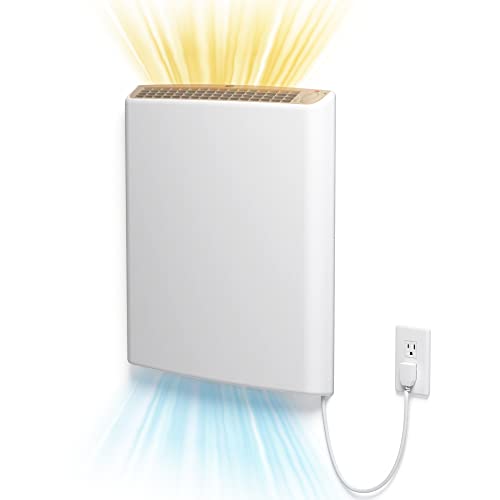
ENVI electric panel heaters offer energy-efficient, targeted heating with a safe, low-wattage footprint. The design emphasizes a cool surface, a wall-sense safety sensor, and a fan-less convection approach for silent operation. Suitable for bedrooms, offices, or nurseries, these units provide continuous warmth with minimal energy use and a quick, simple installation, often compatible with 24/7 running in well-insulated spaces.
Buying Guide
Key considerations ensure you choose a heater that fits your space, fuel availability, and safety requirements.
- Fuel type and venting: Direct-vent units draw combustion air from outside and vent outdoors, offering efficient heating with safer indoors. Vent-free options can be installed in some rooms but require proper ventilation and compliance with codes.
- BTU and space size: Match BTU output to room size. Oversized units waste energy, while undersized ones struggle to maintain comfort.
- Safety features: Look for cool-to-the-touch exteriors, automatic shutoffs, self-diagnostics, and child-safe designs. A wall-sense sensor improves safety in homes with pets or children.
- Control and efficiency: Modulating or thermostatic controls help maintain steady temperatures and optimize fuel or electricity use. Quiet operation is a plus in bedrooms and living rooms.
- Installation considerations: Check clearance requirements, venting routes, and electrical readiness for plug-in electric models. For gas models, professional installation is often recommended for venting and safety compliance.
- Maintenance and warranties: Favor models with accessible parts, clear diagnostic indicators, and reputable brand warranties to ensure long-term reliability.
- Energy impact: Electric panels typically use less energy for small spaces, while gas models provide higher heat output for larger areas with more aggressive climate needs.
Choosing the right vented wall heater involves balancing room size, fuel availability, and comfort preferences. The options above provide a range of capacities and technologies—from efficient direct-vent gas units to low-wattage electric panels—so you can select a model that aligns with your home’s layout and safety standards. Always verify local building codes and ventilation requirements before installation.