Finding an efficient, high-capacity garage heater is essential for keeping large workshops and garages warm year-round. The following selections center around 150,000 BTU capabilities, offering propane or hydronic options to fit different fuel setups. Each model has practical features for safety, efficiency, and reliability in American garages and job sites.
| Product | BTU Range | Fuel Type | Key Use |
|---|---|---|---|
| Dura Heat GFA150A Propane Forced Air Heater | 120,000–150,000 | Propane | Cold-weather workshops |
| Habitio 125,000 BTU Forced Air Propane Heater | 75,000–125,000 | Propane | Large garages and job sites |
| Mr. Heater F260590 MHU125NG NG 125K BTU Unit Heater | 125,000 | Natural Gas | Cold spaces with gas supply |
| Mr. Heater MH170QFAVT 170,000 BTU Portable Propane Heater | 125,000–170,000 | Propane | Large outdoor/indoor spaces |
| American Royal 150,000 BTU Hydronic Hot Water Hanging Unit | 150,000 | Hydronic (Hot Water) | Wood boilers or hydronic systems |
These options cover different installation styles and fuel types, enabling a practical choice for most American garages. The list highlights units with robust heating power, durability, and safety features designed for busy work environments.
Dura Heat GFA150A Propane Forced Air Heater
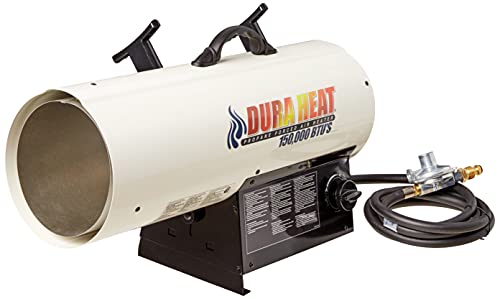
The Dura Heat GFA150A provides a practical 120,000–150,000 BTU output for large spaces. It runs on LP gas, delivering heat via a fan-forced hot air system. This model is designed for extended operation on a standard 100-pound propane cylinder, offering lengthy runtimes when needed. Its adjustable output helps tailor warmth to the workspace, while the propane design suits areas without electrical infrastructure for other heater types. Safety considerations include proper ventilation and secure mounting in open garage environments.
Habitio 125,000 BTU Forced Air Propane Heater
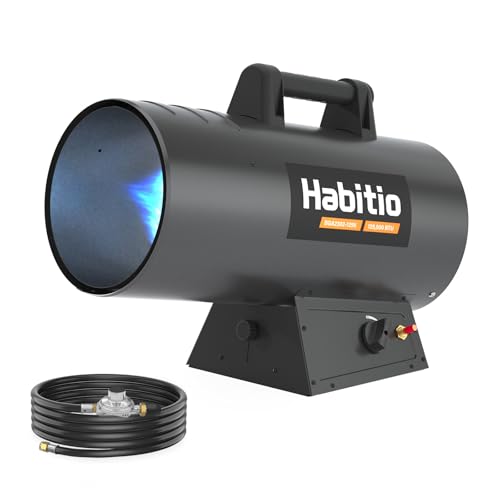
The Habitio unit offers 75,000–125,000 BTU/h capacity and is designed for large garages and job sites. It ships with a 10-foot hose and regulator, which helps simplify installation in spaces with accessible gas lines. The unit emphasizes quick warming, making it suitable for rapidly reducing chill in expansive rooms. Notable safety considerations include a CSA certification and a robust startup process with pulse ignition to mitigate flame-out risks. As with other propane heaters, ensure adequate ventilation to limit CO buildup in enclosed areas.
Mr. Heater F260590 MHU125NG NG 125K BTU Unit Heater
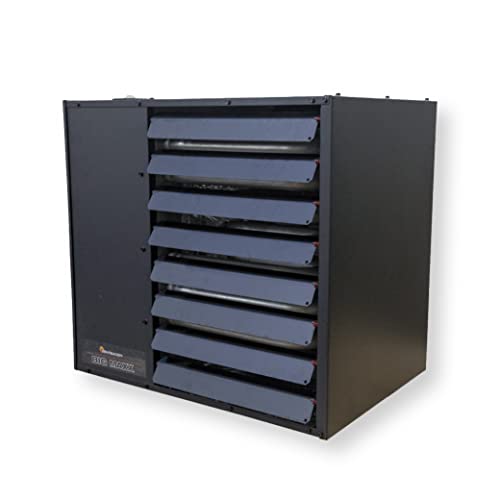
This natural-gas unit heater delivers 125,000 BTU and includes electronic ignition and powered exhaust for efficient venting. The model is designed to be integrated with existing gas lines, offering reliable heat in larger spaces such as driveways, garages, or workshop bays. It comes with a liquid propane conversion option, adding flexibility if propane becomes the preferred fuel. Features highlight safe operation, including protection against ignition failure and efficient exhaust management to minimize indoor air quality concerns.
Mr. Heater MH170QFAVT 170,000 BTU Propane Forced Air Heater

With a broad 125,000–170,000 BTU range, the MH170QFAVT targets very large spaces such as commercial garages and open-air work zones. It emphasizes safety through a high-temperature limit switch and thermoelectric safety valves, helping prevent unsafe operation. Quiet burner technology reduces noise levels, creating a more comfortable work environment. The rugged design and portable frame contribute to easy relocation across job sites, livestock barns, or shop floors where mobility matters.
American Royal 150,000 BTU Hydronic Hot Water Hanging Heater

The American Royal hydronic hanging heater uses 150,000 BTU to heat spaces via hot water circulated through a hydronic system. This approach is ideal when a building already uses a boiler or wood-fired setup, providing quiet, efficient warmth with water-based heat transfer. It is not propane-based, which can influence installation considerations, such as boiler connections and circulating pumps. Hydronic systems typically require space for piping and a control interface, but this option offers compatibility with existing water-heating infrastructures in many large garages.
Buying Guide: Key Purchase Considerations
- Fuel compatibility: Propane vs natural gas vs hydronic—assess existing fuel supply, safety, and venting needs. Propane units offer portability and straightforward installation, while natural gas units require a fixed gas line. Hydronic heaters depend on a boiler or hot-water loop system.
- BTU needs and space size: For garages around 1,000–3,000 sq ft, 125,000–170,000 BTU is common. Consider ceiling height, insulation, and typical occupancy to determine the needed output, and choose a model that can maintain comfortable temperatures with lower energy waste.
- Ventilation and safety: Forced-air heaters require proper ventilation to avoid carbon monoxide buildup. Look for safety features such as auto shutoff, overheating protection, flame-out prevention, and CSA or UL certification where available.
- Installation flexibility: Portable vs fixed mounting, venting requirements, and power or gas line access impact long-term usability. Hydronic options need compatible boiler loops and circulators, while propane units benefit from flexible placement.
- Noise and durability: Job sites and busy garages benefit from models with quieter burners and rugged housings. Heavy-duty handles, wheels, or mounting brackets improve portability and lifespan.
- Maintenance and serviceability: Consider filter access, ignition reliability, and availability of replacement parts. Some models offer easier conversion between fuels, which can be valuable if fuel costs or supply vary.
- Operating costs: While BTU output dictates warmth, efficiency and fuel price drive long-term costs. Look for features like precise thermostat control, digital or pulse ignition, and low-noise operation to optimize daily use.
In evaluating these options, match the heat output to the space, fuel availability, and installation constraints. For non-vented spaces or areas with limited airflow, prioritize units with efficient ventilation and safety shutoffs. Hydronic systems suit shops that already rely on a boiler network, while portable propane heaters suit temporary or multi-location setups.