Answering the need for precise electric heating control, these 220-volt baseboard heater thermostats are designed for high-voltage systems and offer features like Wi‑Fi control, scheduling, and voice integration. This guide highlights five solid choices for homeowners upgrading or retrofitting baseboard heating in spaces that use 120–240V power. It’s ideal for those seeking energy savings, remote access, and simple installation. The top picks favor compatibility with baseboard and convection heaters and cater to different installation styles and smart-home ecosystems.
| Product | Best For | Key Strength | Limitations |
|---|---|---|---|
| Mysa Smart Thermostat LITE (Electric Baseboard Heaters) | Remote control & scheduling | Wi‑Fi control, 7‑day scheduling, HomeKit/Alexa/Google | Requires neutral wire; 120–240V compatible |
| YeloDeer Dual Voltage 4‑Wire (110V‑265V) | Manual temperature control | High voltage compatibility; 4‑wire accuracy | Manual control only, no built‑in smart features |
| Meross Matter Smart Thermostat (120–240V) | Smart‑home voice control | Matter universal compatibility; app + voice | Requires wiring for high‑voltage baseboard |
| Meross Smart Thermostat (Electric Baseboard, 120–240V) | Smart scheduling & energy savings | Works with HomeKit, Alexa, Google; four‑wire install | Requires 4 wires; not for two‑wire setups |
| Cadet F Series Built‑In Baseboard Thermostat (Model BTF2W) | Integrated control for Cadet F heaters | Easy end‑of‑heater mounting; simple dial adjustments | Only compatible with Cadet F series heaters |
Mysa Smart Thermostat LITE for Electric Baseboard Heaters
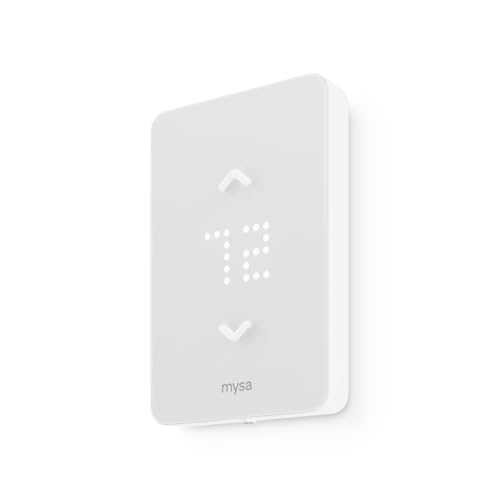
The Mysa LITE is a Wi‑Fi programmable thermostat designed for high‑voltage baseboard heating. It supports 120V–240V and offers 7‑day scheduling, remote access, and voice assistant compatibility with Apple HomeKit, Amazon Alexa, and Google Home. Best for homeowners who want flexible, app‑based control and energy savings without a hub. It is well suited for spaces where a weekly schedule and remote monitoring are priorities. Caution: Ensure your baseboard wiring includes a neutral to enable full features.
YeloDeer Dual Voltage 4‑Wire Manual Thermostat

YeloDeer offers a manual, dual‑voltage thermostat suitable for 110V–265V systems. It provides high accuracy and a temperature range from 40°F to 80°F, with compatibility for both 120V and 240V baseboard configurations. Best for older installations or users who prefer direct dial control without smart features. Limitation: No integrated Wi‑Fi or app control, so remote adjustments aren’t possible.
Meross Matter Smart Thermostat for Electric Baseboard Heaters
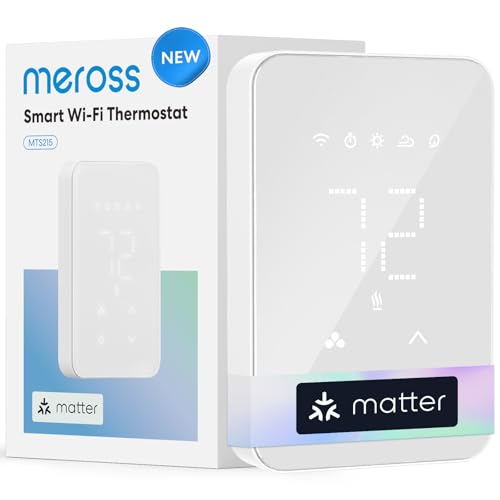
Meross Matter Smart Thermostat is designed for high‑line voltage systems and supports Matter, Alexa, Apple HomeKit, Google Home, and SmartThings. It enables flexible voice control and universal ecosystem compatibility, plus smart scheduling to save energy. Best for homes seeking broad smart‑home interoperability. Caution: Ensure you have at least four wires including a neutral, as some older two‑wire setups won’t support full features.
Meross Smart Thermostat for Electric Baseboard Heaters

This Meross model is a versatile smart thermostat for electric baseboard and in‑wall heaters, compatible with 120V–240V and four wires. It supports HomeKit, Alexa, and Google Home, and includes remote control via the Meross app. Best for households already invested in a multi‑assistant ecosystem. Limitation: High‑voltage installations require careful wiring by a professional if you’re unsure about wiring four wires and a neutral.
Cadet F Series Double Pole Built‑In Baseboard Thermostat

Cadet’s double‑pole BTF2W thermostat is built to integrate with Cadet F series baseboard heaters. It features a wide temperature range (approximately 45ºF to 80ºF) and easy end mounting, designed for straightforward installation along the heater ends. Best for Cadet F users who want a simple, inline thermostat with reliable on/off control. Caution: Requires Cadet F series compatibility; not a universal baseboard thermostat solution.
Cadet F Series 36″ Electric Baseboard Heater
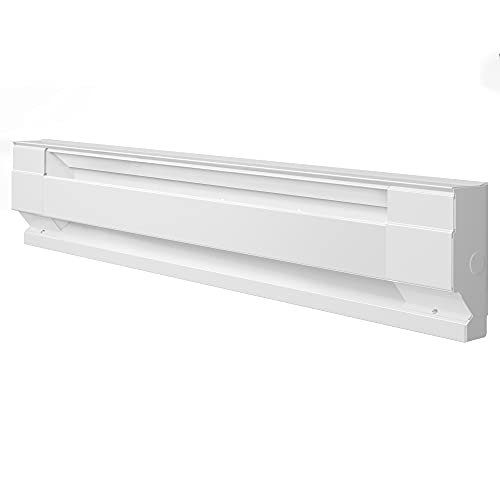
Cadet’s 36″ baseboard heater provides robust convection heating with a fireproof steel shell. It is designed for 240/208V operation and offers multi‑watt options for flexible cooling and warmth. Best for spaces needing a higher‑output baseboard heater with straightforward installation. Limitation: Requires appropriate electrical wiring and mounting within Cadet’s F series ecosystem for full compatibility.
Buying Guide
What matters most when choosing a 220V baseboard thermostat?
- Voltage compatibility: Ensure the thermostat supports 120–240V and your heater’s wattage. Some units are dual voltage and suitable for both 120V and 240V installations.
- Wiring requirements: Most smart thermostats need four wires, including a neutral or second live, for full functionality. Two‑wire setups may not support all features.
- Smart features: Decide if you want Wi‑Fi remote control, scheduling, and voice control through HomeKit, Alexa, Google Home, or Matter.
- Compatibility with heaters: Some thermostats are designed for Cadet, while others work with a broader range of baseboard models. Verify your heater model first.
- Installation complexity: Some units install inline on the heater, while others mount externally or require professional wiring.
FAQ
- Can I use a 220V baseboard thermostat with a 240V heater?
Yes, many thermostats labeled 120–240V are designed for 240V systems; verify the exact wattage capacity. - Do smart thermostats work without a hub?
Most high‑voltage smart thermostats connect directly to Wi‑Fi without a hub, but some integrate better with specific ecosystems. - Is four‑wire wiring required for baseboard thermostats?
Often yes, to supply power and a neutral for full smart features. Check your wiring before upgrading. - Are these thermostats compatible with older baseboard models?
Some are; others require specific heater models or additional adapters. Confirm compatibility with your heater brand. - Is professional installation necessary for high‑voltage systems?
If you’re unfamiliar with high‑voltage wiring, hire a licensed electrician for safety and code compliance. - Do these thermostats support energy savings?
Many offer scheduling, geofencing, and adaptive displays that help reduce heat when not needed.