The top 4 GPM tankless water heaters provide on‑demand hot water for homes with low to moderate simultaneous needs. This guide compares electric and gas options to help buyers choose the right model for small households, apartments, or partial‑home use. The best fit depends on your power availability, fuel source, and peak water usage. The following table highlights five strong choices and their primary strengths for quick reference.
| Product | Fuel Type | Best For | Approximate GPM |
|---|---|---|---|
| Rheem RTEX-24 | Electric | Whole‑home use with adequate panel capacity | Up to 4.0? |
| VELPAX Propane Tankless | Propane | Bathroom + kitchen with gas supply | 4.21 |
| Rheem 18kW 240V | Electric | Mid‑size homes; reliable electric option | Up to 4.4 |
| Ranein 18kW Electric | Electric | Space‑constrained installs; compact unit | Up to 4.3 |
| NOVIEEX 4.3 GPM Natural Gas | Natural Gas | Gas‑ready homes needing strong hot water at once | 4.3 |
Note: GPM figures can vary by incoming water temperature and climate. When selecting, consider your home’s water inlet temperature and how many outlets run simultaneously.
Rheem RTEX-24 24kW Electric Tankless Water Heater
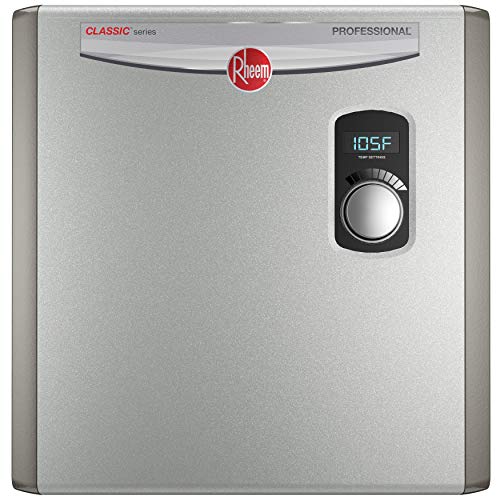
Best for households with sufficient electrical service looking for a dedicated electric option. This unit requires three 40‑amp double‑pole breakers and a 200‑amp service recommendation. The RTEX‑24 provides continuous hot water, with a 1‑degree step adjustable temperature control from 80–140°F. Groundwater temperature impacts temperature rise and gallons per minute, so performance varies by location. Ideal for homes with robust electrical capacity and high demand at multiple points of use.
Who it’s best for: homes with strong electrical capacity and a need for reliable on‑demand hot water across several outlets. Caution: high electrical load may require panel upgrades or careful electrical planning.
VELPAX Propane Tankless Water Heater, 4.21 GPM

This propane unit delivers up to 4.21 GPM with a maximum temperature rise of 65°C (149°F) and multiple safety protections, including flame failure and overheating protections. It operates at a low pressure of 3.6 PSI water input, suitable for gas‑heated homes needing strong on‑demand performance. Best for households that prefer propane and seek compact, durable construction with a digital display for temperature control.
Who it’s best for: homes with propane supply and a need for quick, steady hot water for multiple outlets. Caution: propane units require proper ventilation and gas line sizing.
Rheem 18kW 240V Tankless Electric Water Heater
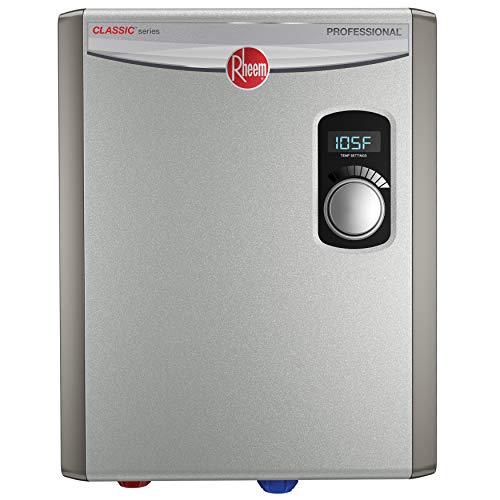
Electric model with external digital thermostatic control and LED display. It supports self‑modulation to adjust power to match hot water demand and uses durable copper immersion elements. Flow rate can reach up to 4.4 GPM, making it a practical choice for mid‑sized households seeking reliable electric on‑demand water heating without a gas line. Best for: homes with existing 240V electrical capacity seeking precise temperature control. Limitation: performance depends on circuit capacity and electrical planning.
Ranein 18kW Electric Tankless Water Heater

Compact 18 kW electric unit designed for space‑saving installations. Requires two dedicated 240 V circuits and 2 × 40 A breakers. Delivers up to 4.3 GPM with 99% thermal efficiency and a built‑in LED temperature display. Best for: small homes or apartments needing reliable on‑demand hot water without a bulky tank. Limitation: two circuits must be sized correctly to avoid overload during peak use.
NOVIEEX 4.3 GPM Natural Gas Tankless Water Heater

Gas‑powered on‑demand water heater delivering up to 4.3 GPM with 100,000 BTU input. Features precise temperature control from 95°F to 149°F with ±1°F accuracy and a digital thermostat. Designed for indoor installation and multi‑point use, appealing to households with natural gas access seeking steady hot water. Best for: households that require simultaneous hot water at multiple outlets on a gas line. Caution: ensure proper venting and gas sizing per installation guidelines.
Buying Guide: Key Considerations For 4 GPM Tankless Water Heaters
Fuel source and installation: Choose electric models if you have ample 240V circuits and a robust electrical panel. Opt for gas or propane models if gas supply is readily available and space or venting constraints favor gas heating.
Water inlet temperature and climate: In colder climates, incoming water is colder, which can reduce actual GPM. Verify the unit’s temperature rise capability and select a model that maintains comfort at your typical inlet temps.
Electrical or gas capacity: Electric units demand adequate breaker capacity and wiring (often 2×40A circuits for 18 kW models). Gas units require venting, gas line sizing, and proper exhaust considerations.
Outlets and usage patterns: For 2–3 simultaneous uses (shower, sink, and laundry), look for units rated around 4 GPM or higher. If you have more simultaneous demands, consider a higher‑flow model or staged heating strategy.
Installation space: Tankless units are compact, but mounting location, venting (gas), and electrical access influence selection.
Frequently Asked Questions
- What does GPM mean in tankless water heaters? GPM stands for gallons per minute and indicates the maximum hot water flow the unit can deliver under specific conditions.
- Can a 4 GPM heater supply two showers at once? It depends on inlet water temperature and fixture flow rates. In many homes, 4 GPM can support two modest fixtures simultaneously, but colder inlet water reduces effective GPM.
- Is electric better than gas for tankless water heaters? Electric units are easier to install in homes with sufficient electrical capacity; gas units can deliver higher flow for multi‑outlet use but require venting and gas installation.
- Do I need a professional to install a tankless water heater? Installation may require licensed electrical or plumbing work, especially for high‑power electric units or gas venting. Check local codes and warranty requirements.
- How does temperature rise affect performance? Higher temperature rise (difference between inlet and outlet) lowers the achievable GPM; colder climates reduce practical flow at a given unit.
- Do these units come with warranties? Warranty terms vary by model and manufacturer; refer to product pages for specifics.