Choosing the right 45,000 BTU garage heater can mean the difference between a chilly workspace and a comfortably heated area all year round. This guide compares top models, focusing on reliability, fuel type, installation options, and efficiency. The selected products are commonly used in residential garages, workshops, and light commercial spaces, offering solid performance without excessive energy use. Use the buying guide to weigh venting needs, mounting options, and safety features before making a decision.
| Product | Brand | BTU | Fuel | Notes |
|---|---|---|---|---|
| Modine HD45AS0111 Natural Gas Hot Dawg Garage Heater | Modine | 45,000 | Natural Gas | Low profile, quiet, certified for multiple use cases |
| Reznor UDXC-45 45,000 BTU Gas Unit | 1HVAC | 45,000 | Propane/Natural Gas (indoor use) | Ceiling mount option, high efficiency |
| Modine HD45AS01-21 Direct Vent 45K BTU | Modine | 45,000 | LP Gas | Direct vent model for controlled exhaust |
| Original 540-Degree 45,000 BTU Tank Top Propane Heater | Mr. Heater | 45,000 | Propane | Portable, multi-directional radiant heat |
| Reznor UDXC-45 45,000 BTU Propane Indoor Unit | 1HVAC | 45,000 | Propane | Ceiling mount compatibility, efficient operation |
In the following sections, each product overview highlights key features, installation considerations, and what makes it suitable for a 45,000 BTU garage heater role. The goal is to help readers compare options quickly and confidently.
Modine HD45AS0111 45K BTU Hot Dawg
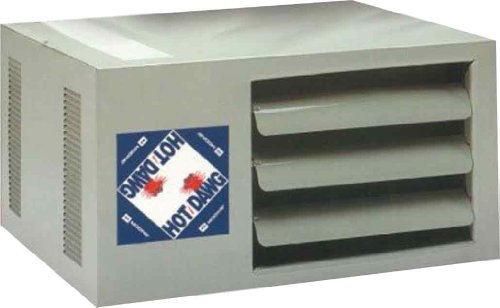
The Modine HD45AS0111 is a natural gas garage heater rated at 45,000 BTU, designed for quiet operation and broad use cases. It carries certifications for residential, commercial, and industrial settings, making it a versatile choice for garages, workshops, and other workspaces. Its low-profile design allows for unobtrusive placement, and the neutral gray color blends with most interiors. Venting requirements align with standard natural gas installations, and the unit emphasizes dependable heat output for mid-size spaces.
Installation considerations include ensuring proper clearance, adequate venting, and access for service. The heater is compatible with typical mounting configurations, and its efficiency supports steady temperature maintenance without excessive energy draw. Ideal for spaces up to several hundred square feet depending on climate and insulation, this model offers a balanced mix of performance and practicality for American garages.
Reznor UDXC-45 45K BTU Gas Unit

The Reznor UDXC-45 is a 45,000 BTU propane/natural gas indoor unit, ideal for garage and shop environments. It offers quiet forced-air operation and a ceiling-mount option, with a low-static propeller design to minimize air resistance and noise. The unit is designed for vertical or optional horizontal venting, accommodating varied installation layouts. Four suspension points provide secure installation, with mounting brackets sold separately. Efficiency is a key feature, delivering consistent heat while protecting energy costs in larger garage spaces.
Users should plan for proper clearances and ventilation, particularly when using propane. The indoor-rated construction supports durable operation in busy workshops, warehouses, and similar spaces. For those needing flexible mounting and reliable heat, the UDXC-45 provides a strong balance of capacity and installation adaptability.
Modine HD45AS01-21 Direct Vent 45K BTU

The Modine Direct Vent HD45AS01-21 provides 45,000 BTU for efficient space heating with a direct vent configuration. This model is designed to vent exhaust directly to the outdoors, offering improved air quality inside the workspace by reducing indoor venting concerns. It is suitable for garages and businesses seeking a robust heat source with venting control. The line emphasizes compatibility with natural gas supply and reliable performance in standard garage environments.
Considerations include vent length, exterior venting requirements, and ensuring that outdoor venting meets local codes. Direct vent models can be advantageous in spaces where indoor air quality and odor control are priorities. This unit presents a solid option for those seeking a fixed, efficient heat source with controlled exhaust.
Original 540-Degree 45K BTU Tank Top Radiant Heater

The Original 540-Degree Tank Top Radiant Propane Heater is a portable 45,000 BTU option designed for versatile heating in garages or outdoor-adjacent workspaces. Mounting is flexible, and radiant heat provides quick warmth to people and equipment in the immediate area. The heater mounts onto a standard 20-lb propane tank, offering straightforward portability for temporary heating needs or spaces without fixed gas lines. A multi-regulator setup enables controlling heat output across different settings.
Key considerations include safety features such as tip-over shut-off and stable mounting. Because this model is portable, it suits temporary projects or spaces without a dedicated permanent heater install. It can complement a fixed 45k BTU system in larger garages where modular heat is beneficial.
Reznor UDXC-45 45K BTU Propane Indoor Unit
The Reznor UDXC-45 is a 45,000 BTU indoor gas heater suitable for garages, shops, and light industrial spaces. It shares a similar design language with other UDXC models, including quiet operation and ceiling-mount compatibility. The 83% thermal efficiency rating supports cost-effective heating with consistent performance. The included features emphasize adaptability for commercial and residential settings alike, enabling reliable warmth without excessive space use.
When evaluating, consider ceiling clearance, mounting hardware, and the availability of a B-vent kit if required. This unit provides a reliable option for those prioritizing indoor gas heat with a structured mounting approach.
Buying Guide: Key Purchase Considerations and Comparisons
Fuel type and venting: Decide between natural gas, propane, or dual-fuel configurations. Direct vent units can improve indoor air quality, while traditional venting depends on your existing exhaust setup. Availability of gas lines and the cost of venting should influence the choice.
Space and layout: Evaluate the garage’s size, insulation, ceiling height, and workflow. 45,000 BTU is a robust capacity for mid-size spaces, but heat distribution matters. Ceiling-mount models often provide even heat and reduce footprint on garage floors.
Installation flexibility: Consider whether you need a fixed unit with permanent venting or a portable solution for occasional use. For workshops with varying needs, pairing a fixed 45k BTU heater with a portable radiant heater can offer both efficiency and versatility.
Efficiency and operating costs: Look for high thermal efficiency ratings and certifications. A unit rated around 83% efficiency can yield meaningful energy savings over time, especially in well-insulated garages.
Safety features and compliance: Verify tip-over protection, high-limit switches, and proper ventilation. Ensure the model meets local codes and installation guidelines, and plan for professional installation if required.
Maintenance and service access: Select models with accessible panels and clear service instructions. Regular inspection of gas lines, venting, and fans contributes to long-term reliability in garage environments.
Noise level and comfort: If the workspace is shared or used for quiet tasks, prioritize low-noise models with quiet forced-air operation. This is particularly important for long-running sessions in busy garages.
Cost of ownership: While prices vary, focus on long-term energy use, replacement parts availability, and warranty terms. A well-supported brand with parts readily available reduces total ownership costs.
Durability and compatibility: Check material build, corrosion resistance, and compatibility with existing mounting brackets or supports. A sturdy unit designed for garage duties will outperform kitchen or living-room heaters in this environment.
Summary: For a typical American garage, a 45,000 BTU gas heater with a direct vent or ceiling-mount option can deliver reliable warming without excessive energy use. Choosing between natural gas and propane will depend on your gas availability and venting constraints. A mix of fixed and portable heating options can offer the best balance of efficiency and flexibility.