Choosing the right thermostat for 240V baseboard heating can improve comfort, energy use, and system life. This guide highlights five reliable options suited for high-voltage electric bases, including programmable and non-programmable models, line- and single/double-pole configurations, and smart Wi-Fi control. Each product section explains key features to help you compare performance, compatibility, and ease of installation.
| Product | Voltage | Type | Smart/Programmable | Notes |
|---|---|---|---|---|
| Mysa Smart Thermostat LITE | 120V-240V | Line Voltage | Wi-Fi Smart | DIY install; HomeKit/Alexa/Google |
| Cadet F Series BTF2W | 120/208/240V | Double Pole Built-In | Non-Smart | Easy end-mounting |
| Meross Smart Thermostat (High Voltage) | 120V-240V | Smart | Wi-Fi | Apple HomeKit/Alexa/Google |
| Mysa Smart Thermostat 240V | 120V-240V | Line Voltage | Wi-Fi Smart | Remote control; four-wire required |
| Honeywell TL7235A1003 | 240V | Line Voltage Digital | Digital, non-programmable | Backlit display; low-noise |
Below are five products that provide solid compatibility with 240V baseboard heating, balancing control, ease of use, and install practicality for American homes.
Mysa Smart Thermostat LITE For 120V/240V Bases
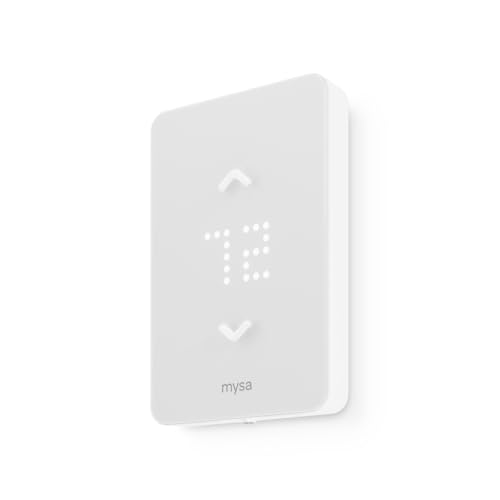
The Mysa LITE thermostat offers Wi-Fi control for high-voltage baseboard heaters, including 120V, 208V, and 240V configurations. It supports single-pole and line-voltage installations and provides remote access, scheduling, energy reports, and smart integrations without subscription fees. A straightforward app experience makes remote temperature management simple, while compatibility with HomeKit, Alexa, and Google ensures voice control and automation opportunities.
Honeywell Home CT410B Manual Line-Voltage Thermostat
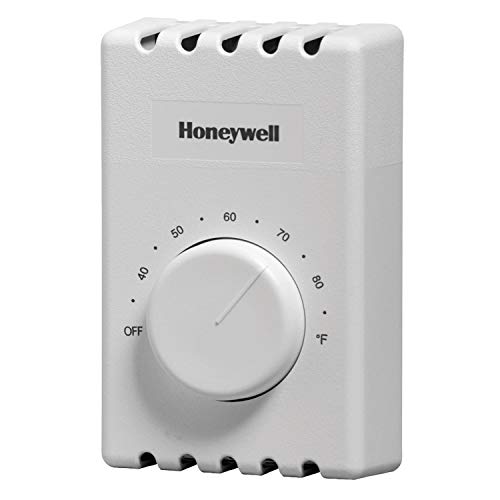
This non-programmable line-voltage thermostat supports 120–240V electric baseboards and convectors with a simple, reliable bimetal sensor. It is designed for straightforward operation and durability, making it a good option where minimal adjustments are expected. The manual dial provides a familiar control interface for steady, predictable heating without smart features or automation.
Cadet F Series BTF2W Double Pole Thermostat

The Cadet BTF2W is a double-pole, built-in thermostat designed for Cadet F series baseboard heaters. It offers a broad 45°F to 80°F (7°C to 27°C) range and uses a user-friendly twist dial. Installation is streamlined, mounting to either end of the baseboard heater to minimize wiring steps. Its design emphasizes reliable temperature control within Cadet-compatible systems.
Honeywell TL7235A1003 Pro Line Volt Digital Thermostat

The TL7235A1003 is a line-voltage digital thermostat for 240V systems, offering an on-demand backlight for visibility in various lighting conditions and a clear heating indicator. While non-programmable, its digital temperature control reduces mechanical wear and provides more consistent performance than traditional dial-based models. It suits places where a durable, simple-to-use thermostat is preferred without automation features.
YeloDeer 240V Four-Wire Manual Baseboard Thermostat
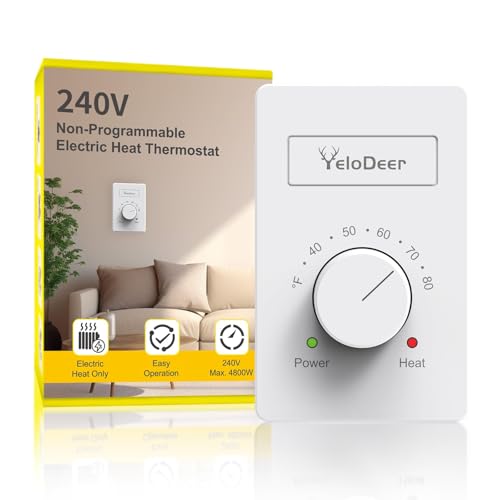
The YeloDeer 240V four-wire manual thermostat emphasizes a sleek design and accurate control for max 4800W heating systems. With a large adjustment knob and a whitespace-friendly finish, it blends with common baseboard installations. Its extended 40°F to 80°F (4.4°C to 26.7°C) range offers flexible comfort tuning for various room conditions, with straightforward wiring suitable for standard 240V setups.
Mysa Smart Thermostat For 240V Baseboards

The Mysa 240V version expands smart control to high-voltage baseboards. It supports Wi-Fi remote management, temperature and humidity alerts, and compatibility with HomeKit, Alexa, and Google Home. It requires a four-wire setup (including a neutral or second live) for full functionality and higher-load capabilities (up to 3800W at 240V). The device is compact, with an adaptive display and energy-monitoring options that aid in efficient heating schedules.
Buying Guide: Key Considerations For 240V Baseboard Thermostats
- Voltage and wiring compatibility: Ensure the thermostat supports 240V or the specific voltage of your baseboard system (120/208/240 as needed). Some models are single- or double-pole; double-pole designs generally provide more complete isolation.
- Programmable features vs. manual control: Decide between non-programmable thermostats for simplicity and digital/programmable models for scheduling, energy savings, and automation.
- Smart connectivity: If remote control or voice control matters, choose devices with Wi-Fi or hub-based integrations (HomeKit, Alexa, Google Home, SmartThings). Check if a subscription is required (most listed here do not).
- Installation and wiring requirements: Some high-voltage thermostats require four wires (including neutral or second live). Others mount directly at the heater end with simpler wiring. Confirm compatibility with your baseboard model and installation space.
- Display readability and user interface: Backlit or digital displays aid visibility in varying lighting. Consider backlight options if the thermostat will be installed in dim areas or hallways.
- Temperature range and control: Look for a comfortable operating range (commonly around 40–80°F or 4–27°C) and a knob or dial that suits your preference for quick adjustments or precise tuning.
- Reliability and durability: For electric baseboards, a robust build and stable temperature regulation reduce wear on the heater and improve overall comfort.
- Energy reporting and insights: Smart models often include energy usage reports. This data can help you optimize schedules and reduce heating costs.
- Brand support and warranty: Select brands with solid customer support and reasonable warranties to protect the investment in a heating system upgrade.