When winter temperatures plunge, keeping vehicle batteries warm is essential for reliable starts. Battery heaters and blankets provide targeted warmth to help maintain cold-cranking amps and prevent sluggish starts. The following handpicked selection highlights five top-value options designed to fit various battery setups, from compact silicone pads to full 36-inch blankets. Each product is selected for safety, effective heat distribution, and ease of installation, ensuring you’ll find a practical solution for your vehicle or equipment.
| Product | Brand | Type | Approx. Wattage | Notes |
|---|---|---|---|---|
| Zerostart 2800063 Electric Battery Blanket | Zerostart | Battery Blanket | 80W | 36″ long, CSA approved |
| Nkiy Quen Silicone Battery Pad | Nkiy Quen | Thermostatic Pad | Depends on model | Low-profile, auto thermostat |
| Facon Silicone Battery Heater Pad | Facon | Thermostatic Pad | 60W | 8-1/2″ x 5-1/2″ |
| Maichis Silicone Battery Heater Pad | Maichis | Thermostatic Pad | 60W | 8-1/2″ x 7-7/8″ |
| BMI 36″ Battery Blanket Warmer | Bostic Motors Inc. | Battery Blanket | 80W | 36″ wrap with ties |
Zerostart 2800063 Electric Battery Blanket

The Zerostart 2800063 is a battery blanket designed to keep the battery core warm, improving cold-weather starts. It uses 80 watts of heat and features a 36-inch length to cover most battery housings. The blanket includes a 30-inch ground cord for flexible installation and is CSA approved, emphasizing safety in automotive environments. By maintaining a 60–70 degree delta above ambient, it supports quick starts in chilly conditions while remaining compact enough for protected installations.
Nkiy Quen Silicone Battery Pad With Thermostat
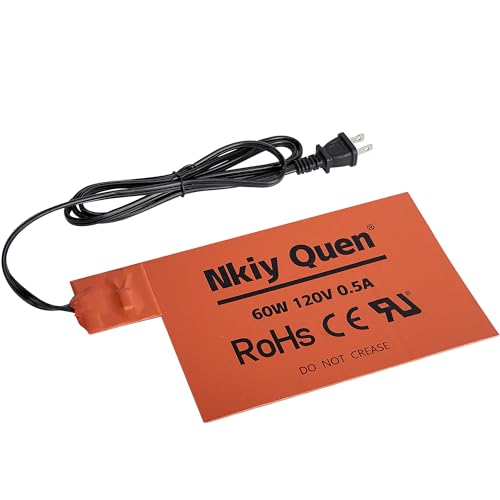
This automotive silicone battery pad from Nkiy Quen focuses on efficient, uniform heating directly at the battery bottom. The built-in thermostat helps regulate temperature to around 122°F, preventing overheating while supporting cold starts. The pad’s compact 8.2 x 5.5 inch footprint makes it a versatile fit for many battery trays, and its ultra-thin construction minimizes space intrusion. Expect 15–20 minutes of continuous heating for best effect in cold environments, with minimal risk of battery damage when used as directed.
Facon 8-1/2″ x 5-1/2″ Silicone Battery Heater Pad
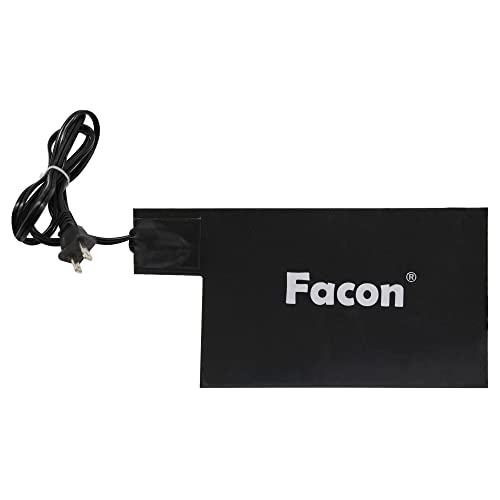
The Facon battery heater pad provides consistent protection as cold weather approaches. This 8-1/2″ by 5-1/2″ pad plugs into 120V AC and runs up to 60 watts. It features a built-in thermostat that turns off at about 68°F (±10 degrees), which helps prevent overheating. The unit is designed for durability with a silicone-coated surface offering resistance to oil, acids, and wear. A long 72-inch power cord keeps installation flexible across different vehicle layouts.
Maichis Silicone Battery Heater Pad With Thermostatic Control

The Maichis heater pad uses thermostatic control to regulate temperature, with an on temperature of 32°F and an off temperature of 122°F. Built from durable silicone, the pad is designed for automotive battery heating and provides reliable warmth while keeping energy consumption reasonable at 60W on a 120V supply. It is intended for straightforward use and long-term durability, helping to preserve battery performance in cold start conditions.
BMI 36/80W Battery Blanket Warmer

The BMI 36-inch battery wrap offers an easy installation process through included ties and a brass grommet that protects the insulation from wear. This 80-watt blanket is designed to wrap around the battery, delivering targeted heat to maintain cranking capability in frigid weather. Its straightforward design makes it suitable for a range of battery sizes and configurations where a full-wrap solution is preferred for consistent warmth during cold starts.
Buying Guide: Key Purchase Considerations
- Heat output and coverage — Larger blankets provide broad warmth for big battery banks, while silicone pads target specific battery bottoms. Choose based on battery size and installation space.
- Temperature control — Thermostatic control helps prevent overheating and prolongs battery life. Look for devices with safe cut-off temperatures and clear operating ranges.
- Power source compatibility — Most products run on 120V AC or are used in a vehicle’s accessory circuits. Ensure your vehicle electrical system can support the heater without overloading circuits.
- Durability and materials — Silicone pads resist battery acid and harsh conditions; blankets should have robust insulation and secure fastenings to withstand vibration.
- Installation ease — Long cords, grommets, and ties simplify mounting. Consider whether the unit requires permanent mounting or a temporary setup.
- Safety certifications — Look for CSA or UL listings and manufacturer instructions that emphasize safe operation in automotive environments.
- Space constraints — For compact battery compartments, low-profile pads are ideal; for larger batteries, a blanket offers broader coverage.
- Maintenance and longevity — Durable materials and simple replacement parts extend the life of the heater system in an automotive setting.
- Warranty and support — A clear warranty and accessible customer support help address installation questions or component failures.
With a range of options from compact silicone pads to full-length blankets, these battery heaters are designed to help American drivers maintain reliable starts in cold weather. When selecting a model, consider your battery size, space constraints, and desired level of heat to ensure a dependable, cost-effective solution.