When cold weather hits, a convection garage heater can quickly turn a chilly space into a comfortable workspace. This article highlights five top options that blend efficiency, safety, and practical design for American garages, workshops, and construction sites. Each product section includes key features to help you compare performance, fuel source, and installation style.
Summary of chosen products:
| Product | Type | Heating Capacity | Notable Benefit | |
|---|---|---|---|---|
| Mr. Heater MH25CVX | Convection Propane Heater | 25,000 BTU/hr | Propane | No electricity required; versatile coverage up to 625 sq ft |
| Reekie Electric Space Heater | Electric Convection Heater | 1500W (approx. 5120 BTU/hr) | Electric | Ultra-quiet operation; 360° warmth |
| ProTemp 80,000 BTU LP | Propane Convection Heater | Up to 80,000 BTU | Propane | Heats up to 1800 sq ft; large-space efficiency |
| Dyna-Glo WK95C8 | Kerosene Convection Heater | 23,800 BTU | Kerosene | No electricity needed; compact indoor/outdoor use |
| Comfort Zone 7,500W Ceiling Mount | Hard-Wired Convection Ceiling Heater | 7,500 W | Electric | Ceiling-mounted for space savings; up to 1250 sq ft |
Mr. Heater MH25CVX Propane Convection Heater
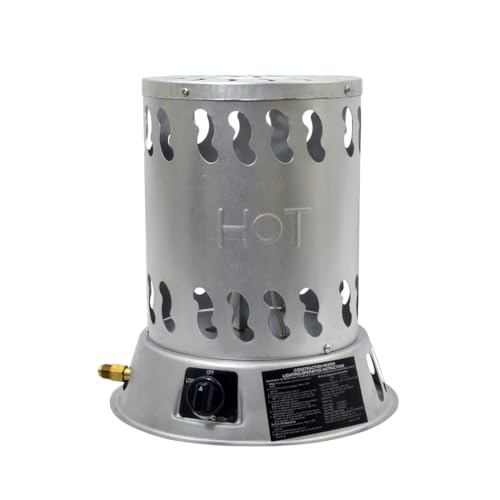
This 25,000 BTU/hr convection propane heater is designed for garages, job sites, workshops, and outdoor use. It covers up to 625 square feet and can run for extended periods on a 20-pound propane tank. A standing pilot light and thermo-electric safety valve provide safety, while operation does not require electricity, making it reliable in any setting. Setup is simple with a 10-foot hose, regulator, and P.O.L. tank connection, plus Piezo ignition for quick warmth with a push.
Reekie Electric Space Heater For Indoor Use

Engineered for fast, efficient warmth, this electric convection heater delivers 1500 watts of heat, with a claimed efficiency around 96.53%. Its 360-degree heating design distributes warmth across the room, making it suitable for living rooms, garages, and offices. At ultra-quiet levels, it keeps noise and dust disturbance to a minimum, supporting comfortable work or study environments without distraction.
ProTemp 80,000 BTU LP Propane Convection Heater

Ideal for large garages, barns, and workshops, this propane convection heater delivers up to 80,000 BTU and works with a 20-pound propane tank. It provides robust heating for spaces up to around 1,800 square feet, with emphasis on even heat distribution for demanding environments. The CSA certification indicates adherence to established safety standards for propane-powered heating in open or semi-enclosed spaces.
Dyna-Glo WK95C8 Indoor Kerosene Convection Heater

With 23,800 BTU, this kerosene-based convection heater heats up to 1,000 square feet and does not require electrical power. Its versatility makes it suitable for both indoor and outdoor use when ventilation is appropriate. The device emphasizes independent warmth, which is advantageous during power outages or in spaces where electric heaters are impractical.
Comfort Zone Ceiling Mount 7,500W Garage Heater

This hard-wired, ceiling-mounted heater optimizes space by keeping the floor clear while delivering comfortable heat to large areas. With a 7,500-watt capacity and a heating range up to approximately 1,250 square feet, it uses adjustable louvers and precise airflow control to direct warmth where needed. Features like a digital thermostat, 12-hour timer, and overheat protection combine to support safe, energy-conscious operation in garages and workshops.
TEMPWARE Electric Garage Heater, 7,500W
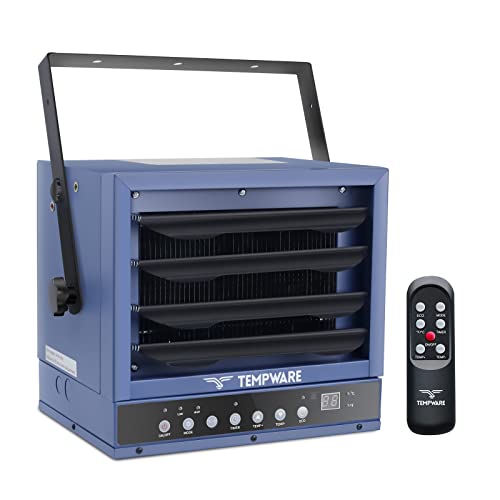
With two heat settings and adjustable louvers, this 7,500-watt heater can heat up to around 1,250 square feet. It features a built-in thermostat, ECO mode for energy efficiency, and a programmable 12-hour timer. The device includes a safety-minded design with overheating protection and a remote for convenient control, suitable for workshops and larger garages.
Dyna-Glo RMC-LPC200DG 50,000–200,000 BTU Heater
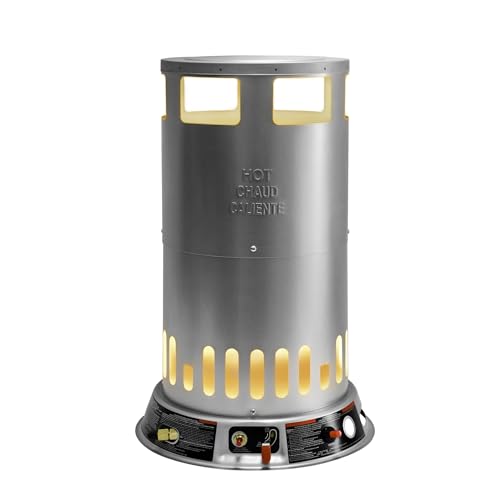
This wide-range liquid propane convection heater offers substantial heating capability from 50,000 to 200,000 BTU, suitable for very large spaces. It can heat up to around 4,700 square feet with appropriate ventilation, making it a strong option for expansive workshops or semi-outdoor environments that require robust warmth and flexible fuel scaling.
Buying Guide: Key Considerations When Choosing a Convection Garage Heater
- Fuel type and availability: Propane, kerosene, electric, and hybrid options each have trade-offs. Propane units work without electricity but require a tank and ventilation. Electric models depend on power availability and can be quieter and cleaner, ideal for enclosed spaces. Consider your garage size and existing utilities.
- Space and heating capacity: Match BTU or wattage to your area. Large spaces require higher BTUs; smaller sheds may only need 10,000–20,000 BTU. If you frequently work in cold extremities, a model that distributes heat evenly across 800–1,800 sq ft is advantageous.
- Ventilation and safety: Propane and kerosene units need ventilation and proper clearance from combustibles. Look for CSA/UL certifications and safety features like tip-over protection, overheat protection, and flameout shutoffs to minimize risk.
- Electrical requirements and installation: Ceiling-mounted electric units save floor space but require hardwiring and a suitable circuit. Portable propane or kerosene heaters offer mobility but demand safe storage and setup considerations.
- Noise level and comfort: Electric convection heaters tend to be quieter, which can enhance focus in a workshop. If you work long hours in your space, consider noise-sensitive options.
- Fuel efficiency and runtime: For propane and kerosene models, tank size and efficiency affect operational cost and downtime. For electric heaters, look for thermostats, ECO modes, and timers to optimize energy use.
- Durability and warranty: Heaters designed for harsh workshop environments should have rugged housings and protective features. Check warranty terms to understand coverage for parts and service.
Choosing the right convection heater involves balancing space, fuel availability, and safety. The five options highlighted here represent a spectrum from portable electric models to robust propane and kerosene units designed for demanding garage and workshop conditions. Always follow manufacturer guidelines for installation, ventilation, and operation to ensure safe and efficient heating throughout the season.