Diesel and kerosene torpedo heaters offer powerful, portable warmth for large indoor spaces like workshops, garages, and barns. This article highlights five top options, compares efficiency and runtime, and provides practical buying guidance to help you choose a model that safely and effectively keeps spaces warm during cold seasons.
| Product | Brand | BTU / Heat Output | Fuel Type | Approx. Runtime |
|---|---|---|---|---|
| VEVOR Kerosene Forced Air Heater | VEVOR | 215,000 BTU | Kerosene / Diesel | Noted with features; runtime varies by fuel and tank size |
| SUNFIRE Radiant Heater SF80 | Sunfire | 80,000 BTU | Diesel / Kerosene | Approx. 10 hours on a full tank |
| GarveeHome 125,000 BTU Torpedo Heater | GarveeHome | 125,000 BTU | Kerosene / Diesel | Up to about 8 hours with a full tank |
| PioneerWorks 175,000 BTU Heater | PioneerWorks | 175,000 BTU | Kerosene / Diesel | Approximately 11 hours at normal usage |
| Towallmark 125,000 BTU Heater | Towallmark | 125,000 BTU | Kerosene / Diesel | Up to 8 hours per full tank |
Note: Each product supports multiple fuels and includes safety features such as thermostats and auto shutoffs. Always follow the manufacturer’s ventilation and safety guidelines when used indoors.
VEVOR Kerosene Forced Air Heater

- Brand: VEVOR
- BTU: 215,000
- Fuel options: Kerosene or Diesel (one type at a time)
- Tank: 13.2 gallons
- Features: Thermostat, room display, overheat protection, dual fuel filters, fuel gauge
The VEVOR model provides high-output heat for large spaces and includes a thermostat to maintain consistent temperatures. Its dual-fuel compatibility offers flexibility in fuel choice while emphasizing safety features for indoor use. Proper ventilation remains essential in confined areas.
SUNFIRE Radiant Heater SF80

- Brand: Sunfire
- BTU: 80,000
- Fuel options: Diesel or Kerosene
- Runtime: Up to ~10 hours on a full 6-gallon tank
- Features: No smell, quiet operation, radiant heat for enclosed spaces
SunFire’s radiant design reduces fumes and noise and is well-suited for indoor shops and garages where airflow is limited. While it delivers lower BTU than some torpedo units, its odor control and quiet operation make it a practical indoor option for moderate spaces.
Garveehome 125,000 BTU Heater
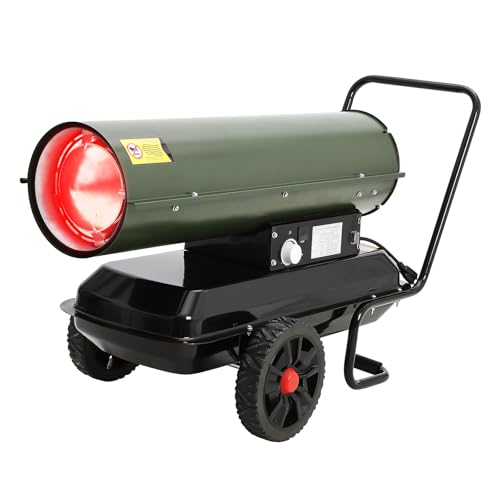
- Brand: GarveeHome
- BTU: 125,000
- Fuel options: Kerosene, Diesel, or alternative fuels (avoid gasoline)
- Fuel capacity: 26L / 6.87 gallons
- Features: Thermostat, portable design, suitable for outside and job sites
GarveeHome emphasizes a high output with a sizeable fuel tank for longer runs. It supports multiple fuels, but fuel choice should align with safety guidelines and local ventilation requirements when used indoors.
PioneerWorks 175,000 BTU Heater

- Brand: PioneerWorks
- BTU: 175,000
- Fuel options: Kerosene or Diesel
- Tank capacity: 51L / ~11 gallons
- Features: Thermostat, long runtime, fuel gauge, large heat area
As a high-capacity option, the PioneerWorks heater targets very large spaces, delivering robust warmth for workshops and industrial settings. Care should be taken to ensure adequate ventilation and adherence to safety guidelines for indoor operation.
Towallmark 125,000 BTU Heater
- Brand: Towallmark
- BTU: 125,000
- Fuel options: Kerosene or Diesel
- Tank capacity: 26L / 6.87 gallons
- Features: Thermostat control, portable design, suitable for outside and job sites
Towallmark emphasizes durable construction and flexible fueling with a compact form factor. For indoor use, ensure proper clearance, ventilation, and adherence to safety instructions to minimize emissions and heat buildup in enclosed spaces.
PioneerWorks 80,000 BTU Heater
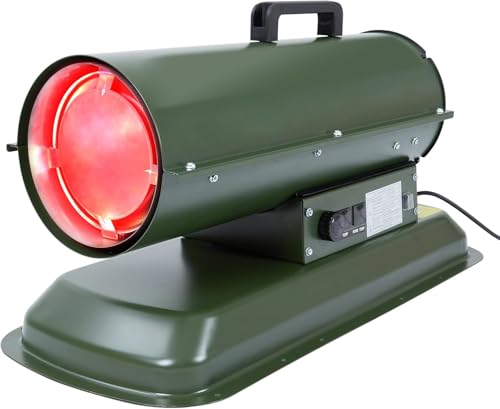
- Brand: PioneerWorks
- BTU: 80,000
- Fuel options: Kerosene or Diesel
- Tank capacity: 4.76 gallons
- Features: Thermostat, portable, suitable for job sites
This model offers a balance of portability and warmth for mid-sized indoor spaces. Its smaller footprint makes it easier to position in garages or workshops with adequate ventilation and exhaust management.
Buying Guide: Key Purchase Considerations
- Heat output vs. space: Match the BTU rating to the room size. Higher BTUs heat larger areas but require more fuel and ventilation planning.
- Fuel flexibility: Many units support kerosene or diesel. Confirm you can safely store and handle your chosen fuel and follow local safety codes for indoor use.
- Safety features: Look for thermostats, low-fuel auto shutoffs, overheat protection, and anti-tip designs to reduce risk in workshop environments.
- Ventilation needs: Indoor heating with combustion requires proper ventilation. Consider exhaust routing, carbon monoxide considerations, and space airflow.
- Runtime and tank size: Larger tanks extend runtime but add weight and footprint. Plan refill logistics for continuous work periods.
- Portability and setup: If you move the heater between rooms or sites, evaluate weight, casters, and assembly complexity.
- Noise and odor: Radiant models often run quieter and with fewer odors than forced-air torpedo heaters. Factor comfort and indoor air quality.
- Durability and warranty: Industrial-grade units often include longer warranties and rugged construction suitable for job sites.
- Maintenance: Check fuel filters, air intake, and cleaning requirements to maintain performance and reduce odors.