Winter weather can turn driveways and walkways into slippery hazards. This guide highlights top driveway heater mats that melt snow and ice efficiently, reduce shoveling, and keep paths safer. We compare installation, energy use, and durability to help you choose the right system for your home.
| Product | Brand | Approx. Coverage | Power | Key Benefit |
|---|---|---|---|---|
| HeatTrak Heated Snow Melting Mats (30” x 60”) | HeatTrak | Walkways/Driveways | 120V | Large area coverage; durable, energy-efficient |
| ANWEOR Heated Snow Melting Mats (10 ft x 13 in) | ANWEOR | Walkways/Entrances | 110V-120V | Graphene heating for precise control |
| HETFOENT 5 Pcs Heated Mats (10 x 30 in each) | HETFOENT | Stairs/Walkways | 120V | Rapid heating with anti-slip design |
| Toriexon Snow Melting Mats (30 x 48 in) | Toriexon | Entrances/Paths | 120V | UL/ETL certified power components |
| WarmlyYours 3×15 ft PowerMat | WarmlyYours | Longer runways/Multiple entryways | 120V | Embedded under surfaces for invisibility |
Note: This article presents objective product details to help you compare features such as heating speed, installation, safety certifications, and energy efficiency. All product links point to official Amazon listings for reference.
HeatTrak Heated Snow Melting Mats (30” x 60”)

HeatTrak mats are designed to withstand harsh winter conditions with a corrosion-resistant, durable surface. They are easy to install and require minimal maintenance, enabling safer outdoor surfaces without manual shoveling or salt spread. The mats melt snow at roughly 2 inches per hour and operate efficiently compared to traditional systems, with surface temperatures rising to about 40 degrees Fahrenheit above ambient when needed. They function effectively down to -8 degrees Fahrenheit, giving reliable performance in cold climates. Ideal for large walkways and decks, these mats provide a hands-off approach to snow and ice management.
ANWEOR Heated Snow Melting Mats Outdoor (10 ft x 13 in)

ANWEOR’s mats combine a large surface with graphene heating technology for precision energy control. The 10 ft by 13 inch mat includes a 14.7 ft power cord and a standard 110V-120V plug, providing straightforward installation. It melts snow at around 3 inches per hour and maintains higher surface temperatures during operation, offering faster clearance with lower energy use relative to traditional systems. The graphene-based design emphasizes efficient heat distribution and reduced energy waste.
HETFOENT 5 Pcs Heated Mats (10 x 30 in each)

This 5-piece set provides rapid heating up to around 120°F, designed for outdoor stairs and doorways. The anti-slip SBR material offers safety, and an IP68 waterproof rating supports use in wet conditions. Each corner includes mount holes for secure placement, while the leakage protection plug adds an extra layer of safety. The system emphasizes quick action, strong traction, and reliable operation in icy conditions, with a focus on flexibility for varying entry layouts.
Toriexon Snow Melting Mats Outdoor (30 x 48 in)

The Toriexon mats are built with premium PVC and provide about 2 inches per hour melting capability at 120V. The package includes a power cord, and all electrical components are certified UL and ETL, ensuring safety and compliance for outdoor use. This setup targets entryways and smaller walkways, offering a balance between size, power, and certification for dependable snow management in moderate spaces.
WarmlyYours 3×15 ft PowerMat
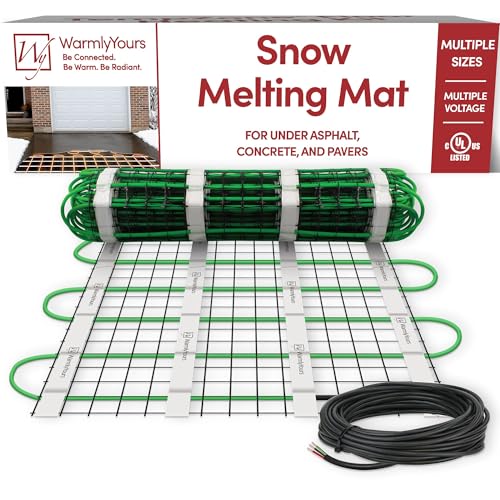
WarmlyYours PowerMat is designed for embedded installation under asphalt, concrete, or pavers, making it a discreet option for longer driveways and sidewalks. The system uses twin-conductor heating cables approved for outdoor use and CSA-certified safety. Its installation approach supports larger, continuous surfaces—helpful when you want to maintain clear routes across multiple areas without visible equipment. It performs well in combination setups, enabling targeted or full-coverage solutions depending on climate and traffic.
Buying Guide: Key Purchase Considerations
- Coverage and layout: Determine whether you need targeted mats for entryways or full-coverage solutions for entire driveways. Larger mats offer convenience for broad pathways, while modular sets allow phased installations.
- Power and electrical safety: Verify voltage requirements (most listed are 110-120V) and ensure outdoor-rated components with proper waterproofing. UL/ETL certifications indicate reliable safety compliance.
- Heat output and speed: Look at melting rate (inches per hour) and surface temperature range. Faster melting saves time but can increase energy use; balance with insulation and climate.
- Durability and weather exposure: Choose corrosion-resistant materials and IP ratings suitable for freezing, moisture, and temperature swings. Long-lasting mats reduce maintenance costs.
- Installation and maintenance: Consider whether mats are plug-and-play or require professional installation. Some systems allow seasonal deployment, while embedded solutions stay in place for the long term.
- Energy efficiency: Energy use varies by design. Graphene or advanced heating elements may improve efficiency. Compare estimated operating costs based on usage patterns and local climate.
- Safety features: Anti-slip surfaces, leakage protection, and robust cord management help minimize risk on icy surfaces. Ensure cords and connectors are protected from water exposure.
- Compatibility with surfaces: Some mats are designed for concrete, asphalt, or pavers; others are portable for walkways and stairs. Match the product to your installation surface.
When selecting a driveway heater mat system, consider the geometry of your entry points, the typical winter severity, and whether you prefer a surface-installed unit or an embedded installation. Each option offers different trade-offs between upfront installation effort, ongoing energy costs, and alignment with your outdoor space.