Electric heat pump water heaters offer a high-efficiency alternative to standard electric models by pulling heat from the air to warm water. This guide highlights five reliable options, explaining who each is best for and why. Use this as a quick reference to compare capacity, energy efficiency, and first-hour delivery when planning a family-friendly upgrade.
Summary table of selected products:
| Product | Brand | Capacity | UEF | First Hour Delivery | Best For |
|---|---|---|---|---|---|
| Senville 50 Gallon Hybrid | Senville | 50 gal | 3.75 | 69 gal | Medium to large households seeking major energy savings |
| Rinnai REHP80 Electric HP Water Heater | Rinnai | 80 gal | 4.00 | 91 gal | Large households with high hot water demand |
| Rinnai REHP50 Electric HP Water Heater | Rinnai | 50 gal | 3.75 | 73 gal | Families and small to mid-size homes |
| Rinnai REHP65 Electric HP Water Heater | Rinnai | 65 gal | 3.90 | 80 gal | Medium to larger households with peak usage |
| ACiQ Electric 50 Gallon HP Water Heater | ACiQ | 50 gal | Not specified | Not specified | Basements or garages with stable indoor temps |
Senville 50 Gallon Hybrid Heat Pump Water Heater
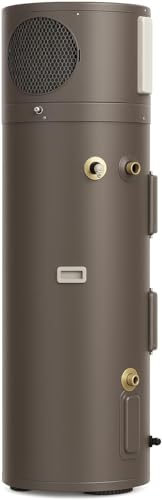
The Senville 50 Gallon Hybrid uses heat pump technology to extract heat from the surrounding air, delivering significant electricity savings. With a 3.75 UEF and a 69-gallon First Hour Rating (FHR), it provides dependable hot water for households that regularly run multiple showers and loads of laundry. This model is best for medium to large homes where energy costs are a key concern, and hot water demand is steady throughout the day. A potential limitation is that performance can be influenced by ambient temperatures; cooler spaces may reduce efficiency.
Rinnai REHP80 Electric Heat Pump Water Heater

The REHP80 is an 80-gallon unit designed for households with high hot water needs. Its Energy Star certification and a high UEF of 4.00 support low operating costs. It delivers up to 91 gallons in the first hour, making it suitable for larger families or homes with frequent peak usage. It also offers demand-response capability to communicate with utilities and reduce electricity use during peak periods. Choose this if you need substantial hot water capacity while still prioritizing energy efficiency; a potential limitation is size and installation footprint in smaller spaces.
Rinnai REHP50 Electric Heat Pump Water Heater

The REHP50 offers 50 gallons of capacity with a 3.75 UEF and up to 73 gallons in the first hour. It is best for families in smaller to mid-size homes who still want energy-efficient performance and reliable supply during busy mornings. Its demand-response feature helps reduce energy bills by adjusting usage during peak times. A consideration is that the unit’s performance scales with household demand; very high concurrency may favor larger models.
Rinnai REHP65 Electric Heat Pump Water Heater

The REHP65 provides 65 gallons of storage with a 3.90 UEF and up to 80 gallons of first-hour delivery. It is well-suited for households of 4–5 people with higher demand, offering a robust balance of size and efficiency. The model includes demand-response support to cut energy use during peak periods. If your space is limited, this medium-large option may require careful installation planning to fit comfortably.
ACiQ Electric Residential Hybrid 50 Gallon Water Heater

The ACiQ 50-gallon hybrid focuses on indoor installations in basements or garages with stable temperatures. It emphasizes quiet operation and requires adequate air circulation, making it a practical choice for spaces that maintain moderate temperatures. This model is best for customers prioritizing a compact footprint and simple placement; however, the data does not specify an official UEF, so verify efficiency during installation planning.
Buying Guide: Key Purchase Considerations
- Energy Efficiency: Compare UEF ratings to estimate operating costs. Higher UEF generally means lower electricity use for hot water generation.
- Capacity and First Hour Delivery: Match tank size and FHR to your household’s peak hot-water needs. Larger families benefit from bigger tanks and higher FHR.
- Space and Ventilation: Heat pump water heaters need space for air circulation. Check installation area, temperature stability, and noise considerations.
- Demand Response: Some models can interact with utility programs to lower energy use during peak times. Consider if this feature aligns with your utility options.
- Ambient Conditions: Heat pumps work best in warmer indoor environments. In cooler spaces, performance can drop, so place units in heated basements or garages if possible.
- Installation Footprint: Evaluate the physical size and door clearance, and ensure there is access for maintenance and connections in your planned location.
- Warranty and Service: While the data here avoids warranties, confirm local service availability and manufacturer support when choosing a model.
FAQ
- What is a heat pump water heater and how does it save energy?
They use ambient heat from the surrounding air to heat water, reducing electricity usage compared with standard electric water heaters. - Is a higher UEF always better?
Generally yes, as it indicates greater energy efficiency, but consider your space and climate to ensure proper performance. - What size water heater do I need for a family of five?
An 80-gallon unit or a combination of mid-to-large capacity models with high first-hour delivery is typically suitable for high demand. - Can these units be installed in a basement or garage?
Yes, many models are designed for indoor installation in basements or garages, provided there is adequate air circulation. - Do heat pump water heaters require a lot of maintenance?
They require standard maintenance like any electric water heater, including periodic inspections of connections, venting (if present), and thermostat settings. - What is first-hour delivery and why does it matter?
First-hour delivery (FHD) indicates how much hot water the unit can deliver in the first hour of operation, which matters for peak usage periods.