Choosing the right garage heater involves balancing coverage, power, and installation style. This guide assembles top-rated electric and gas options that suit American garages, workshops, and outdoor spaces. Each pick emphasizes durability, safety, and reliable performance in variable climates. Read on for five strong choices with key features to help you heat efficiently and safely.
| Product | Brand | Type | Approx. Coverage | Power |
|---|---|---|---|---|
| Comfort Zone CZ230ER | Comfort Zone | Ceiling-mount, electric, fan-forced | Up to 1250 sq. ft. | 7,500 W |
| DR Infrared DR-238 | DR. INFRARED HEATER | Infrared outdoor/indoor heater | Patio and garage areas (outdoor-friendly) | 900–1500 W |
| VEVOR 10,000 W | VEVOR | Wall/Ceiling mount, electric, fan-forced | Up to ~90 sq. m | 10,000 W |
| TEMPWARE 7,500 W | TEMPWARE | Ceiling-mount, electric, fan-forced | Up to ~1,250 sq. ft | 7,500 W |
| Shinic 1,500 W | shinic | Ceiling-mounted, radiant with remote | Up to ~300 sq. ft | 1,500 W |
Note: The table provides approximate coverage and power for quick comparison. Always check local electrical capacity and space layout when selecting a heater for your garage.
Comfort Zone Ceiling-Mount 7,500W Garage Heater

The Comfort Zone CZ230ER is designed to maximize floor space by mounting on the ceiling and hard-wiring into a system. It offers a broad heat distribution with a rugged steel build intended for challenging environments. Features include a digital thermostat, a 12-hour timer, and overheat protection, enabling controlled and safe operation in garages or workshops. Its louvers and adjustable mounting angle provide targeted airflow, helping to heat large areas efficiently without occupying valuable floor space.
DR Infrared DR-238 Indoor/Outdoor Infrared Heater
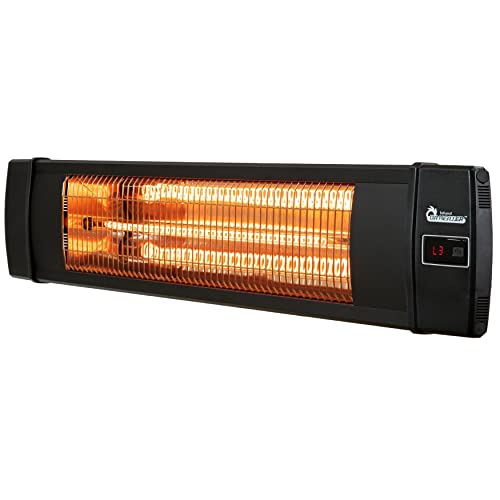
The DR-238 offers indoor and outdoor heating with infrared warmth for immediate comfort. It is IP55 rated for weather resistance, making it suitable for garages, patios, decks, or other outdoor spaces. With multiple power settings (900W, 1200W, 1500W) and remote control, it provides instant heat without odor or noise, ideal for supplemental warmth in transitional spaces or open garages where quick heat is advantageous.
VEVOR 10,000-Watt Electric Garage Heater

The VEVOR unit provides wide coverage with a high-output electric option for large garages. It mounts on the wall or ceiling and includes a remote, with an emphasis on precise temperature control and overheat protection. The steel shell and ETL certification contribute to safety and durability, helping to maintain consistent warmth across larger spaces while minimizing energy loss.
TEMPWARE 7,500-Watt Ceiling Mount Garage Heater
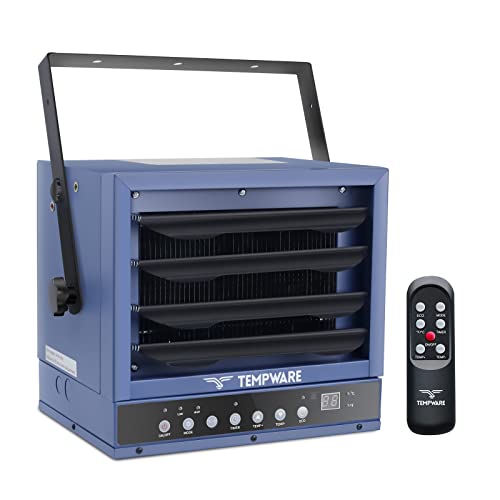
The TEMPWARE 7,500W ceiling mount heater is designed for robust garages and workshops. It features adjustable louvers, a 1-12 hour auto-off timer, and a thermostat with overheat protection. With 7,500 watts of power and a maximum BTU output, it can heat larger areas efficiently while allowing for energy-conscious operation through ECO mode and precise temperature sensing.
Shinic 1,500-Watt Ceiling-Mounted Heater
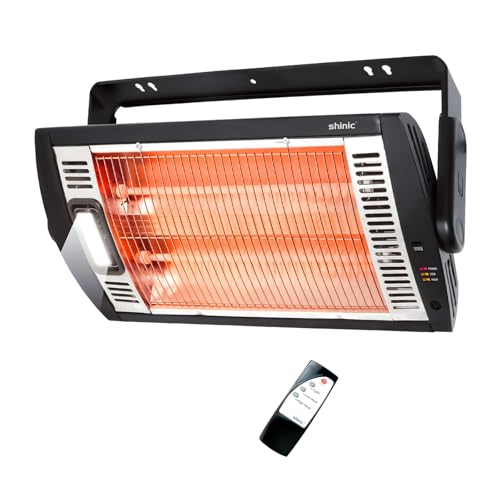
The Shinic model is a ceiling-mounted radiant heater with remote control and 5 mode settings, including combinations with halogen lighting. It provides quick radiant warmth for spaces up to roughly 300 sq. ft. and supports 90° tilting for versatile heat direction. The unit includes overheat protection and ETL listing for indoor or outdoor use, offering flexible installation in varied spaces.
Buying Guide: Key Considerations For Selecting A Garage Heater
- Space and heat area: Measure the garage or workshop footprint to choose a unit with appropriate BTUs and wattage. Large spaces benefit from high-output electric heaters or multiple heating sources, while smaller areas can rely on lower-wattage models.
- Power source and electrical capacity: Electric heaters require access to a dedicated circuit. Determine whether your space can support 120V or 240V circuits, and consider a hard-wired installation for continuous operation or a plug-in option for flexibility.
- Mounting and installation: Ceiling-mount designs free floor space and allow broad coverage. Wall-mount units can be easier to retrofit in tight spaces. Ensure proper clearances and ventilation to maintain safe operation.
- Heating method: Infrared radiant heaters warm objects and people directly, which is effective for intermittent use and outdoor areas. Fan-forced heaters circulate warm air for uniform temperature but may have higher running costs in large spaces.
- Controls and safety: Look for thermostats, timers, ECO modes, and overheat protection. Remote control adds convenience. ETL or UL certification provides assurance of electrical safety.
- Durability and climate suitability: Consider steel or heavy-gauge metal housings for garages exposed to dust, humidity, or temperature swings. Outdoor-rated units are ideal for patios or open workshops.
- Energy efficiency and operating costs: ECO mode, adjustable louvers, and precise temperature control help reduce energy consumption. Compare units with similar coverage to estimate running costs over time.
- Gas versus electric: Natural gas or propane units can offer cost-effective heating with consistent output for large, well-ventilated spaces. Gas heaters require proper venting and professional installation.
- Maintenance and warranties: Check for easy filter access, component durability, and warranty terms. A longer warranty often reflects confidence in build quality and longevity.
- Noise and odor: Infrared and some electric models operate quietly and without odor, which can be important for quick, seasonal heating or workspace comfort.
When selecting a garage heater, balance space size, electrical readiness, and desired heating method. The options above cover a range of installation styles, power levels, and safety features to meet common garage configurations in the United States.