Looking for a reliable gas log burner system to upgrade a vented or vent-free fireplace? This guide highlights five RealFyre burner systems that deliver dramatic flames, adjustable heat, and straightforward installation. Ideal for homeowners updating a traditional fireplace, builders outfitting new constructions, or DIY enthusiasts replacing an aging setup. The following selections emphasize high BTU output, complete burner kits, and compatibility with natural gas inputs. Below, a quick buyer table helps compare core specs at a glance.
| Product | BTU Output | System Type | Notes |
|---|---|---|---|
| RealFyre Peterson 18″ G45 Triple Burner System (NG) | Up to 75,000 | Triple burner system | Includes ember bed and gas line kit |
| RealFyre Peterson 24″ G45 Triple Burner System (NG) | Up to 90,000 | Triple burner system | Higher BTU, same kit components |
| RealFyre Peterson 18″ G45 Gas-Log Dual-Burner System (NG) | Up to 75,000 | Dual burner system | Compact option with ember bed burner |
| RealFyre Peterson 18″ G45 Triple Burner System (NG) Natural-Gas | Up to 75,000 | Triple burner system | Includes match-light control compatibility |
| RealFyre Peterson 24″ G4-Burner System (NG) | Up to 90,000 | Quad? (G4) burner system | Includes safety pilot valve option |
RealFyre Peterson 18″ G45 Triple Burner System (NG)

Best for medium-sized fireplaces seeking a robust triple-burner setup. This 18-inch system delivers up to 75,000 BTUs, with a dedicated ember bed burner and a dual-burner tube arrangement. It includes a custom grate, silica sand, glowing embers, damper clamp, and a gas flex-line connector kit. The “Match Light” control works with an existing key valve for on/off flow. Not included: a separate control valve. Best for: moderate heat and a classic, full ember look in compact spaces.
Why chosen: The triple-burner design provides a wide flame surface and a strong glow, making it ideal where a visible, dramatic fire is desired without upgrading to a larger system. Caution: some installations may require a separate control valve if you want precise flame modulation.
RealFyre Peterson 24″ G45 Triple Burner System (NG)
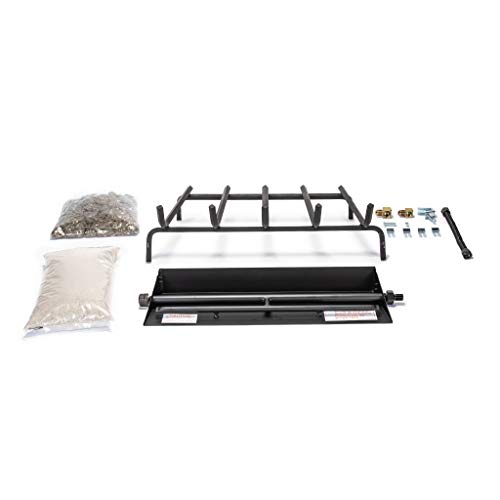
Best for larger fireplaces that require high heat output and expansive flame coverage. This 24-inch system pushes up to 90,000 BTUs with a triple burner arrangement and the same ember bed features as the 18-inch model. It includes a match-light system and all necessary installation components. Best for: spacious living rooms or great rooms where a commanding, realistic fire is the focus. Caution: higher BTU output means more heat; ensure proper clearance and venting for safety.
RealFyre Peterson 18″ G45 Gas-Log Dual-Burner System (NG)
This 18-inch dual-burner option is ideal where space is at a premium but a strong flame is still desired. It provides up to 75,000 BTUs and includes the ember bed burner, compatible grate, silica sand, glowing embers, and a gas line kit. Best for: smaller rooms or compact fireplaces where you want a balanced flame with simplified installation. Caution: dual-burner setups may offer fewer flame-shape options than triple-burner models.
RealFyre Peterson 18″ G45 Triple Burner System (NG)
Best for classic gas-fire experiences in 18-inch spaces, this triple burner system again delivers up to 75,000 BTUs with the same robust components. It’s designed for match-light operation using your existing valve. Best for: homes needing a traditional, full-embossed flame aesthetic in a compact footprint. Caution: verify the valve compatibility for full control flexibility in your setup.
RealFyre Peterson 24″ G4-Burner System (NG)

Best for users wanting a robust 24-inch burner system with comprehensive features and a safety pilot option. The G4-Burner System provides up to 90,000 BTUs and includes a natural gas burner, grate, sand, glowing embers, and damper clamp, plus a gas flex-line kit. Best for: large rooms or open-plan living spaces needing a strong, realistic fire with reliable startup control. Limitation: ensure compatibility with a dedicated control valve if precise flame modulation is needed.
Buying Guide: Gas Log Burner System Essentials
What matters most when choosing a gas log burner system? Consider flame size, BTU output, and the number of burner lines. Triple-burner designs produce broader, taller flames and a more intense glow, while dual-burner setups fit smaller spaces. Assess whether you need an integrated ember bed burner for a richer visual depth. For operation, determine if a match-light system suffices or you prefer a safety pilot/control valve for precise flame control. Also verify compatibility with your existing gas valve and venting arrangement.
Should you choose a vented or ventless installation? RealFyre systems on the list are designed to suit vented configurations with ember bed features that mimic real wood flames. If your fireplace is ventless, confirm that the system is approved for ventless operation and complies with local codes. Installation complexity varies: some kits are straightforward for existing gas lines, while others require more extensive valve integration. Always consult a professional installer for safe, code-compliant setup.
Frequently Asked Questions
- What BTU range is typical for a gas log burner system? Most systems in this guide operate between 75,000 and 90,000 BTUs, providing strong flame output for mid- to large-sized fireplaces.
- Do these kits require a separate control valve? Many kits include a match-light system or safety pilot valve but do not include a control valve; optional control valves are available.
- Can I install these without professional help? Some kits are designed for straightforward installations, but gas work and venting considerations usually require a licensed installer to ensure safety and code compliance.
- Are logs included with these burner systems? The listed items are burner-system kits; logs are noted as not included and must be sourced separately if desired.
- Which system is best for a small room? The 18-inch dual- or triple-burner options provide ample flame in tighter spaces while still delivering a realistic look.
- What maintenance is required? Regular inspection of gas connections, cleaning of ember bed components, and ensuring venting remains clear are key steps to maintain performance and safety.