Choosing a gas unit heater for a garage depends on space, venting, and fuel type. This guide highlights five dependable options suited for American garages, ranging from compact 50,000 BTU models to high-capacity 150,000 BTU units. Each product balances efficiency, install flexibility, and durable construction to cover spaces from small workshops to large work zones. Below you’ll find a quick product snapshot, followed by in-depth sections and a buying guide to help you compare features and performance.
| Product | Brand | BTU | Coverage | Vent/Install Notes |
|---|---|---|---|---|
| Mr. Heater F260550 Big Maxx MHU50NG | Mr. Heater | 50,000 | Up to 1,250 sq. ft. | Vertical or horizontal venting |
| Mr. Heater F260560 Big Maxx MHU80NG | Mr. Heater | 80,000 | Up to 2,000 sq. ft. | Vertical or horizontal venting |
| Reznor UDXC-60 | 1HVAC | 60,000 | Large garages/workshops | Ceiling mount or wall mount options |
| Modine HD45AS0111 | Modine | 45,000 | Medium spaces | Low profile, residential/commercial ready |
| ProCom MN300TBA-B | ProCom | 30,000 | Smaller spaces | Wall or floor mounting |
Mr. Heater Big Maxx MHU50NG (50,000 BTU)
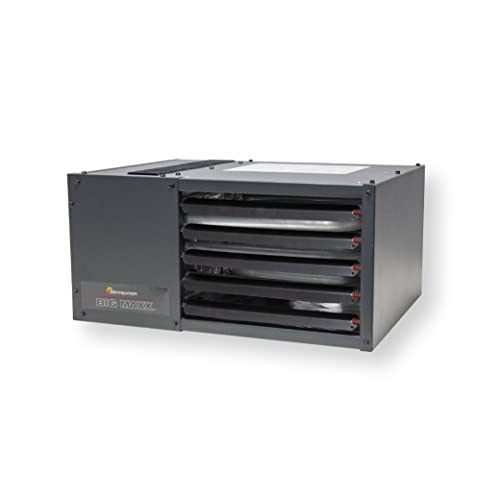
The 50,000 BTU unit heats up to about 1,250 square feet with efficient natural gas operation. It offers convenient outside access to the thermostat and gas connections, simplifying service. Its exhaust system supports both vertical and horizontal venting, enabling flexible installation in garages with limited space or specific venting requirements. This model is designed for mid-size garages and workshops that need steady warmth during colder months without excessive energy use.
Mr. Heater Big Maxx MHU80NG (80,000 BTU)
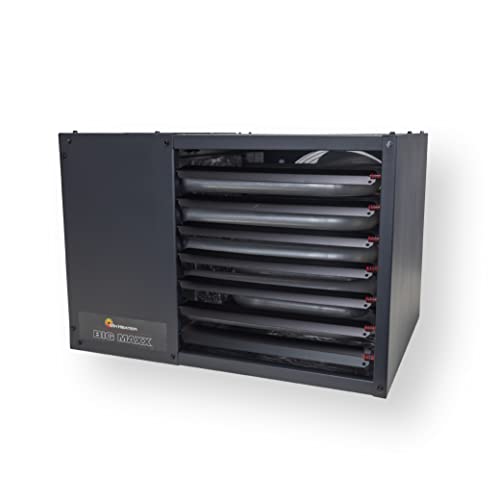
This 80,000 BTU model covers larger spaces, with a reported 2,000 sq. ft. capacity on a natural gas supply. It ships with standard mounting hardware and can vent vertically or horizontally to fit various garage layouts. The unit is a robust option for frequent, heavy-duty use in larger garages or workshops, providing reliable heat when temperatures drop significantly.
Reznor UDXC-45 (45,000 BTU)

The Reznor UDXC-45 is a 45,000 BTU propane/indoor gas heater designed for garages, workshops, and warehouses. It emphasizes high thermal efficiency (83%) and offers versatile mounting options, including ceiling suspension or wall installation. Its compact footprint suits tighter spaces, while still delivering strong heat output for medium-sized work areas.
Modine HD45AS0111 Natural Gas Heater
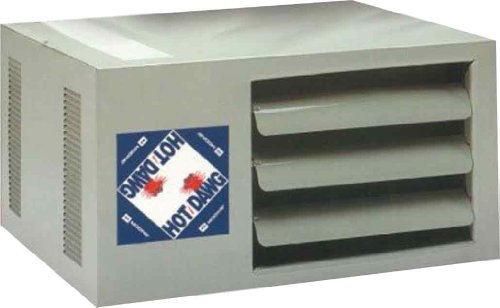
The Modine HD45AS0111 offers 45,000 BTU with an emphasis on quiet operation and a low-profile design. It is certified for residential, commercial, and industrial use, making it a versatile choice for garages that require unobtrusive heating. Its neutral gray appearance blends into most spaces while delivering consistent warmth.
ProCom MN300TBA-B (30,000 BTU)

The ProCom MN300TBA-B uses natural gas to deliver up to 30,000 BTU, heating areas up to about 1,400 sq. ft. Its thermostat control supports high, medium, and low settings. The unit is designed for wall mounting or base feet, offering flexible installation for smaller garages or spaces where ceiling mounting isn’t feasible. It combines a compact footprint with dependable warm air delivery.
Buying Guide
Key considerations help determine the best gas unit heater for a garage. First, evaluate space and heat demand. Garages under 1,000 sq. ft. may do well with a 30,000–50,000 BTU unit, while larger spaces often benefit from 60,000–150,000 BTU models. Consider insulation, ceiling height, and door openings, as these affect heat retention and cycling.
Ventilation and venting options matter. Some models support vertical or horizontal venting, expanding install flexibility. For attached garages with shared walls, ensure proper clearance and safe exhaust venting to avoid carbon monoxide risks. In spaces with limited external access, a unit with easy thermostat and gas line access can simplify maintenance.
Fuel type and efficiency are important. Natural gas typically provides lower running costs than propane. Look for units with high thermal efficiency ratings (83% is common for commercial-grade models) to maximize heat per BTU. Noise levels and mount style (ceiling vs. wall) also affect long-term usability in a home or busy workshop.
Installation considerations include mounting options, required clearances, and whether you need a professional to connect gas lines and exhaust. Some units come with brackets or require additional mounting hardware. If you expect frequent use or heavy workloads, prioritize units built for continuous operation and robust performance in cool months.
Durability and safety features should not be overlooked. Choose models with sturdy housings, corrosion-resistant construction, and reliable electrical components. Check the product’s certification status for residential, commercial, or industrial use to ensure it meets your space’s requirements.
Price and maintenance are practical factors. While price isn’t listed here, consider long-term operating costs, parts availability, and service support. Expect to service burners, thermocouples, and venting systems periodically to maintain efficiency and safety.