Choosing the right roof vent for heater systems ensures safe venting, durable weather protection, and quiet operation. This guide compares top picks that fit a variety of heaters, from direct vent kits to turbine-style exhausts and simple rain caps. Each option highlights key features, compatibility, and practical installation notes to help you select a vent that keeps your space comfortable and code-compliant.
| Product | Brand | Type | Best For |
|---|---|---|---|
| Mr. Heater F102848 4 Inch Vertical Vent Kit | Mr. Heater | Vertical vent kit | MHU80 series, adjustable roof flashing |
| ROOFIVENT IVENT ROTO Roof Turbine | ROOFIVENT LLC | Roof turbine | Quiet, wind-powered venting |
| 4 Inch Roofing Rain Cap | Ozo Brothers | Rain cap / vent cover | All-weather protection |
| Broan-NuTone 636 Roof Vent Cap | Broan-NuTone | Steel vent cap | 3″ & 4″ duct with damper |
| Mr. Heater Category 1 Vertical 6 In Vent Kit | Mr. Heater | Vertical vent kit | Big Maxx and similar units |
Note: The list focuses on units that commonly fit American heater installations and roofs, including vent kits, turbine vents, and protective caps. Always verify compatibility with your make and model before purchase.
Mr. Heater F102848 4 Inch Vertical Vent Kit

The 4 inch vertical vent kit from Mr. Heater is designed for Big Maxx models (MHU80LP and MHU80NG) with an adjustable roof flashing. It includes a 3″ to 4″ adapter to accommodate common vent sizes and can be used with MHU75 as needed. This kit supports straightforward, code-conscious exhaust installation for unit heaters, helping maintain proper venting and safe operation in cold or humid environments.
Mr. Heater Category 1 Vertical 6 In Vent Kit

Designed for larger capacities, this 6 inch vent kit suits Mr. Heater Big Maxx or Heatstar by Enerco brand heaters, covering units from 250,000 to 400,000 BTU. The kit includes a 6-inch gas vent top, storm collar, adjustable roof flashing, long B-vent piping, a firestop assembly, and adapters for single or double wall venting. It provides a robust, code-ready solution for high-output installations in commercial or large-space settings.
Broan-NuTone 636 Roof Vent Cap

This steel roof vent cap from Broan-NuTone is built for bathroom ventilation fans and compatible with 3″ and 4″ round ductwork. It features a built-in backdraft damper and a bird screen to prevent backflow and pest ingress, along with a durable black powder-coated finish. The 636 cap is a practical option where aesthetics and long-term durability matter, providing reliable performance with minimal maintenance.
4 Inch Roofing Rain Cap – Galvanized Steel

This galvanized rain cap provides a precise fit for standard 3.89″ openings with a 7.48″ top diameter and 1.18″ flange depth. Its simple, moving-part-free design reduces maintenance while preventing odors from entering living spaces and protecting the vent pipe from rain and wind. A practical, all-weather solution for roofing exhausts in RVs and homes alike.
Livpow RV Roof Vent

The Livpow manual 14″ x 14″ roof vent is designed to replace standard vents on RVs and trailers. It fits standard 14″ x 14″ openings and is compatible with thicker roofs (1-1/4″ to 2-1/4″ thick). The one-piece seamless frame aims to be leak-resistant and weather-tight, while a translucent white lid lets in some light. Its compatibility with multiple opening types makes it a versatile option for mobile installations requiring basic venting for hot spaces or moisture control.
Solar Attic Fan 32W 1600CFM
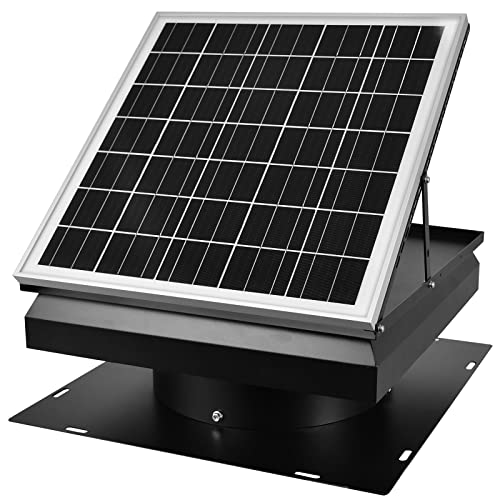
This solar-powered attic vent uses 32W of solar energy to drive 1600 CFM of air movement, reducing attic temperatures and easing cooling loads. It operates off-grid, automatically turning on at sunrise and off at dusk. The design withstands high wind and temperature extremes, making it suitable for homes, garages, and RV rooftops where electrical wiring is inconvenient or costly. Pairing with existing vents can further optimize whole-house airflow during hot months.
Buying Guide
- Vent type and purpose: Choose a vent kit when installing a heater exhaust directly from a unit, a turbine vent for wind-driven ambient cooling, or a rain-cap when simply protecting an exhaust opening from the elements.
- Compatibility: Verify duct size (3″, 4″, or 6″), roof flashing options, and whether the unit supports single- or double-wall venting. Larger BTU units may require higher-capacity vent kits.
- Weather resistance: Look for backdraft dampers, bird screens, and corrosion-resistant materials (galvanized steel, powder-coated finishes) to maximize longevity in outdoor exposure.
- Sound and vibration: Turbine vents with quality bearings provide quieter operation; avoid cheap moving parts that may squeak or wear quickly.
- Installation considerations: Some vents require roof flashing and storm collars; others may suit retrofit installations with existing openings. Professional installation may be advisable for high BTU systems or multi-story buildings.
- Maintenance: Choose designs with minimal moving parts and easy cleaning to reduce ongoing service needs. Bird screens and dampers should be checked periodically for debris and seals.
- Energy impact: Vent kits and turbine vents influence exhaust efficiency and indoor air quality. For energy-conscious setups, solar-powered options offer zero-running-cost operation, while conventional caps rely on roof ventilation alone.
- Code compliance: Ensure selected vents meet local building and venting codes, especially for gas-fired heaters. Use venting components that are rated for the intended heater type and environment.
Across these options, the best choice depends on your heater type, roof configuration, and climate. For high-capacity heaters, a vertical vent kit with robust flashing and adapters ensures a secure, code-compliant exhaust path. For homes where noise and wind are concerns, a turbine vent with quality bearings can provide continuous venting without the rattling of some basic caps. When weather protection is a priority in exposed locations, a durable rain cap or a steel vent cap with a damper helps maintain performance while preventing backflow and pests.