Hot water baseboard radiators deliver steady, quiet heat for rooms of all sizes. They’re ideal for homes that want reliable warmth with simple zoning and compatible retrofits. This guide highlights five popular options, clarifying who each product is best for, plus practical limitations to consider before you buy. The featured models range from slim, unobtrusive panels to full-length hydronic baseboards, making it easier to match your room layout and climate needs.
| Product | Best For | Why It Stands Out |
|---|---|---|
| Embassy 48″ Panel Track Heater with 3/4″ Element | Small-to-medium rooms; retrofit projects | Versatile panel design with included components for easy installation |
| Embassy 36″ Panel Track Heater with 3/4″ Element | Compact spaces; renovations | Compact length without sacrificing essential parts |
| 5 ft. 30 Series 101-401-5 Hydronic Complete Baseboard | Custom installations; reliability | Customizable length and premium construction |
| Slant/Fin 7′ Hydronic Complete Baseboard 30 Series | Longer runs in living spaces | Fully assembled, manufacturer-focused design |
| Beacon Morris Hydronic Kickspace Heater, 10360 BtuH Max | Under-cink or tight-wall spaces | Made in the United States and designed for kickspace use |
Embassy 48″ Panel Track Heater With 3/4″ Element
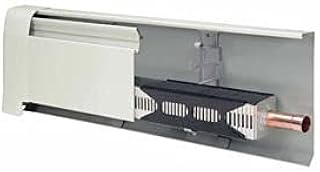
Best for: Medium-sized rooms needing reliable, evenly distributed heat. This Embassy panel heater includes a front cover, back panel, damper, brackets, and a 3/4″ element, with end caps sold separately. The component bundle supports straightforward installation and serviceability. Choose this if you want a panel-based, quiet heat source with a minimal footprint.
Why selected: The 48″ length balances coverage and wall space in typical bedrooms or living areas. Its panel design aligns with modern interior aesthetics and provides an even heat throw across the room.
Limitation: End caps are sold separately, so consider the total cost of required accessories for complete installation.
Embassy Industries 5612231203 Embassy 36″ Panel Track Heater
Best for: Smaller rooms or tight spaces where a compact heating panel is preferred. This 36″ panel track heater includes the essential parts (front cover, back panel, damper, brackets, and a 3/4″ element) for straightforward installation. End caps are typically sold separately.
Why selected: Its shorter length makes it adaptable to tight walls, alcoves, or bathroom upgrades where space is at a premium. It provides consistent baseboard-like heat with minimal intrusion.
Limitation: As with other panel models, you may need to source end caps or matching trim separately to complete the setup.
5 Ft. 30 Series Hydronic Complete Baseboard

Best for: Custom installations with a desire for durable, high-quality baseboard heat. This 5-foot unit is designed to be tailored to specific room sizing and hydronic layouts, offering reliability through premium materials. It supports precise specifications for longer runs.
Why selected: It’s built to match unique room dimensions, providing flexibility beyond standard products. The long baseboard format helps reduce cold spots along walls.
Limitation: Customization may require additional components or precise spacing to achieve optimal performance in complex layouts.
Slant/Fin 7′ Hydronic Complete Baseboard 30 Series

Best for: Long rooms or open-plan spaces where a single baseboard run covers more floor area. The 7′ length is designed to provide broad heat distribution with a fully assembled, ready-to-install package. It’s suitable for renovations or new construction where wall space accommodates a full-length baseboard.
Why selected: Slant/Fin technology and a full assembly streamline installation and reduce field assembly time. The longer run minimizes seams in many layouts.
Limitation: Longer installations may require careful mounting and connection planning to ensure even heat across the length of the unit.
Beacon Morris Hydronic Kickspace Heater, 10360 BtuH Max

Best for: Under-counter, soffit, or kickspace applications where floor-to-wall space is limited. This kickspace heater is designed to deliver concentrated heat in tight vertical spaces, making it ideal for kitchens, baths, or utility rooms.
Why selected: Made in the United States, the unit emphasizes domestic manufacturing standards and a compact footprint suitable for tight installations. It provides a practical solution where wall space is scarce.
Limitation: Kickspace units have a more focused heat area and might not be suitable for larger rooms that require long baseboard coverage.
Buying Guide: Key Considerations For Hot Water Baseboard Radiators
What room size and layout should I match?
Baseboard heaters should be chosen based on room dimensions and insulation. Longer baseboards provide even heat along walls, while panel track heaters work well in tight spaces or where you want a low-profile look. For irregular rooms, multiple shorter runs can minimize temperature imbalances.
Material quality and construction
Look for sturdy metals and reliable joining methods. Hydronic baseboards rely on water-filled channels to transfer heat efficiently. Panels should include a robust front cover and back panel to protect internal components and reduce heat loss.
Installation and maintenance considerations
Consider access for service, end caps, and trim pieces. Some models come fully assembled, while others require on-site assembly. Plan for brackets, dampers, and connection hardware. Regular bleeding of the system and annual inspections help maintain efficiency.
Energy efficiency and zoning
Baseboard systems respond gradually to thermostat changes, which can support gentle, consistent comfort. Zoning allows different rooms to heat independently, lowering overall energy use. The choice between panels and long baseboards can affect how evenly heat distributes in a space.
Cost, lifetime, and serviceability
Durable materials and modular designs typically reduce long-term maintenance. Accessories such as end caps, trims, and brackets influence total installed cost. Evaluate the availability of replacement parts in your region before purchase.
Installation environment and safety
Choose units rated for your climate and water temperatures. Ensure proper clearance from furniture, drapes, and combustibles. In bathrooms or kitchens, select models specified for high-humidity areas where applicable.
Frequently Asked Questions
-
What is a hot water baseboard radiator?
A hot water baseboard radiator uses circulating heated water to radiate warmth along baseboard channels, providing steady room heating with quiet operation.
-
Which baseboard type is best for retrofit projects?
Panel track heaters and kickspace units are often easier to fit into existing spaces because of their compact profiles and modular components.
-
How many baseboard sections do I need per room?
Calculate by room size, insulation, and climate. A professional can perform a heat load calculation to determine the necessary length and BTU output per area.
-
Do baseboard heaters require special electrical or plumbing work?
Hydronic baseboard systems require proper piping and a boiler or heat source. Panel track heaters necessitate secure mounting and appropriate end caps or trim for a finished look.
-
Can I mix baseboard models in one home?
Yes, different models can be used in separate zones or rooms for tailored comfort, provided your system’s plumbing and flow rates are compatible with each unit.
-
What maintenance do baseboard radiators need?
Periodic inspection of seals, dampers, and covers; flushing and bleeding of the hydronic loop; and checking for leaks help maintain efficiency and safety.