This guide highlights top hydronic hot water hanging unit heaters that are well-suited for garages, workshops, and small warehouses. Each option uses hot water energy to deliver efficient, steady warmth and is best for space owners who want quiet operation, flexible installation, and energy savings. The featured picks emphasize different heat outputs and blower capabilities to match varying space sizes and insulation levels. Read on to find the heater that best fits your space, plumbing setup, and operating preferences.
Summary of top picks
| Product | BTU | Best For | |
|---|---|---|---|
| ALORAIR H50A 50,000 BTU | 50,000 | Smaller garages and workshops | Quiet blower; multiple connection types |
| ALORAIR H100A 100,000 BTU | 100,000 | Medium to large spaces | Higher airflow; flexible installation |
| American Royal 50,000 BTU | 50,000 | Budget-friendly hydronic option | Two-speed fan; simple setup |
| American Royal 100,000 BTU | 100,000 | Heavily insulated spaces | Two speeds; strong heating |
| Note | All units are hot water compatible and designed for hanging installation in added spaces like garages and workshops. |
ALORAIR H50A Hydronic Hanging Heater – 50,000 BTU

The ALORAIR H50A uses hot water energy to deliver fast, efficient heating for smaller garages and workshops. Built with a galvanized steel housing and aluminum tubing, it aims for durable performance and energy savings up to 30% versus traditional electric heaters. This model supports four connection types: Copper Welding, Push-to-Connect, Male Thread, and Female Thread, enabling flexible installations in various plumbing systems. The integrated smart temperature control starts the fan when the water hits the preset temperature and stops as it cools, helping minimize energy waste. Best for compact spaces that require steady heat with versatile hookups.
Best for: small to mid-size garages or workshops seeking energy efficiency and flexible connections. Caution: installation setup can be more involved if your existing lines differ from the four supported connection types.
ALORAIR H100A Hydronic Hanging Heater – 100,000 BTU

The ALORAIR H100A provides higher heating capacity for medium to large garages or workshops. Its galvanized steel housing and aluminum tubing support robust performance, with energy savings up to 30% compared to electric heating. It also offers four installation options through multiple connection types, similar to the H50A, enabling flexible hot water or steam plumbing configurations. The auto temperature control ensures efficient operation by coordinating fan activity with water temperature, while the remote controller allows adjustments from a distance. Best for larger, well-insulated spaces that need rapid, substantial heat.
Best for: larger spaces requiring strong airflow and flexible plumbing options. Caution: higher capacity means greater initial installation complexity and power needs.
American Royal 50,000 BTU Hydronic Hanging Unit Heater

This 50,000 BTU hydronic unit from American Royal is designed for hydronic heat with a two-speed fan. It’s positioned as a cost-effective option for wood boiler users or spaces that don’t need maximum output. The two-speed feature allows dialing in airflow without overshooting temperatures. Best for budget-conscious buyers or smaller shops where consistent, moderate warmth is sufficient. Caution: may be less effective in very large or poorly insulated spaces without supplemental heating.
American Royal 100,000 BTU Hydronic Hanging Unit Heater
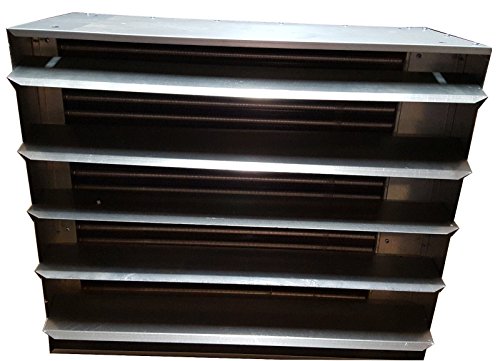
This 100,000 BTU American Royal model is built for performance in larger, well-insulated spaces or environments requiring rapid heating. It features two-speed operation to balance comfort and energy use. The unit is designed for hydronic heating with compatible hot water systems and supports flexible installation similar to smaller models. Best for large garages or workshops where high heat output is necessary. Caution: higher BTU may require more robust plumbing and controls to avoid overshoot in milder conditions.
Buying Guide
What should I consider when choosing a hydronic hanging heater?
Key factors include space size, insulation level, and desired heat output. Match BTU to the square footage and climate—rooms with poor insulation may need more heat, while well-insulated spaces require less. Consider whether you need multiple connection types for easy integration with existing plumbing.
How important is blower capacity?
Blower size affects air distribution and startup speed. Higher CFM values move warm air faster and distribute heat more evenly in large spaces, but they can be louder and consume more energy. For smaller spaces, a quieter, lower- CFMs model can be sufficient.
What installation considerations should I plan for?
Check available connection options (Copper Welding, Push-to-Connect, Male/Female Thread) and ensure your hot water or steam lines can accommodate one or more configurations. Ensure adequate clearance and venting (as required by local codes) and plan for remote temperature control if you want convenient adjustments from afar.
Are hydronic units energy efficient?
Hydronic heaters leverage hot water energy, which can reduce electricity usage by delivering consistent heat with less power burn. Look for integrated smart temperature controls that start and stop the blower based on water temperature to minimize waste.
What are common limitations to expect?
Limitations can include installation complexity, especially when retrofitting into existing plumbing. Higher BTU models require more robust plumbing and electrical considerations, and some units may be less effective in highly open or poorly insulated spaces without proper zoning or supplemental heating.
How do I choose among the top five options?
Choose based on space size and insulation: 50,000 BTU units are typically ideal for small to mid-size spaces, 100,000 BTU units suit larger or poorly insulated areas. Consider blower capacity for air distribution and connection-type flexibility to simplify installation with your current piping.
FAQ
- What is a hydronic hanging unit heater best used for?
It is ideal for spaces like garages and workshops where hot water-based heating is preferred for efficiency and steady warmth.
- Can these units be installed in damp or dusty environments?
They are designed for robust spaces, but ensure proper ventilation and follow local electrical and plumbing codes during installation.
- Do all models support multiple connection types?
Most listed ALORAIR models provide four connection options; check product specifics for exact compatibility.
- Is a higher BTU always better?
Not necessarily. Choose BTU based on space size, insulation, and climate; oversizing can waste energy and overshoot temperatures.
- Should I hire a professional for installation?
Yes, particularly for hydronic systems, due to plumbing, pressure testing, and code compliance considerations.