Hydronic space heaters use warm water or a water-to-air exchange to deliver steady, quiet heat throughout a room. They’re known for reliable warmth, low noise, and consistent temperatures without the dry air that some other heaters create. Below is a curated look at five hydronic models that balance performance, safety, and energy efficiency for American homes.
| Product | Brand | Key Benefit |
|---|---|---|
| Beacon Morris Twin-Flo III K84 | Beacon Morris | Compact kickspace design for under-cabinet heating |
| Alecoil HHA50-Pro | Alecoil | Whisper-quiet hot water hanging unit with remote control |
| Qmark HBB2004 | Marley | Liquid-filled baseboard for even, long-lasting warmth |
| Fahrenheat 500W Hydronic Baseboard | Fahrenheat | Low-noise, dust-reducing convection heat |
| Floorheat Hydronic Panel | Floorheat | Pre-assembled radiant distribution for easy install |
This article highlights five hydronic heaters that align with typical American living spaces, from compact kickspace units to wall-hung panels. Each section provides a concise overview and considerations to help you compare performance, installation, and energy use.
Beacon Morris Twin-Flo III Hydronic Kickspace Heater

The Beacon Morris Twin-Flo III K84 unit is a compact hydronic kickspace heater designed to fit under cabinets or along walls where space is limited. With a 72 CFM fan-assisted air flow and 8,400 BTU capacity, it can supplement primary heating in smaller rooms or heat concentrated areas like hallways and entryways. The Twin-Flo III design emphasizes reliable performance with a focus on quiet operation, making it suitable for kitchens, baths, or utility rooms where a discreet heat source is beneficial. Installation typically involves connecting to a building’s hot water loop or a dedicated hydronic circuit as part of a central heating system. Consider its size and BTU output in relation to room square footage, insulation, and existing boiler capacity to ensure balanced comfort throughout the space.
Alecoil HHA50-Pro Hydronic Hanging Unit Heater
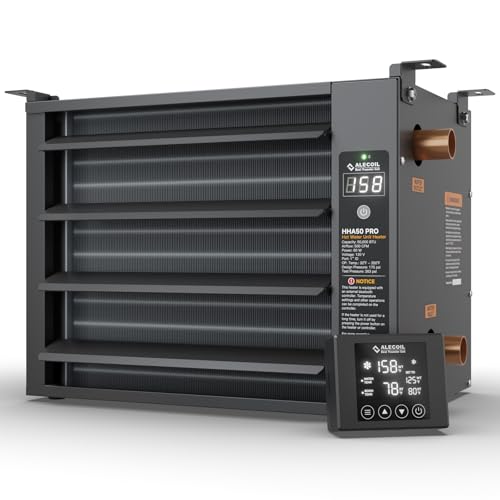
Alecoil’s HHA50-Pro is a water-to-air hydronic hanging unit heater designed for use with a building’s hot water source. This model emphasizes quiet operation and remote temperature control for convenient adjustments from a distance. It offers multiple temperature modes to maximize comfort while managing energy use. The unit’s design includes a centrifugal blower for consistent airflow and a directional airflow deflector, allowing you to direct heat toward living areas or workspace zones. When evaluating, consider the home’s existing hot water source, boiler capacity, and whether remote control compatibility and airflow directionality fit your installation needs.
Qmark HBB2004 Hydronic Baseboard Heater

Qmark HBB2004 is a liquid-filled electric hydronic baseboard heater that provides stable warmth with a natural convection process and no fans. The heater’s design aims to minimize temperature swings, delivering steady heat even after the device is powered off. It is well-suited for flooring installations where quiet operation is valued. Safety features emphasize suitability for various floor coverings (tile, carpet, or wood) and a thermal cutoff to prevent overheating. Its long, low-profile design makes it a discreet option for living rooms, bedrooms, or home offices that require consistent heat distribution along baseboard zones.
Fahrenheat 500W Hydronic Baseboard Heater
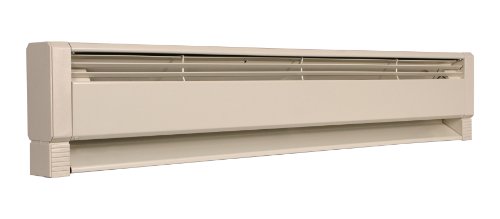
The Fahrenheat 500W hydronic baseboard heater provides a compact, low-noise heating solution with a convection-based flow. Its design minimizes dust circulation since there is no blower, which can be beneficial for allergy concerns. Built-in overheat protection adds a safety layer for closed spaces, basements, or rooms where additional heat wins over a traditional radiator. This model is often chosen for retrofit projects where existing hydronic piping or a boiler supports multiple zones, allowing for flexible zoning and a steady heat source that doesn’t rely on forced air.
Floorheat Hydronic Radiant Heat Control Panel

The Floorheat Hydronic Radiant Heat Control Panel offers a pre-assembled distribution system designed for radiant heating. This option focuses on providing a reliable, energy-efficient approach to radiant heat, making it easier to install in homes seeking uniform warmth across floors or spaces that benefit from zone-based radiant heating. Its compact, space-saving design is attractive for renovations or new builds where radiant panels are preferred over traditional baseboard or kickspace units. When evaluating, assess installation complexity, compatibility with existing radiant loops, and the potential for easy future expansion.
Buying Guide
- System type and compatibility: Hydronic heaters rely on warm water from a boiler or hot water source. Verify that your home has an appropriate loop, boiler capacity, and the ability to support additional zones without affecting overall system balance.
- Heat delivery method: Choose between baseboard convection, kickspace units, hanging units, or radiant panels based on room layout, noise tolerance, and available wall or floor space.
- Temperature control: Look for humidity- and temperature-stable operation, remote or smart control options, and compatibility with home automation systems for energy efficiency and convenience.
- Safety features: Seek units with thermal cutoff, overheat protection, and flame-retardant materials or certifications. If children or pets are present, consider models with secure housings and easy-to-use thermostats.
- Installation and maintenance: Pre-assembled panels or modular units can simplify installation. Consider access for routine maintenance, filter checks (where applicable), and ease of cleaning to maintain efficiency.
- Noise and airflow: Hydronic systems are typically quiet, but some units use fans. Decide whether you prefer silent operation (baseboards, radiant panels) or enhanced heat distribution with a blower (kickspace or hanging units).
- Energy efficiency and zoning: For larger homes, zoning strategies can optimize energy use by heating only occupied areas. Compare BTU ratings, runtime, and the potential to integrate with existing thermostats or smart home setups.
- Material and durability: Hydronic components should resist corrosion and scale buildup. Look for materials designed for long service life, and check for warranties when available.
- Professional consultation: Hydronic installations often benefit from professional assessment to calculate heat load, pipe sizing, and balancing of multiple zones for even comfort.
Hydronic space heaters offer reliable warmth with generally lower noise and stable temperatures compared to some electric hot air options. When selecting a unit, weigh space constraints, existing boiler capacity, and how you want to control and zone your living areas. The five options listed above provide a spectrum of sizes, installation styles, and control features to fit various homes and preferences.