When selecting insulation for heating ducts, pick options that reduce heat loss, prevent condensation, and fit your installation needs. This guide highlights five top Amazon options suitable for different budgets and scenarios, from DIY projects to professional-grade installations. Best for homeowners tackling attic and basement ducts, renters needing quick fixes, and small contractors seeking reliable performance.
Overview of recommended products:
- Frost King CF55 Foil-Backed Duct Wrap – versatile, easy to install, and provides vibration dampening.
- JOHNS MANVILLE Duct Insulation – a fiberglass wrap with strong thermal resistance for long runs.
- SmartSHIELD -5mm Reflective Duct Wrap – high radiant energy rejection for energy-efficient homes.
- Frost King FV516 Duct Insulation & Tape – combines insulation with an adhesive tape for quick repairs.
- Romeda Aluminum Foil Tape – a durable, high-temp tape for sealing and securing insulation joints.
Frost King CF55 Foil Backed Duct Wrap

Best for: DIY projects where a flexible wrap-off solution is needed. The CF55 insulates, cushions, and reduces vibrations on heating and AC ducts, providing a safe alternative that doesn’t require gloves or goggles during installation. It carries a Class A fire rating, which adds a layer of safety for concealed ducts. Choose this if you want a straightforward wrap that also minimizes noise and movement.
Key considerations: Easy to handle and install, good for retrofit work in closets or attics. A potential limitation is that it’s a wrap rather than a rigid board, so it may not be ideal for large, uniform insulation needs where a solid blanket would be preferred.
JOHNS MANVILLE Duct Insulation
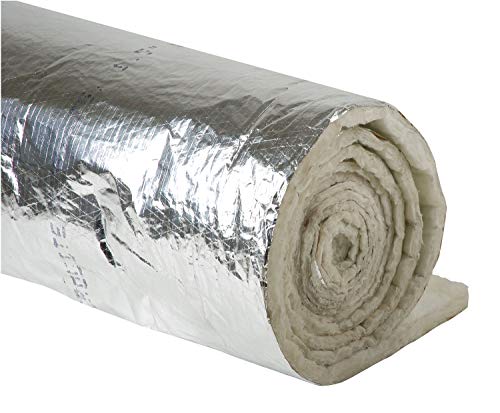
Best for: Projects requiring robust fiberglass insulation with strong thermal resistance. This item features a 1-1/2″ thick wrap with a 48″ width and 25 ft length, designed for ductwork and meeting multiple industry standards. Its temperature range of -32 to 250 F supports many heating and cooling applications, making it a solid choice for long duct runs in basements or crawl spaces.
Why selected: It delivers a high R-value per inch for space-limited installs. The broader width reduces seam joints. A caveat is that fiberglass products may require careful handling during installation to avoid irritation and ensure proper sealing of joints.
SmartSHIELD -5mm Reflective Duct Wrap

Best for: Homes aiming to minimize radiant heat transfer and condensation. This 24″ x 25 ft roll delivers a radiant barrier with R-values reported up to 15.67 per layer and even higher with two layers, plus vapor and sound barriers. It’s especially useful in attics or spaces with high radiant heat exposure.
Why selected: The reflective surface can dramatically reduce heating losses in duct runs exposed to sunlight or other radiant sources. A limitation is that it’s primarily radiant-focused insulation; for extreme cold, layering or combining with other insulation types may be necessary for optimal performance.
Frost King FV516 Duct Insulation & Tape
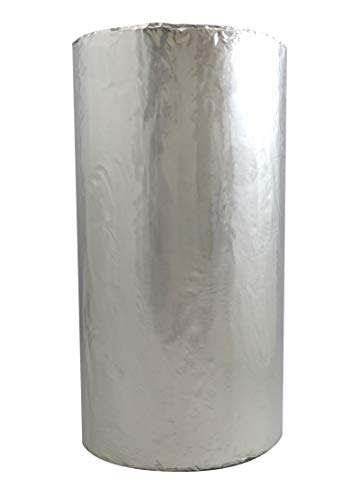
Best for: Quick-dix insulation and sealing projects where space is tight and you need a combined solution. This product uses a self-adhesive, 1 ft by 1/8 inch by 15 ft roll to blend insulation and sealing into one step. It’s convenient for sealing gaps around joints and preventing air leaks in small ducts.
Why selected: The self-adhesive format reduces the number of tools required and speeds up installation. The trade-off is that it offers a thinner insulation layer, so for larger heat loss concerns you might pair it with a thicker wrap elsewhere or use alongside other insulation.
Romeda Aluminum Foil Tape

Best for: Sealing duct joints and securing insulation where high temperature performance is needed. The Romeda tape is 3.9 mil thick, designed to resist temperatures up to 130 C short-term and 120 C long-term, with UV and moisture resistance. It’s a strong companion to any duct insulation project.
Why selected: The thicker foil offers durable adhesion and easier edge tearing without leaving residue. A limitation is that foil tape alone cannot provide thermal insulation; it must be paired with actual insulation material for best results.
Buying Guide: Key Considerations For Duct Insulation
What type of duct insulation should you choose? Consider the duct location, climate, and installation time. Wrap-style insulation works well for retrofits in tight spaces, while rigid boards and blankets suit new installations and long runs.
How to balance insulation and moisture control? In humid environments, a vapor barrier helps prevent condensation. Reflective foils can reduce radiant heat gain, but may need layering with other insulation for cold weather.
What about installation safety and code compliance? Look for materials with fire ratings, temperature resistance, and certifications that match local codes. Fit the insulation snugly around ducts and seal joints to minimize air leakage.
Should I mix products? Yes, for best performance, combine a rigid or fibrous insulation with a vapor barrier or reflective layer in hot or humid spaces. Use high-adhesion tapes for sealing joints and edges to prevent gaps.
Frequently Asked Questions
- What insulation is best for attic ducts? A combination of reflective barriers and fiberglass or foam insulation works well, reducing radiant heat and improving energy efficiency.
- Can I insulate ducts myself? Yes, with wrap or blanket insulation and proper tape for joints. Follow safety guidelines for handling fiberglass and foil products.
- How do I prevent duct condensation? Use vapor barriers and ensure ducts are sealed and well insulated in humid areas like basements and crawl spaces.
- Is foil tape better than duct m tape? Foil tape generally provides greater temperature resistance and durability, especially in hot climates or near furnaces.
- What is an optimal duct insulation thickness? Thicker insulation yields better R-value, but space and cost limit choices. Pair thicker insulation with a vapor barrier where needed.
- Do I need to hire a pro? Simple DIY wrapping is feasible for small projects, but complex duct networks or extensive retrofits may benefit from professional installation.