Choosing a natural gas hanging heater combines safety, efficiency, and convenience for indoor rooms, garages, patios, and sunrooms. The following selections highlight versatile options—from outdoor hanging patio heaters to ventless wall-mounted units—that deliver steady heat without relying on electricity. Each product below includes key specs to help compare heating capacity, venting needs, and installation flexibility.
style=”display:none”>Summary Table of Selected Products
| Product | BTU / Heat Output | Vent Type | Mounting / Placement | Notes |
|---|---|---|---|---|
| SunPak 12002-2 S34 Natural Gas Outdoor Hanging Patio Heater | 34,000 BTU | Outdoor, hanging | Hanging patio heater | Aluminized Black Finish |
| Mr. Heater F260560 Big Maxx MHU80NG Natural Gas Unit Heater | 80,000 BTU | Venting required (category venting) | Floor-standing vertical/optional mounting with brackets | Heats up to ~2,000 sq ft |
| ProCom MN300TBA-B Ventless Natural Gas Blue Flame Space Heater | 30,000 BTU | Ventless | Wall mount or base feet | Thermostat control |
| ProCom MN100TBA-B Ventless Natural Gas Blue Flame Space Heater | 10,000 BTU | Ventless | Wall mount or base feet | Compact for small rooms |
| Mr. Heater Vent Free Radiant MHVFRD20NGT | 30,000 BTU | Vent-free infrared | Wall-mounted design | Indoor radiant heat with safety shut-off |
SunPak Outdoor Hanging Patio Heater S34
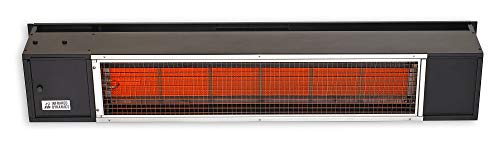
Finish: Black. This compact outdoor heater provides a generous 34,000 BTU of heat to warm patio spaces, decks, and outdoor dining areas. Designed for hanging installation, it accommodates outdoor use where electricity is limited and natural gas is available. The unit’s weather-friendly finish helps resist the elements, making it a practical option for covered patios. Installation considerations include proper clearance from combustibles and adherence to venting requirements for outdoor deployment.
Mr. Heater F260560 Big Maxx MHU80NG
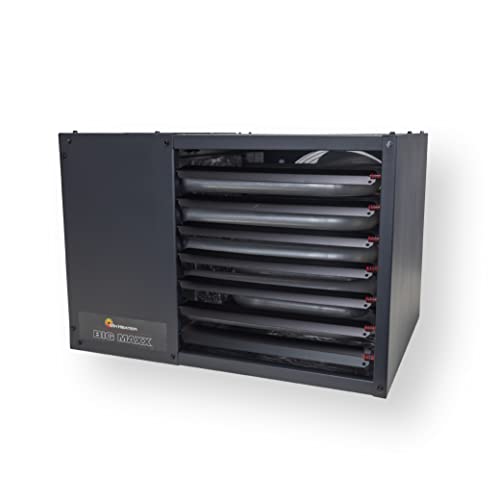
This 80,000 BTU natural gas unit heater delivers strong heating for large spaces up to about 2,000 square feet. It is a category 1 vertical venting unit, with horizontal venting options, and requires a 120 V electrical supply for controls. The heater dimensions measure roughly 29.33 inches in length, 15.50 inches in width, and 26.37 inches in height. Included components note that thermostats, hoses, and regulators are not included, so plan for compatible accessories accordingly. This model is suited for spaces where ceiling or wall mounting is feasible and where robust heat output is needed.
ProCom MN300TBA-B Ventless Natural Gas Blue Flame Space Heater

This 30,000 BTU ventless blue flame heater offers thermostat-controlled heat suitable for residential spaces. It supports wall mounting or base feet for floor placement, making it flexible for living rooms, offices, or garages where electrical options are limited. The design emphasizes efficient gas usage and a slim profile that blends into most interiors while providing steady radiant warmth.
ProCom MN100TBA-B Ventless Blue Flame Space Heater
At 10,000 BTU, this compact ventless blue flame heater fits smaller rooms while maintaining efficient gas use. Thermostat control supports High/Medium/Low settings, suitable for bedrooms, offices, or sunrooms where ambient warmth is desirable. It offers versatile mounting options with included hardware for wall installation or base feet for floor use, delivering flexibility in layout planning.
Mr. Heater Vent Free Radiant MHVFRD20NGT

This 30,000 BTU vent-free radiant heater provides sun-like warmth via infrared technology, covering spaces up to 1,000 square feet. It is designed for indoor use with safety features that respond to oxygen depletion, offering automatic shut-off to prevent unsafe conditions. While it does not require a vent, proper room placement and adequate clearance are essential for safe operation in living areas, garages, or sunrooms.
Buying Guide: Key Purchase Considerations
When selecting a natural gas heater, several factors influence long-term performance and safety. Consider the following perspectives to make an informed choice.
- Heat output and space coverage: Larger spaces benefit from higher BTU units (e.g., 30,000–80,000 BTU), while smaller rooms may be adequately heated with 10,000–15,000 BTU models. For outdoor patios, consider weather exposure and wind effects, which can reduce perceived warmth.
- Ventilation and vent type: Vented units require exhaust for safe operation, while ventless models rely on oxygen sensors and proper room ventilation. Indoor mounting should align with enclosure size and clearance guidelines to prevent overheating and ensure safe airflow.
- Mounting flexibility: Wall-mounted, ceiling-hung, or free-standing configurations offer different installation ease and heat distribution. Outdoor hanging heaters provide radiant warmth but must be placed with weather considerations in mind.
- Safety features: Look for oxygen depletion sensors, automatic shut-off, and tip-over or tilt protections where applicable. Vent-free units typically include safety shut-offs to mitigate unsafe gas buildup in enclosed spaces.
- Thermostat and controls: Built-in thermostats improve energy efficiency by maintaining consistent temperatures. Ensure compatibility with existing home gas lines and consider whether external thermostats are needed for precise control.
- Fuel type and accessibility: Confirm the heater operates on natural gas and that your home’s gas line meets capacity requirements. Some units may require professional installation or conversion kits for propane use.
- Installation and code compliance: Check local codes for venting, clearance distances, and electrical requirements (e.g., 120 V supply for certain units). Professional installation is recommended for larger outdoor or vented systems.
- Maintenance and durability: Outdoor or vented units demand more routine checks for corrosion resistance and vent integrity. Ventless units require periodic filter or sensor checks and safe gas connections to prevent leaks.
These perspectives collectively guide compatibility with living spaces, safety standards, and energy efficiency. Each listing above includes essential details to evaluate BTU output, mounting options, and safety features, helping users select the best natural gas heater for their environment. Always consult installation manuals and local regulations before purchase and installation.