Looking for new electric wall heaters to heat rooms quickly and save energy? This guide highlights five strong options ideal for American homes. Each product page explains who it’s best for, why it stands out, and any small limitations to consider. The top picks cover built‑in thermostats, energy efficiency, and easy installation for bathrooms, bedrooms, and living spaces. A compact comparison table at the start helps you compare core specs at a glance.
| Product | Main Benefit | |
|---|---|---|
| Cadet Com-Pak CSC202TW | Powerful 2000W heating for fast warmth | Larger rooms up to 200 sq ft, ceiling install where allowed |
| Cadet CSC151TW | Balanced 1500W with reliable thermostat | Standard 120V spaces, easy wall mounting |
| ENVI Plug-in Wall Heater | Low-wattage, silent, fan-less operation | Supplementary heat in bedrooms and offices |
| DREO Smart Wall Heater | PTC heating with remote, app, and Alexa control | Smart-controlled comfort in offices or bedrooms |
| Broan-NuTone 9815WH | High-capacity 1500W with adjustable thermostat | Energy-efficient supplemental heat in living spaces |
Gopper New Upgrade CSC202TW Electric Wall Heater

The Gopper CSC202TW provides fast heating with a built‑in thermostat for targeted warmth in up to about 200 sq ft. It’s best for medium rooms such as bedrooms or small living areas where quick heat followed by automatic regulation matters. The unit is designed for professional installation, making it a solid choice for a dedicated wall heating setup. A potential limitation is the need for electrician installation, which may affect project timelines.
Cadet Com-Pak CSC151TW Electric Wall Heater

The Cadet CSC151TW offers a compact 1500W heating solution with a built‑in thermostat. It’s well suited for standard 120V rooms like bedrooms, home offices, or kitchens that need steady warmth without overpowering the space. Best for smaller to midsize rooms where install flexibility is limited to wall mounting. A minor note: it’s a complete unit, so ensure clearance around the heater for safe operation.
ENVI Plug-in Electric Panel Wall Heater
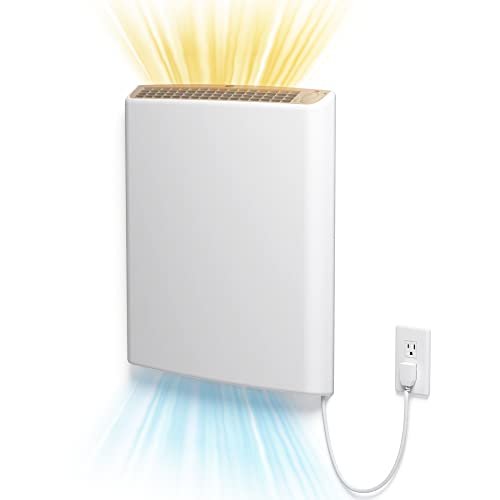
The ENVI heater is a low-wattage, fan‑less design with a built‑in safety sensor. It’s best for quiet, 24/7 supplemental heating in rooms where sound and dust flow must be minimized, such as bedrooms or home offices. It helps maintain comfortable temperatures with minimal energy use. A caveat is that it’s not intended to replace central heating in very cold climates or large rooms.
DREO Smart Wall Heater

The DREO Smart Wall Heater emphasizes smart control with a remote, app, and Alexa compatibility. It directs heat with 30° oscillation and ECO mode for efficient operation. Choose this if you want flexible control across devices and voice assistance to manage comfort. A potential limitation is the need for a compatible setup to maximize app-based features.
Cadet Com-Pak CSC202TW (Model: CSC202TW)
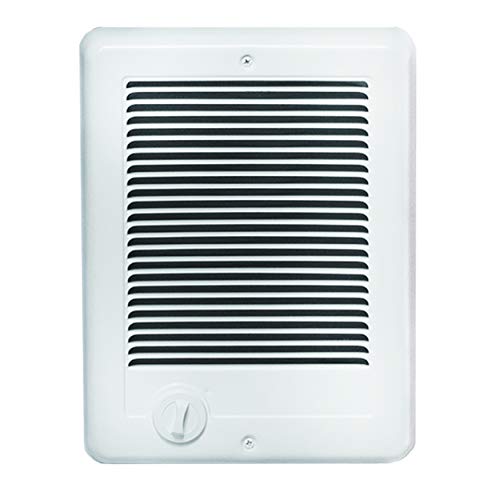
This CSC202TW variant provides fast heating with a 2000W coil for up to 200 sq ft and includes safety features that turn the heater off if temperatures exceed safe levels. It can operate at 240V for more heat output or 208V in compatible setups. Best for rooms needing quick warmth, like living rooms or kitchens, provided electrical accommodation is available. The unit’s ceiling-install option is noted for certain wattage limits and elevation considerations.
Cadet CSC151TW Electric Wall Heater (Model: CSC151TW)

Note: The listing for this unit shows a similar model with a 1500W output. It emphasizes low energy usage, built-in thermostat control, quiet operation, and a compact form factor. Best for standard rooms where easy installation and reliable warmth matter. Caution: verify exact wattage and electrical requirements when purchasing, as variants may differ slightly in specs.
Buying Guide: Key Purchase Considerations
- Room size and heat output: Match wattage to room area. Higher wattage is better for larger spaces; smaller rooms benefit from lower wattage to avoid overheating.
- Power source and voltage: Many units offer 120V, 208V, or 240V configurations. Confirm home wiring and circuit capacity before choosing.
- Thermostat and controls: Built-in thermostats help regulate comfort and energy use. Consider remote or app control for convenience in living spaces or offices.
- Installation: Some models require professional installation, especially higher wattage units. Others are plug-in or simple wall-mounted units.
- Safety features: Look for automatic shutoff at high temperatures, cool-to-touch surfaces, and sensors for secure operation in homes with children or pets.
- Noise and airflow: Fan-based heaters can add warmth quickly but may generate more noise. Fan-less models are silent but may heat more slowly in larger spaces.
- Energy efficiency: ECO modes and precise temperature control help minimize energy use over time.
FAQ
- What size electric wall heater do I need for a 200 sq ft room?
– A heater in the range of 1500–2000 watts is typically suitable for 200 sq ft, depending on insulation and climate. - Are plug‑in heaters safer than hardwired units?
– Plug‑in units are convenient but often provide less heating power and require careful placement away from water and flammable materials. - Can these heaters be used in bathrooms?
– Some models are designed for bathroom use with proper electrical protection and installation. Check the product specs and local code requirements. - Do these heaters require professional installation?
– Higher wattage units (like 2000W) often require a certified electrician, especially when hardwired for 240V or ceiling installations. - Is a fan‑less heater better for allergy sufferers?
– Yes, fan‑less designs reduce dust circulation, contributing to a quieter and potentially cleaner environment. - Will turning thermostats to ECO mode save energy?
– ECO modes help maintain comfortable temperatures with lower energy use, particularly in well-insulated spaces.