This guide highlights top 220–240V outdoor electric heaters designed to keep patios, decks, garages, and outdoor workspaces warm. Each option focuses on efficient infrared heating, wind resistance, and durable construction. Read on to compare features, safety, and installation considerations to help you choose a model that fits your space and electrical setup.
Summary of selected products
- ThermoMate Infrared Electric Patio Heater — 3000W, 240V hardwired, remote control, 24-hour timer
- SunWave 4000-Watt Infrared Heater — 220–240V, wall-mounted, remote control
- SunWave 2000-Watt Black Carbon LED Screen Heater — 220–240V, wall-mounted, remote control
- Bromic Tungsten Smart Heat 4000W — 220–240V, dual quartz, wall/ceiling installation
- DR. INFRARED HEATER DR218-3000W — 3000W, 120V/likely broader use for mixed setups
ThermoMate Infrared Patio Heater (240V)

The ThermoMate infrared heater delivers instant warmth with a 3000W carbon fiber element. Its design targets heat directly onto people and objects, minimizing wind-related heat loss. It is intended for outdoor decks, patios, garages, or other workspaces, where wind can diminish less efficient models. The unit is hardwired for a dedicated circuit, and it includes a 24-hour timer and remote control for flexible operation.
Key considerations include the 120 sq ft coverage radius and the recommended mounting height of about 7.88 feet. The 240V hardwired configuration ensures robust performance for larger outdoor areas, making it suitable for homes with dedicated circuits and outdoor installations. If you require reliable, direct heat with quick warm-up, this model provides consistent infrared warmth with straightforward control.
SunWave 4000-Watt Infrared Heater (220–240V)

The SunWave 4000-Watt heater from Muskoka Lifestyle Products uses patented gold quartz heating elements and dual infrared technology for rapid, even warmth over large spaces. Its ultra-low glare design minimizes harsh lighting while maintaining visibility, which is ideal for patios, decks, restaurants, or warehouses where ambiance matters. This model is designed for hardwired 220–240V supply and typically requires a dedicated circuit (15 AMP/60Hz).
Installation is generally wall-mounted, offering flexible placement to suit your outdoor layout. The high heat output makes it a strong option for substantial outdoor seating areas or commercial spaces that demand dependable heating without sacrificing atmosphere. Consider this model if you need strong warmth and a discreet lighting footprint.
SunWave 2000-Watt Infrared Heater (220–240V)

This model uses black carbon heating elements to deliver efficient warmth with minimized glare. It provides 6 heat levels and a remote for convenient control, making it adaptable to varying outdoor conditions. The wall-mounted installation supports versatile placement for patios, commercial spaces, or large indoor-outdoor areas that require steady infrared warmth. The 220–240V supply helps maintain consistent performance and reduces energy waste when compared to less efficient alternatives.
Bromic Tungsten Smart Heat 4000W (220–240V)

The Bromic 4000W dual quartz infrared heater is designed for upscale environments needing fast, immersive warmth. It covers approximately 130 sq ft and uses stainless steel construction with a modern, durable finish. The unit supports multiple mounting options (wall or ceiling) with clear spacing guidelines, and a recessed option with an optional kit. The dual-element design targets warmth efficiently, improving response time and comfort in outdoor gathering areas or commercial patios.
NFCRA Outdoor 34-Inch 1500W Infrared Tower Heater
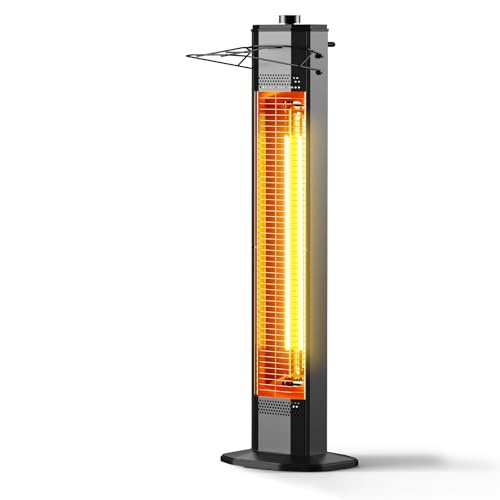
This 1500W carbon infrared tower heater provides instant warmth with a compact footprint. IPX5 weather resistance supports outdoor use in rain and humidity, while the 6.6-foot power cord wiring reduces the need for immediate electrical retrofits. It includes tip-over and overheat protections, with a focus on silent operation and minimal air drying. While most users assume 120V in outdoor towers, check your electrical setup to ensure compatibility with your 220V system.
DR. INFRARED HEATER DR218-3000W (Voltage Varied)

The DR218-3000W model offers 3000W infrared heating with high and low settings for greenhouse, garage, or outdoor workshop environments. While voltage specifications are not stated in the provided features, this unit is commonly deployed in mixed electrical setups where 240V support may exist. The IPX4 rating adds splash protection, making it a potential option for sheltered outdoor areas and hobby spaces that require reliable heat during colder seasons.
Buying Guide: Key Considerations For 220–240V Outdoor Heaters
- Heat output and area coverage: Higher wattage (2000–4000W) is needed for larger spaces, while smaller patios may be comfortable with 1500–2000W. Verify the recommended mounting height and coverage area to avoid overheating or cold spots.
- Electrical requirements: 220–240V hardwired installations may require a dedicated circuit and professional wiring. Check circuit breaker capacity, wire gauge, and any local electrical codes before installing.
- Weatherproofing and durability: Look for IP ratings (IPX5 or higher) and stainless steel or powder-coated finishes to withstand rain, wind, and outdoor exposure.
- Heat distribution and glare: Infrared heaters heat people and objects directly; consider models with low-glare designs for comfort and visibility in social spaces.
- Mounting options: Wall-mount, ceiling-mount, or freestanding options influence placement and heat reach. Ensure compliance with minimum clearances and brackets provided by manufacturers.
- Control and automation: Remote controls, timers, and smart-enabled features add convenience and energy efficiency. A 24-hour timer helps manage usage and energy costs.
- Safety features: Look for tip-over shutoffs, overheat protection, and child-friendly designs for safer outdoor use in diverse environments.
- Maintenance: Carbon fiber and quartz elements require minimal maintenance, but periodic cleaning and inspection of electrical connections help sustain performance over time.
- Noise and ambiance: Infrared heaters are generally quiet; however, consider any fan-assisted components or wind exposure that could influence perceived warmth or noise.
When comparing options, match the heater’s heat capacity with your space, check for proper installation compatibility with your electrical system, and prioritize models offering durable construction and user-friendly controls. For commercial settings, choose units with robust warranties and clear maintenance guidance to ensure long-term performance.