Overhead tube heaters deliver focused radiant warmth from above, ideal for garages, workshops, patios, and outdoor setups. This guide highlights five top options, spanning natural gas, electric, and specialized infrared tubes. Each selection emphasizes reliable performance, easy installation, and durable construction so you can compare without guesswork. Explore features, installation notes, and what to consider before you buy.
| Product | Brand | Key Feature |
|---|---|---|
| Heatstar By Enerco F125444 Radiant Overhead Garage Heater H25Ng Natural Gas | Heatstar By Enerco | Heats up to 500-600 sq. ft.; CSA Certified; Thermostatic control no power needed |
| Mr. Heater 8060 LPP Overhead Radiant Heater | Mr. Heater | No electricity required; instant heat; even warmth |
| TPI Corporation OCH2-66-240V-SS Fostoria Quartz Tube Electric Infrared Heater | Fostoria | Overhead quartz tube infrared; 6000W; 240V; durable steel housing |
| BEYOND HEAT Electric Garage Heater 120V | BEYOND HEAT | Dual quartz radiant tubes; 2 heat settings; ceiling mount with tilt |
| Unicoshape Patio Heater Replacement Parts – Quartz Tube | Unicoshape | Replacement quartz tube for four-sided Pyramid heaters; high temp resistance |
These options cover gas, electric, and replacement components for overhead heating systems. Each product focuses on delivering warmth from above with minimal clutter and straightforward installation. Use the buying guide to tailor your choice to space, energy preferences, and safety requirements.
Heatstar Overhead Natural Gas Garage Heater
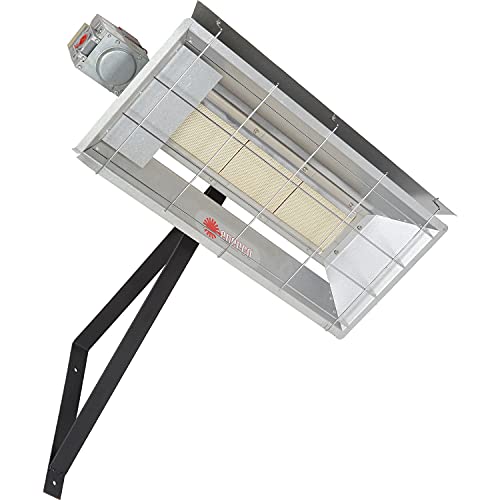
The Heatstar By Enerco F125444 is an overhead radiant heater designed for medium-sized spaces, such as garages and workshops. It heats areas around 500–600 square feet, making it suitable for two- to three-car garage configurations. The unit carries CSA certification, ensuring safety standards. A notable feature is thermostatic control that requires no power to operate, allowing simple on/off temperature stabilization in certain setups. This model emphasizes reliable, direct heat without introducing bulky equipment into the workspace.
Mr. Heater 8060 LPP Overhead Radiant Heater

The Mr. Heater 8060 LPP is an overhead radiant heater that stands out for not requiring electricity to operate. It delivers heat in a manner similar to solar warming and is designed to warm spaces evenly, including garages and outdoor work areas. The device provides instant warmth without needing electrical connections, which can simplify installation in remote or propane-powered setups. It emphasizes quick comfort, reliable performance, and durable construction for long-term use in challenging environments.
TPI Corporation Fostoria Quartz Tube Electric Infrared Heater

The TPI Corporation OCH2-66-240V-SS Fostoria Quartz Tube Electric Infrared Heater is designed for overhead use in both indoor and outdoor settings. It features dual quartz tubes with gold anodized aluminum reflectors and end caps, providing quick, radiant warmth. The unit is engineered for durability, with a steel housing finished in a high-temp brown and a 60-degree directional pattern to distribute heat efficiently. Its 6000W rating demonstrates substantial heating capability for larger spaces or areas needing rapid warmth.
BEYOND HEAT 120V Electric Ceiling-Mount Heater

The BEYOND HEAT ceiling-mount electric garage heater uses dual quartz radiant tubes to deliver focused warmth. It offers two heat settings, enabling targeted comfort for different tasks or seasons. The pull-string control makes operation simple, and the unit’s design supports installation in garages, shops, or patios. In addition to heating, the fixture includes a halogen light option with adjustable angle, allowing the device to function as both a heater and lighting source. The heater can operate with or without the light, giving flexibility in use.
Buying Guide: Key Considerations For Overhead Tube Heaters
- Space and heat area: Determine whether you need to warm a single car garage, a two-car space, or an outdoor/work area. Gas units often provide higher BTU outputs suitable for larger volumes, while electric tube heaters are easier to install but may have lower output unless multiple tubes are used.
- Energy source: Choose between natural gas/propaned gas, electricity, or replacement components. Gas models require venting and proper fuel connections, while electric units rely on standard electrical circuits and breakers.
- Heat distribution: Consider directional and radiant heat performance. Some units offer adjustable tilting or directional patterns to target work zones or seating areas effectively.
- Installation needs: Ceiling mounting, tilt adjustments, and mounting hardware vary by model. Ensure mounting height, clearance, and wiring or gas connections align with local codes and safe installation practices.
- Safety and certifications: Look for CSA/ETL certifications and features like overheat protection or low-maintenance components, especially in workshops or garages where moisture and dust are common.
- Maintenance and durability: Quartz infrared tubes and steel housings impact longevity. Replacement parts, such as quartz tubes or tubes’ gaskets, should be accessible for the model you choose.
- Noise, airflow, and aesthetics: Radiant tube heaters operate quietly without fans, which reduces noise but requires consideration of location to avoid direct exposure to flammable materials or debris.
- Cost of operation: Gas heaters generally have fuel costs, while electric options reflect electricity usage. Evaluate long-term energy costs against upfront installation expenses.
- Expansion and compatibility: If you plan to add more units or replace aging tubes, pick models with widely available parts and straightforward serviceability.
Additional Tips
- For outdoor setups, ensure weather resistance and proper clearance from combustible materials.
- When using a replacement quartz tube (as with Unicoshape parts), verify compatibility with your specific pyramid heater model to avoid fit issues.
- Consult a professional for gas line connections and venting requirements to meet safety standards and building codes.