Finding a reliable propane convection heater can keep workshops, garages, and job sites comfortable without relying on electricity. This guide highlights five top options known for steady heat, safety features, and easy setup. Each model below covers different space sizes and uses, helping you compare performance, run time, and versatility.
Summary of Selected Heaters
| Model | BTU Range | Coverage | Key Feature |
|---|---|---|---|
| Mr. Heater MH25CVX | 25,000 BTU | Up to 625 sq ft | Electricity-free operation; safety valve |
| Mr. Heater MH200C | 200,000 BTU | Large spaces (varies) | Adjustable output; CSA certified |
| Dura Heat LPC80 | 50,000 – 80,000 BTU | Up to 1,900 sq ft | 360° heating; wind shield |
| Habitio 125,000 BTU | 75,000 – 125,000 BTU | Up to 3,125 sq ft | Pulse ignition; CSA certified |
| Dyna-Glo RMC-LPC25DG | 15,000 – 25,000 BTU | Up to 600 sq ft | Indoor/outdoor use with ventilation |
Mr. Heater MH25CVX Propane Convection Heater
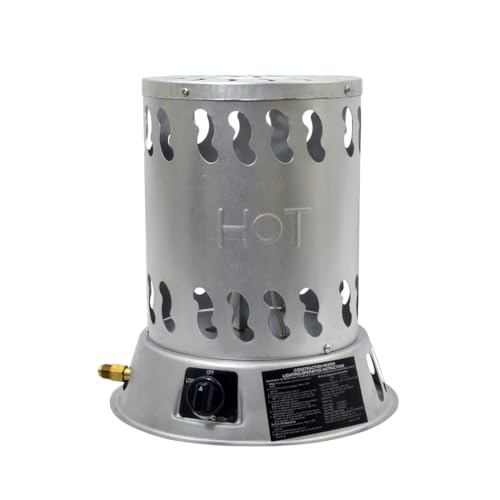
The Mr. Heater MH25CVX delivers 25,000 BTUs per hour to heat spaces up to about 625 square feet. It operates without electricity, making it suitable for garages, workshops, or outdoor use. A standing pilot light and thermo-electric safety valve provide flame containment, and the unit includes a 10-foot propane hose, regulator, and P.O.L. tank connection for simple setup. The Piezo ignition start offers quick warmth with a push, making it a practical choice for intermittent heating needs. Typical usage can extend up to 17 hours on a standard 20-pound propane tank, depending on conditions. This model emphasizes safety and portability alongside reliable convection heat.
Mr. Heater MH200C Propane Convection Heater
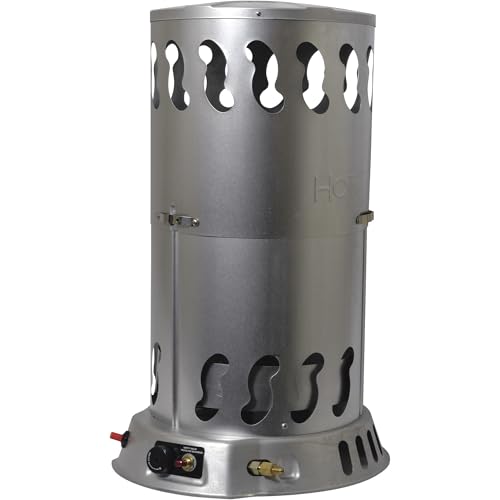
The Mr. Heater MH200C offers substantial heating capacity with up to 200,000 BTUs, suitable for larger spaces and commercial settings. The unit features adjustable output to match workload and space, helping control consumption while maintaining comfort. CSA certification ensures compliance with safety standards, and a 10-foot LP gas hose is included to facilitate flexible placement and quick setup. This model is designed for higher-demand environments where reliable, continuous heat is essential, especially in unheated workshops or outdoor job sites where electricity is unavailable or impractical.
Dura Heat LPC80 50-80K BTU Convection Heater

The Dura Heat LPC80 provides a 360-degree convection pattern with adjustable output from 50,000 to 80,000 BTU, designed for both indoor and outdoor applications with proper ventilation. It operates on propane and requires no electricity, enabling heat in barns, garages, or tents where power is unavailable. A typical 40-pound cylinder can sustain operation for up to 17 hours, depending on usage. The unit includes a Piezo ignition for straightforward ignition and general operation, with emphasis on consistent heat distribution and a straightforward control experience.
Habitio 125,000 BTU Forced Air Propane Heater
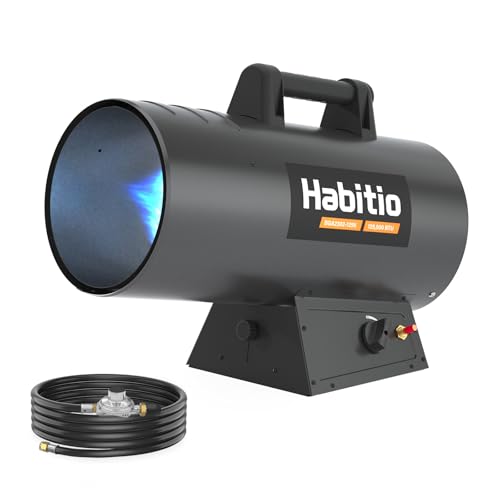
The Habitio heater delivers a broad heating range of 75,000 to 125,000 BTU per hour and can cover up to 3,125 square feet, making it suitable for large job sites and industrial settings. It emphasizes safety with pulse ignition technology to minimize flame-out and leakage risks, plus overheat protection and automatic shutdown during power outages. A CSA certification signals compliance with safety standards, while the included 10-foot hose and regulator support quick setup. Noise levels may vary with operation, and users should follow the recommended assembly and maintenance steps for best performance.
Dyna-Glo RMC-LPC25DG 15K-25K BTU Convection Heater

The Dyna-Glo RMC-LPC25DG provides 15,000 to 25,000 BTUs, heating up to 600 square feet in properly ventilated spaces. This model is suitable for smaller workshops or rooms with limited square footage where reliable propane heat is needed without a heavy power draw. It supports indoor and outdoor use with appropriate ventilation and is designed for simple operation with a focus on steady warm air in a compact footprint.
Dura Heat LPC25 15-25K BTU Propane Heater

The Dura Heat LPC25 provides 15,000 to 25,000 BTU convection heat with a 360-degree heating radius for even warmth distribution. It is designed for versatile use in both indoor and outdoor environments with proper ventilation. A built-in wind shield helps protect the flame in breezy outdoor conditions, contributing to more consistent performance in variable weather. This model focuses on dependable heat with straightforward controls and portability.
Buying Guide: Key Purchase Considerations
- Space and heat output: Match BTU capacity to room size. Overestimating BTU can waste fuel, while underestimating results in insufficient warmth. For large open spaces, consider higher BTU models or multiple units.
- Ventilation and safety: Propane heaters require proper ventilation to avoid carbon monoxide buildup. Look for CSA or UL certifications, built-in safety valves, and flame-out protection. For enclosed spaces, install CO detectors and follow local codes.
- Electrical independence vs. convenience: Some models operate without electricity, ideal for remote sites. Others may offer features like electric ignition or fan-assisted convection for faster heat distribution in homes or workshops with power access.
- Ignition and reliability: Piezo or electronic ignition affects startup speed and reliability. Consider models with straightforward maintenance and accessible parts for field service.
- Portability and setup: Consider weight, handles, and hose length included with the unit. A longer hose and regulator simplify placement away from heat-sensitive equipment or storage areas.
- Durability and weather resistance: For outdoor use or job sites, choose rugged housings, wind shields, and corrosion-resistant materials..Weatherproofing and protective features extend equipment life in harsh environments.
- Maintenance: Regular vent cleaning, fuel checks, and safe storage of propane cylinders are essential. Favor units with clear manuals and readily available replacement parts.
- Operating costs: Compare fuel efficiency and expected run times. Higher BTU models can consume propane quickly; plan for refueling intervals accordingly.
- Noise and comfort: Some models generate noticeable noise at higher outputs. If the space is occupied for extended periods, prioritize units with noise-reduction features or lower operating decibels.
- Ventilation requirements for indoor use: Always provide adequate airflow and monitor for exhaust odors. In commercial settings, ensure compliance with workplace safety guidelines.
Choosing a propane convection heater involves balancing space, fuel availability, and safety. By considering BTU ranges, ventilation needs, and environmental conditions, you can select a model that delivers consistent warmth, efficient fuel use, and reliable operation across varied settings.