Finding a reliable propane heater for a camper van involves evaluating heat output, safety features, indoor suitability, and portability. The following picks represent popular, well-reviewed options that balance warmth with safety for mobile living spaces. Each product below is suitable for small to mid-sized campers when used in ventilated areas and following manufacturer guidelines.
| Product | BTU Range | Typical Space | Notes |
|---|---|---|---|
| 9,000 BTU Portable Buddy Radiant Heater | 4,000–9,000 | Up to ~225 sq ft | Indoor/outdoor approved; compact for vans |
| MR. HEATER MH9BXRV Buddy (F232017) | 4,000–9,000 | Up to ~225 sq ft | Auto shut-off, high-altitude caution |
| Little Buddy Portable Radiant Heater | 3,800 | Up to ~95 sq ft | Lightweight, ideal for smaller vans |
| Big Buddy PRO Series | 4,000–18,000 | Up to ~450 sq ft | High heat for larger vans or extended use |
| FOGATTI RV Furnace 25,000 BTU | 25,000 | RV interiors in cold weather | Furnace-style heat, spark ignition |
9,000 BTU Portable Buddy Radiant Propane Heater

This Mr. Heater 9,000 BTU unit offers a flexible performance profile with radiant heat that can be set to 4,000 or 9,000 BTU per hour. It is designed for indoor and outdoor use and can heat spaces up to about 225 square feet, making it suitable for midsize camper vans during colder seasons. The heater is built for portable use, with safety features common to Mr. Heater products, and is a practical option for those needing reliable warmth without the added bulk of a home-style heater.
Mr. Heater F232017 MH9BXRV Buddy Grey Indoor-Safe Portable RV Radiant Heater
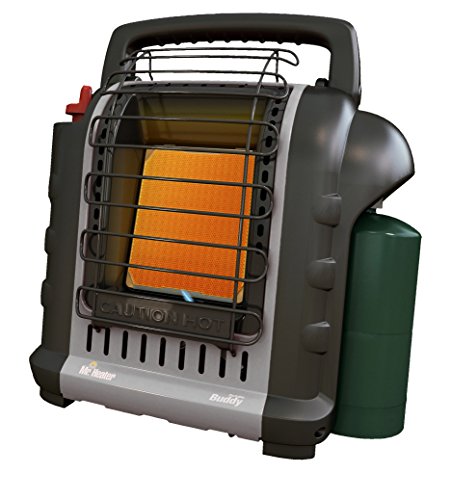
The Buddy MH9BXRV is a widely used propane radiant heater for RVs and camper vans. It provides 4,000 to 9,000 BTU of radiant heat and covers spaces up to 225 square feet. It is designed for indoor and outdoor use with clean-burning operation and high efficiency. Features include auto shut-off for tip-overs or low oxygen, and an alert for altitude-related operation. When operated at altitudes above 7,000 feet, users should monitor performance as some units may shut off under extreme conditions.
3,800 BTU Little Buddy Portable Radiant Propane Heater
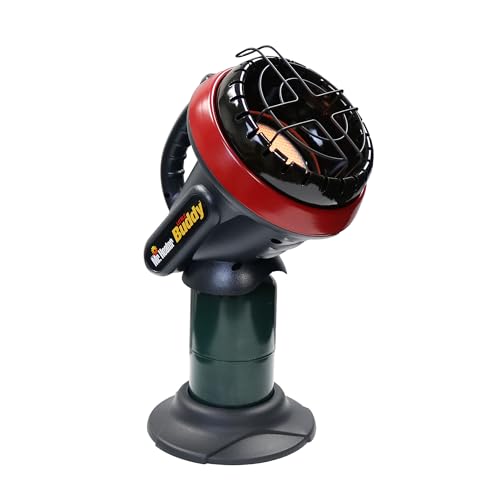
The Little Buddy offers a compact 3,800 BTU output ideal for smaller camper van interiors or as a supplementary heat source. It uses propane gas and heats up compact spaces efficiently, up to about 95 square feet. Its small footprint makes it easy to stow when not in use, while still delivering dependable warmth during chilly evenings on the road.
18,000 BTU Big Buddy PRO Series Heater
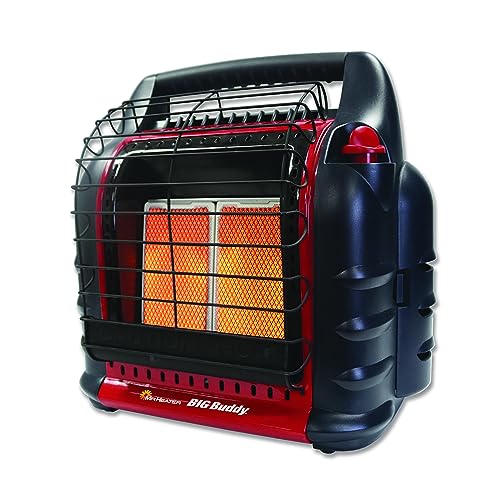
The Big Buddy PRO series provides a wide heat range from 4,000 to 18,000 BTU, suitable for larger camper vans or for transition seasons where more warmth is needed. It heats spaces up to 450 square feet and is designed for indoor and outdoor use with a near-clean-burning profile. It includes safety shut-off options if the unit tips over or detects unsafe conditions and is a strong option for larger van builds or cooler climates.
FOGATTI RV Furnace 25,000 BTU

This RV furnace from FOGATTI delivers 25,000 BTU of furnace-style heat designed for campers, motorhomes, and travel trailers. It emphasizes reliable spark ignition and universal compatibility with a wide range of RV models, enabling efficient, whole-vehicle warmth during extended trips in cold weather. It is a more robust solution compared to portable heaters, aimed at maintaining steady interior temperatures in larger van layouts.
Buying Guide: Key Considerations For Camper Van Heaters
- Heat Output and Space Coverage: Choose BTU ratings that match your van’s interior size. A smaller van might do well with 3,800–9,000 BTU, while larger layouts or winter camping may benefit from 18,000 BTU or a dedicated RV furnace.
- Ventilation and Safety: Propane heaters require adequate ventilation to prevent buildup of carbon monoxide. Look for auto shut-off features, low-oxygen detection, tip-over protection, and child-safety guards. Indoor-friendly models should be designed for enclosed spaces with proper clearance.
- Portability vs. Furnace Heat: Portable radiant heaters are easy to move and install but may require frequent monitoring. RV furnaces provide steady heat for larger interiors but involve more complex installation and venting considerations.
- Altitude Considerations: Some models may shut off or underperform at high altitudes. If you frequently travel to mountainous areas, verify altitude performance and recommendations from the manufacturer.
- Power Source and Efficiency: Propane units do not rely on vehicle electrical systems, but some models may require electricity for ignition or safety features. Consider ventilation, heater efficiency, and any electricity needs when planning off-grid usage.
- Installation and Space: Ensure the heater fits your van’s interior dimensions and allows safe mounting or placement. Some units are designed for freestanding use, while others are built for semi-permanent installation.
- Maintenance and Spare Parts: Check for readily available replacement parts, regulators, and compatibility with standard propane cylinders. Regular maintenance reduces the risk of malfunctions on the road.