Answer: A propane heater with a built‑in fan can rapidly distribute warm air, making it ideal for small to medium rooms, workshops, and patio setups where electricity may be limited or unreliable. The top picks below are suited to different needs—compact portability, high BTU output, or vent-free operation. This guide highlights five models that balance performance, safety features, and ease of use. Use the quick comparison table to decide which is best for your space and heating goals.
| Product | Best For | Notes |
|---|---|---|
| Mr. Heater 18,000 BTU Big Buddy PRO Series Heater | Medium rooms, supplemental heat | Broad heat range; runs on propane; versatile settings |
| Mr. Heater 30,000 BTU Vent Free Radiant Propane Heater | Bigger spaces up to 1,000 sq. ft. | High BTU output; vent-free for indoor use |
| ProCom ML100TBA-B 10,000 BTU Blue Flame | Smaller spaces, quiet operation | Blue flame with thermostat control |
| Mr. Heater 30,000 BTU Vent Free Blue Flame Dual Fuel | Versatile fuel source, larger areas | Dual-fuel capability; vent-free |
| Mr. Heater 9,000 BTU Portable Buddy | Portable, outdoor/indoor spots | Compact and portable; emits 4,000 or 9,000 BTU |
Mr. Heater 18,000 BTU Big Buddy PRO Series Heater
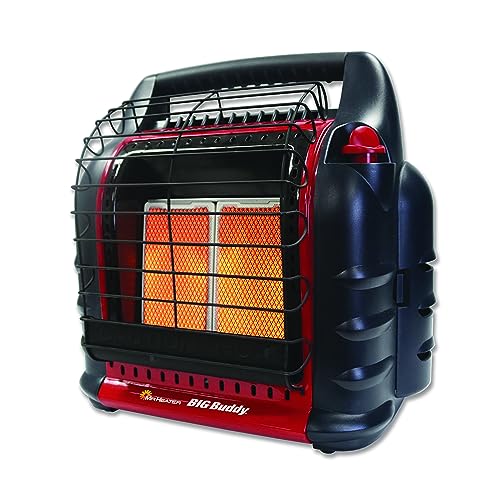
The Big Buddy PRO provides adjustable heat with Low, Medium, and High settings: 4,000; 9,000; and 18,000 BTU. It can heat up to 450 square feet and runs for long periods on two 20-lb propane tanks with an optional hose. This model is best for medium rooms or workshops where steady warmth is needed. Caution: larger space requires adequate clearance and ventilation, and lengthy use on high may increase fuel consumption.
Mr. Heater 30,000 BTU Vent Free Radiant Propane Heater

With 30,000 BTU per hour, this vent-free model heats up to 1,000 square feet and features a battery-operated electronic ignition. It suits larger rooms or garages that need quick warmth without external venting. Best for: spaces where a strong heat output is required and a battery-backed ignition is convenient. Limitation: vent-free units rely on proper ventilation to manage moisture and CO2 levels; ensure compliance with local codes.
ProCom ML100TBA-B 10,000 BTU Blue Flame

This compact blue-flame heater delivers 10,000 BTU to heat areas up to 500 square feet. It includes thermostat control for High/Medium/Low settings, making it suitable for bedrooms, offices, and small living spaces. Best for: quiet operation and steady heat in smaller rooms. Caution: as with all vent-free heaters, ensure adequate room ventilation and avoid tight, unventilated spaces for extended use.
Mr. Heater 30,000 BTU Vent Free Blue Flame Dual Fuel

This dual-fuel vent-free heater can operate on propane or natural gas and delivers 30,000 BTU to heat up to 1,000 square feet. It features a battery-operated electronic spark ignition. Best for: households that want fuel flexibility and substantial heating for larger spaces. Limitation: ensure your fuel source is compatible with dual-fuel operation and that your space meets venting guidelines for vent-free units.
Mr. Heater 9,000 BTU Portable Buddy
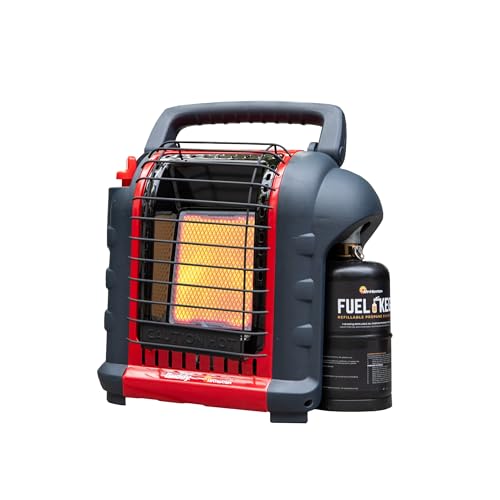
The Portable Buddy emits 4,000 or 9,000 BTU per hour of radiant heat and is designed for indoor and outdoor use. It heats up to approximately 225 square feet and is highly portable. Best for: people who need a compact, travel-ready heater for small spaces or temporary heat in garages or tents. Caution: provide good ventilation and avoid enclosed spaces with limited airflow when operating at higher BTU.
Buying Guide: Key Considerations For Propane Heaters With Fans
- Space size and heating needs: Match BTU output to room square footage. Higher BTU models heat larger areas but use more propane.
- Ventilation and safety: Vent-free units require adequate ventilation to manage moisture and CO2. Follow manufacturer guidelines and local codes.
- Fuel flexibility: Dual‑fuel models offer propane or natural gas options; verify fuel availability in your setting.
- Thermostat and controls: Thermostat control helps maintain a steady temperature and can extend run time.
- Portability vs. fixed installation: Portable units are versatile but consider stability and clearance; fixed options may require mounting.
- Ignition method: Battery-operated ignitions provide reliability during power outages but ensure batteries are fresh.
- Clearance and safety features: Look for tip-over switches, oxygen depletion sensors, and safe mounting if used indoors.
- Long-term running costs: BTU rating, efficiency, and propane price affect ongoing cost; consider usage patterns.
Frequently Asked Questions
- What is the difference between vented and vent-free propane heaters? Vent-free heaters release combustion byproducts into the room, requiring proper ventilation, while vented heaters exhaust outdoors, reducing indoor emissions.
- Can I use these heaters indoors safely? Yes, but follow all safety instructions, ensure ventilation, and never operate in closed, unventilated spaces for extended periods unless explicitly designed for indoor use.
- How do I choose the right BTU for my space? Calculate room square footage and choose a unit with BTU rating that comfortably covers that area, allowing for insulation and climate.
- Are dual-fuel heaters worth it? If you have access to both propane and natural gas, dual-fuel models offer flexibility; if not, a dedicated propane unit may be simpler and cheaper.
- What maintenance is needed for propane heaters with fans? Regularly inspect for leaks, clean air intakes, and check venting or clearance, depending on model. Replace worn parts as needed.
- Is it safe to run a heater overnight? Many models are not designed for continuous overnight use. Check the manufacturer’s guidelines and use timers or manual supervision if needed.