When a radiator starts to leak, choosing the right stop-leak product can prevent costly repairs and keep your cooling system running smoothly. This guide targets buyers seeking reliable radiator leak fixes that are easy to use and compatible with common cooling systems. The top picks below are best for DIY repairs, quick sealing, and preventing future leaks, with options suited for cars, trucks, and light-duty RVs. For each product, you’ll learn who it’s best for, why it stands out, and any important limitations to consider. A quick summary table at the end of the introduction highlights the main options to compare at a glance.
Summary table of selected products
| Product | Best For | Why It Stands Out |
|---|---|---|
| Bar’s Leaks Cooling System Radiator Stop Leak 16.9 oz | General radiator leaks, freeze plugs | Liquid aluminum formula that seals multiple leak types and helps manage temperature |
| Bar’s Leaks 1109 Liquid Copper Block Seal | Permanent seal for coolant loss problems | Antifreeze-compatible, one-step pour, seals plastic to metal components |
| Bar’s Leaks Radiator Stop Leak, 11 oz | Internal and external leaks | Pelletized formula designed to seal larger leaks and prevent future ones |
| Liqui Moly Radiator Stop Leak | 250 ml | All cooling systems with or without water filters | Immediate sealing, protects engine contact surfaces |
| Permatex Radiator Repair Stop Leak, 16 fl oz | Preventing coolant loss and seepage | Premium formula designed to seal radiator, heater core, and head gasket seepage |
Bar’s Leaks Cooling System Radiator Stop Leak 16.9 oz
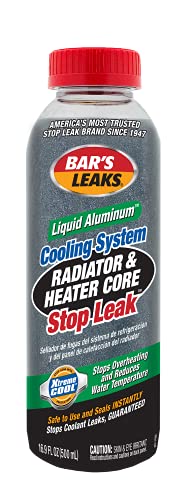
Best for: General radiator leaks, including freeze plug leaks. This liquid aluminum stop-leak is designed to seal leaks in radiators, heater cores, gaskets, and freeze plugs while helping to lower the risk of overheating. The product is easy to use—pour directly into the radiator and continue driving short distances to circulate the sealant. It’s a practical choice for everyday drivers facing minor, non-structural coolant leaks.
Why chosen: It provides a versatile, one-step solution for multiple leak points without draining the system. The aluminum-based formula is compatible with most cooling systems and helps protect against additional leaks due to minor head gasket seepage. Caution: If the cooling system already shows heavy leakage or overheating, replacement or professional service may be necessary rather than a sealant alone.
Bar’s Leaks 1109 Liquid Copper Block Seal, 18 oz

Best for: Permanent seal of coolant loss problems in cars, trucks, vans, SUVs, and RVs. This one-step formula uses copper-based sealant liquid glass that penetrates leaks in heads, blocks, heaters, and gaskets, with antifreeze compatibility and no requirement to drain the system. It’s especially useful when leaks are widespread or in multiple cooling components.
Why chosen: Its durable, permanent-seal approach can address a range of leaks quickly. The liquid copper formula targets cracks and gaps in metal and some plastic joints and is designed to work with various cooling system configurations. Limitation: As with many sealants, extreme or highly severe leaks may require mechanical repair rather than sealing alone.
Bar’s Leaks Radiator Stop Leak, 11 oz

Best for: Sealing internal, external, and coolant-to-oil leaks in plastic and metal radiators, heater cores, and head gaskets. This pelletized formula aims to seal larger leaks better than some liquid-only products. It also helps inhibit rust and corrosion with its water pump lubrication component.
Why chosen: It’s designed to tackle bigger leaks while also offering corrosion protection for the cooling system. Choose this if you’re dealing with a leak that’s harder to seal and you want a dual-action product. Caution: Pelletized formulations can behave differently in certain cooling-system mixes; follow product directions precisely.
Liqui Moly Radiator Stop Leak | 250 ml

Best for: All cooling systems with or without water filters. Liqui Moly Stop-Leak instantly seals leaks and protects vulnerable coolant contact surfaces within radiators, blocks, and heater cores. It’s known for its compatibility and effectiveness across a wide range of engines and cooling configurations.
Why chosen: It provides fast, reliable sealing without clogging radiator cores. It’s a well-regarded option for precautionary maintenance and for vehicles with mixed coolant systems. Limitation: For severe leaks or damaged components, a sealant may not replace proper repair or part replacement.
Permatex 30301 Radiator Repair Stop Leak, 16 fl oz

Best for: Stopping leaks and seepage from radiators, heater cores, and head gasket areas. This premium formula emphasizes preventing coolant loss with a versatile claim across radiator cores and other cooling-system expansion areas.
Why chosen: It offers a straightforward, easy-to-use option that focuses on preventing coolant loss and seepage without clogging radiator cores. Choose this if you want a reputable brand with a broad sealing capability that works across multiple leak points. Caution: Heavily damaged components may require mechanical repair beyond sealant capabilities.
Bar’s Leaks Block Seal Head Gasket Fix
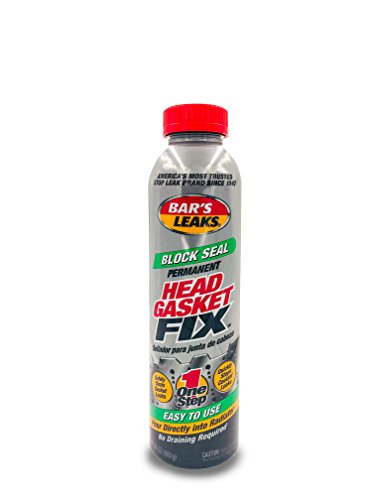
Best for: Repairing blown head gasket leaks and sealing warped or cracked heads and blocks. This one-step formula combines antifreeze-compatible sealing liquid with solid sealing particles to form a permanent fix. It’s suitable for vehicles that can idle without overheating for 15–20 minutes to allow the material to seal properly.
Why chosen: It addresses more severe leaks than typical stop-leaks and is a strong option when head gasket issues are suspected. Limitation: It requires a window of normal idle operation and is best used when a professional diagnosis indicates gasket-related leakage rather than minor radiator leaks.
Buying Guide: Key Factors to Consider
- Leak type and location: Exterior radiator leaks, heater cores, and gasket seepage require different formula strengths. Choose a product that cites compatibility with radiators, heater cores, and gaskets.
- System compatibility: Ensure the product is antifreeze-compatible and suitable for your vehicle’s metal composition (aluminum, cast iron, or mixed materials).
- Drain or no-drain: Some formulas require draining, while others claim to work without draining. Consider your willingness to perform fluid changes during application.
- Ease of use: One-step pour-and-seal formulas are convenient for DIY repairs, whereas pelletized or more complex mixtures may require specific mixing instructions.
- Severity of leak: For small, ongoing leaks, a sealant can be effective. For major leaks, mechanical repair or component replacement may be necessary.
- Long-term protection: Some products offer corrosion inhibitors or water-pump lubrication, which can extend the life of the cooling system beyond sealing.
FAQ
- Are radiator stop leaks safe for all cooling systems?
Most are designed to be compatible with common materials, but always verify antifreeze compatibility and test on a small area if possible. - Can I use stop-leak products with a new coolant flush?
It’s generally best to flush the system and then add the stop-leak product per instructions to avoid clogging. - Will stop-leak fix a warped head or cracked block?
No. Severe damage such as warped heads or cracked blocks typically requires professional repair. - How long does it take for a sealant to work?
Many products state that a seal forms after circulating the system for a short drive; results vary by leak size and system condition. - Should I replace a radiator or hoses after using a sealant?
If a leak reoccurs after sealing, or if hoses show wear, professional evaluation is recommended to avoid further damage. - Is there a risk of clogging the radiator with stop-leak products?
Some formulas may cause clogging if used excessively. Use only as directed and avoid repeated applications without guidance.