Answering the common question “how can I resurface a brick fireplace?” this guide highlights practical cleaning and repair options that restore brick surfaces and improve heat efficiency. The top picks focus on removing soot and creosote, resurfacing with heat-safe mortars, and using high-temperature bricks for lasting results. This selection is best for homeowners and DIY enthusiasts who want clear, step-by-step solutions with reliable products. Below is a quick summary table of five curated products to help you decide which approach fits your project.
| Product | Best For | Key Benefit |
|---|---|---|
| Sooted hearths and porous masonry | Industrial-strength solvent for quick buildup removal | |
| Gentle, non-abrasive surface cleaning | Thorough soot and grime removal with a scrub brush | |
| High-temperature brick replacement | Heavy-duty insulation and heat resistance | |
| Food-safe, ultra-high-temperature environments | Thermal insulation and durability for premium setups | |
| Crack repair and joint restoration | High-temperature bonding for durable repairs |
Rutland Brick And Stone Cleaner For Soot

Features: Safe for hearth brick and stone; removes soot, creosote, smoke residue, and other buildups; contains an industrial-strength solvent to dissolve buildup quickly. Best for: homeowners with sooty brick or porous masonry who want fast, effective cleaning without heavy scrubbing. Caution: Use in a well-ventilated area and follow label instructions to avoid skin contact.
Quick N Brite Fireplace Gel Cleaner

Features: Heavy-duty gel cleaner for brick, stone, rock, tile, and marble; non-abrasive; includes a scrub brush and 16 oz gel; easy application and rinse. Best for: those who want a user-friendly cleaning kit that tackles tough soot without scratching delicate surfaces. Caution: Gel can leave a slight residue if not rinsed thoroughly; wear basic eye protection as a precaution.
Fire Bricks 9″ X 4-1/2″ X 1-1/4″ – 6 Pieces

Features: High-quality mullite bricks designed to withstand up to 2400°F; insulating material helps retain heat; durable and long-lasting. Best for: project rebrick of a wood stove or fireplace where replacement pieces restore heat efficiency and reliability. Caution: Check exact dimensions for proper fit before ordering; bricks must be correctly positioned for optimal performance.
Fire Bricks 9″ x 4-1/2″ x 1-1/4″ 4-Pack
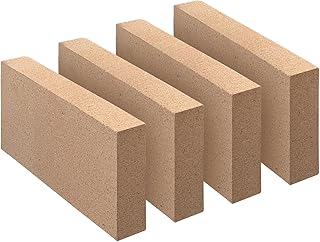
Features: Food-safe clay bricks; 3000°F resistance; strong density and high insulation; suitable for pizza ovens and smokers. Best for: environments where high-temperature cooking surfaces meet fireplace contexts, offering durable performance and food-grade safety. Caution: Not all installations require food-grade bricks; verify application needs before selecting this option.
Rutland Fireplace Mortar For Fire Brick & Crack Repair

Features: Premium refractory mortar that bonds firebrick and masonry; cures hard and withstands up to 2,000°F; ideal for crack repair and mortar joint re-pointing. Best for: DIYers and professionals performing crack repairs or joint restoration in fireplaces and chimneys. Caution: Mortar work should be dated and cured properly; follow manufacturer guidance for temperature exposure and curing time.
Buying Guide: Resurfacing A Brick Fireplace
What should you consider before choosing products for resurfacing a brick fireplace?
- Surface condition: If soot and creosote dominate, prioritize cleaners (Rutland Cleaner or Quick N Brite) before any rebrick or mortar work.
- Heat exposure: Choose bricks or mortars rated for high temperatures to ensure long-lasting performance in active fireplaces.
- Aesthetic goals: Replacement bricks provide a uniform look; cleaning restores the original texture and color without altering design.
- Safety and ventilation: Work with proper ventilation and protective gear, especially when applying solvents or mortars.
- Installation complexity: Mortar repairs require surface prep and curing; consider professional help for structural concerns.
How to Plan Your Project
- Assess the brick’s condition: surface soot vs. deep cracks.
- Choose a primary approach: cleaning first, then decide if repair or replacement is needed.
- Match materials to heating needs: use high-temperature bricks and mortars where substantial heat is involved.
- Schedule curing and drying times: follow product guidelines to prevent failures.
FAQ
- Q: Can I resurface a brick fireplace myself? A: Yes, with cleaning, potential brick replacement, and mortar repair, following product instructions and safety guidelines.
- Q: Is cleaning enough for a badly soot-stained fireplace? A: Cleaning can improve appearance, but deep creosote buildup may require professional removal or inspection.
- Q: Are high-temperature bricks necessary for all fireplaces? A: Not always, but they are recommended for wood-burning or high-heat areas to maintain durability.
- Q: Can I mix bricks from different brands? A: Mixing is possible, but ensure compatible sizes and thermal properties to avoid gaps or failures.
- Q: How long does mortar curing take for fireplace repairs? A: Curing times vary by product; follow the specific mortar’s instructions for safe use and curing.
- Q: Do these products require special ventilation? A: Yes, especially solvents and gels; ensure adequate ventilation and personal protective gear.