If you’re shopping for compact heat, a small wood pellet stove or a compact wood-burning stove is ideal for tiny rooms, cabins, or apartments. These five models balance space efficiency with reliable warmth, targeting buyers who need space-saving solutions without sacrificing heat. The top picks vary from high-tech pellet stoves to rugged cast-iron units, each chosen for tight footprint, useful hopper or fuel handling, and straightforward operation. The buyer’s guide below compares size, heat range, fuel type, and practicality to help you choose quickly for your space and climate.
| Product | Heat Area | Fuel | Best For |
|---|---|---|---|
| Mr. Heater Cleveland Iron Works Small Pellet Stove | 800–1200 sq ft | Pellets | Tech-savvy homes seeking remote control |
| Canyon Lodge Small Pellet Stove | 800–1200 sq ft | Pellets | Durable design with cast iron pot |
| Pddolw Indoor Wood-Burning Heating Stove | Designed for efficient room heating | Wood | Versatile fuel and portable heating |
| SofaHills Indoor Wood-Burning Heating Stove | Small spaces, cabin rooms | Wood | Affordable compact option |
| Comfort Glow Mighty Mini Wood Stove | Up to 750 sq ft | Wood | Very small footprint with solid heat |
Mr. Heater Cleveland Iron Works Small Pellet Stove

This compact pellet stove is built for modern homes that want smart features and steady warmth. It includes built-in WiFi for remote control and monitoring, and it heats a practical 800 to 1200 square feet. A 24-pound hopper capacity reduces frequent refilling, making it suitable for daily use in smaller living spaces. Best for tech-minded buyers who want convenience and programmable heating.
Best for: tech-friendly apartments or small homes where remote control improves daily comfort.
Limitations: pellet availability and hopper size may affect longer continuous burn times without refills.
Canyon Lodge Small Pellet Stove

This stove combines a robust 800–1200 sq ft heating range with a 24-lb hopper and a cast iron fire pot. The durable construction supports regular use in compact living spaces like cabins or small apartments. It’s a strong pick for buyers who want a traditional pellet stove with reliable heat and a steady burn.
Best for: users needing durable cast-iron construction and steady heat in compact areas.
Limitations: cast iron adds weight; installation may require clearance planning in ultra-tight spaces.
Pddolw Indoor Wood-Burning Heating Stove

This stove offers an airtight design for maximum heat retention and flexible fuel use, including wood and other natural fuels. It’s particularly suited for compact spaces where cooking and heating are combined, thanks to its cooking-capable design and efficient ash box system. Best for: households needing reliable warmth with versatile fuel options in tight spaces.
Limitations: wood-burning units require regular ash management and proper venting.
Indoor Wood-Burning Heating Stove, SofaHills
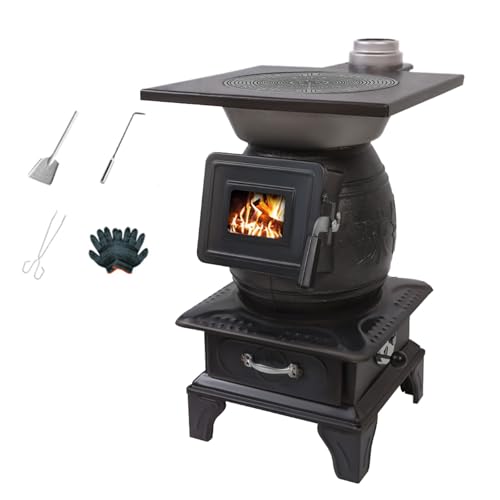
This small cast-iron stove emphasizes user-friendly features like a view window for monitoring the fire and an ash rake for easy cleaning. Its fully welded airtight design helps maximize heat retention, making it a practical choice for cabins or compact homes. Best for: buyers seeking a traditional, simple wood stove with easy maintenance.
Limitations: may require routine wood haul and careful placement to maximize efficiency.
Comfort Glow Mighty Mini Wood Stove

The Mighty Mini delivers compact, powerful heating for spaces up to about 750 square feet. Its small footprint makes it suitable for apartments, tiny homes, or off-grid cabins that still require reliable warmth. It complies with EPA standards for cleaner burn and efficiency. Best for: ultra-compact living spaces needing dependable heat without bulk.
Limitation: smaller firebox may mean shorter burn times between loads in very cold conditions.
Buying Guide: Key Considerations For Small Stoves
How big is your space? Measure the room and plan clearances around corners and walls. A stove’s heat output should match the square footage you want to heat, with some extra margin for doors and insulation gaps.
What fuel type fits your routine? Pellet stoves offer convenient maintenance and programmable control, while wood stoves give rustic performance and more fuel flexibility. If you prefer automation, prioritize pellet models with WiFi or smart features.
What hopper or loading needs matter? Larger hoppers reduce refueling frequency but add bulk. In tight spaces, a compact hopper with steady feeding can be a practical balance.
Material and durability influence longevity. Cast iron stoves tend to retain heat longer, while steel builds may heat up quickly but cool faster. Consider your climate and how often you’ll use the stove.
Ventilation and installation matter. Proper flue sizing, chimney clearance, and professional installation ensure safe operation and optimal efficiency in small rooms.
Frequently Asked Questions
- What’S the smallest pellet stove that can heat an apartment? A compact pellet stove designed for 800–1200 square feet typically fits most small apartments, provided the space is well insulated.
- Is a wood stove better than a pellet stove for small spaces? It depends. Wood stoves offer fuel flexibility and rustic heat, while pellet stoves provide easier maintenance and programmable control in compact rooms.
- Do these stoves require professional installation? Most non-portable models benefit from professional installation to ensure safe venting and proper clearance.
- Do any of these models have smart features? The Mr. Heater Cleveland Iron Works model includes built-in WiFi for remote control.
- What maintenance is typical for small stoves? Regular ash removal, chimney or vent cleaning, and checking gaskets help maintain efficiency and safety.
- Can I cook on a wood stove? Some units are designed with cooking surfaces or features; verify the product specifics before relying on cooking functionality.