Answer: For radiant and baseboard heating, smart thermostats that handle high-voltage, line-voltage systems offer the best balance of control, energy savings, and compatibility. The top choices below are best for single-room zoning, whole-home radiant floors, and older baseboard setups. This guide highlights five models that work well with 120V–240V systems, plus practical notes on installation, voice control, and scheduling. A quick buyer table is provided to compare key features at a glance.
| Product | Best For | Voltage | Connectivity | Notes |
|---|---|---|---|---|
| Mysa Smart Thermostat LITE for Electric Baseboard Heaters | Budget-friendly zones with HomeKit/Alexa/Google | 120V-240V | WiFi | 7-day scheduling, no hub |
| meross Matter Smart Thermostat for Electric Baseboard Heater | Users seeking Matter compatibility | 120V-240V | WiFi, Matter | Universal ecosystem compatibility |
| Mysa Smart Thermostat for Electric Baseboard Heaters 240V | Higher-power baseboard installs | 240V | WiFi | Remote control, alerts |
| SunTouch SunStat CommandPlus | Floor heating with touchscreen control | 120V-240V | WiFi | Floor/air sensing, 7-day schedule |
| BOWSEN Programmable Thermostat for Radiant Underfloor Heating | Dual-voltage floor heating with safety features | 120V-240V | WiFi | GFCI and floor/air sensors |
Mysa Smart Thermostat LITE for Electric Baseboard Heaters
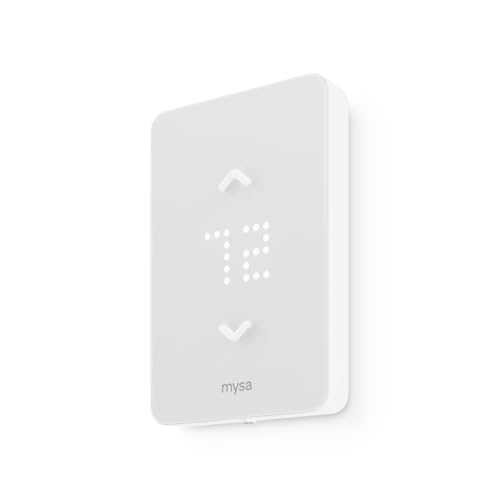
This 120V–240V model targets electric baseboard heaters and offers WiFi control with no hub. Key features include 7-day scheduling and compatibility with Apple HomeKit, Amazon Alexa, and Google Assistant. It’s best for room-by-room control where you want precise schedules without extra hardware, making it a solid choice for renters or homes with multiple zones.
Best for: Homeowners or renters wanting flexible scheduling and voice control without a hub. Why selected: It combines direct WiFi connectivity, multi-platform voice compatibility, and cost-efficient scheduling to reduce heating waste. Caution: Ensure your baseboard heating is within the supported load and wiring configuration before installation.
meross Matter Smart Thermostat for Electric Baseboard Heaters
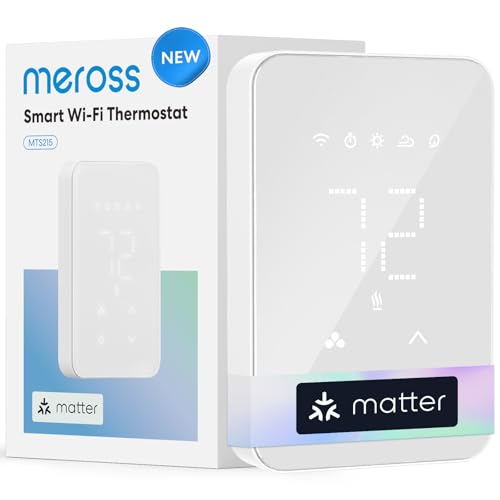
This thermostat emphasizes ecosystem versatility with Matter compatibility and support for Alexa, Apple Home, Google and SmartThings. It’s designed for high-line voltage bases (120–240 VAC) and aims to unify smart-home control across devices. The 24/7 scheduling helps reduce energy use while maintaining comfort, a practical choice for households seeking broad smart-home integration.
Best for: Smart-home enthusiasts who want Matter-ready control across platforms. Why selected: It provides broad voice assistant integration and convenient scheduling, reducing energy use. Caution: Not compatible with low-voltage HVAC systems or certain non-baseboard setups.
Mysa Smart Thermostat for Electric Baseboard Heaters 240V

This 240V-capable Mysa model targets higher-power baseboard installations and includes remote control via a free app, plus HomeKit, Alexa, and Google compatibility. It supports up to 3800W at 240V and provides temperature/humidity alerts. It’s best for larger rooms or spaces with stronger heating needs where high voltage systems are in use.
Best for: Higher-power baseboard setups needing robust scheduling and alerts. Why selected: It handles greater load than 120V models while offering familiar voice control and app-based management. Caution: Ensure your older baseboard wiring is compatible and that you have four wires including a neutral or second live wire.
SunTouch SunStat CommandPlus

The SunStat CommandPlus focuses on floor heating with a touchscreen interface and remote WiFi access. It includes SmartStart technology to ensure floors feel warm at scheduled times and offers floor and air sensing, 7-day programming, energy monitoring, and weather display options. This model suits radiant-floor setups where quick, on-spot adjustments are valuable.
Best for: Floor-heating enthusiasts seeking a touchscreen and floor-aware programming. Why selected: It combines a modern display with practical sensing features to optimize comfort and energy use. Caution: The setup is more complex due to floor/air sensing and may require professional installation in some homes.
BOWSEN Programmable Thermostat for Radiant Underfloor Heating
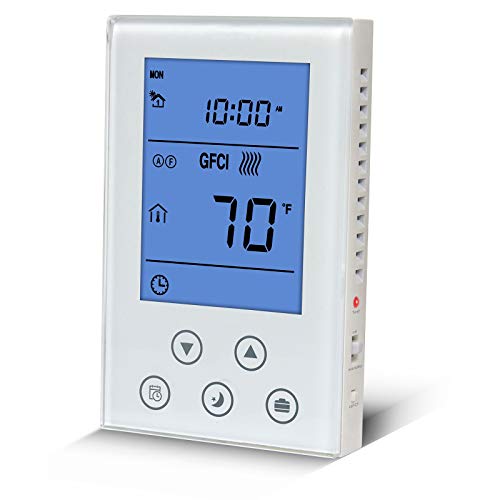
This dual-voltage thermostat supports 120V and 240V systems, with a maximum current of 15A and a maximum wattage of 1800W at 120V or 3600W at 240V. It includes a built-in GFCI and both floor and air sensors for safer operation, plus a compact design for underfloor installations. It’s best for safety-conscious setups with older wiring or higher load demands.
Best for: Safe, dual-voltage radiant heating installations requiring GFCI protection. Why selected: The built-in GFCI and dual sensors help reduce risk in underfloor heating projects. Caution: The GFCI can trip if there is an electrical leakage; verify wiring and perform the GFCI test after installation.
Buying Guide: Choosing The Right Radiant-Heat Thermostat
How do you choose the right thermostat for radiant heat?
- System compatibility: Confirm voltage (120V or 240V), load wattage, and whether your system is baseboard, convector, or underfloor. Some models require four wires including a neutral.
- Control features: Decide between simple scheduling, remote app control, or advanced sensors for floor temperature and air temperature. Consider whether you want voice control or Matter compatibility.
- Safety and sensors: Look for GFCI protection, floor and air sensing, and weather-aware programming for floors with varied heat response.
- Ease of installation: Some units are easier for DIY install; others may benefit from professional wiring, especially with high-voltage systems.
- Compatibility with smart ecosystems: If you use Apple HomeKit, Alexa, Google, or SmartThings, pick a model with broad compatibility to avoid ecosystem lock-in.
Quick decision comparisons
- Best for simple, hub-free control: Mysa LITE (WiFi, 7-day scheduling).
- Best for Matter and cross-platform control: meross Matter Smart Thermostat.
- Best for high-power 240V zones: Mysa 240V model.
- Best for floor-heating with a touchscreen: SunTouch SunStat CommandPlus.
- Best for safety-focused underfloor installs: BOWSEN with built-in GFCI.
Installation considerations
- Check wiring: Ensure you have the required wires and neutral when needed.
- Neutral requirements: Some high-voltage baseboard installs require a neutral or second live wire.
- Professional help: Consider electrician assistance for complex or older wiring to avoid safety issues.
Frequently Asked Questions
- Are smart thermostats suitable for radiant floor heating?
- Do these thermostats require a hub?
- Can I use a Matter-enabled thermostat with any smart-home setup?
- What safety features should I expect?
- How do I know if my baseboard heating is compatible?
- Is installation easy for a DIY homeowner?
Yes. Many are designed for high-voltage radiant-floor systems and can provide precise scheduling and remote control to improve comfort and energy efficiency.
Most listed devices operate over WiFi without a separate hub, though some ecosystems or features may benefit from one in certain setups.
Matter compatibility enables broader cross-platform control, but ensure your other devices support Matter or rely on your preferred voice assistant.
Look for GFCI protection, floor/air sensors, and safe load ratings to prevent electrical issues in radiant systems.
Verify system voltage (120V–240V), whether your baseboards are single- or multi-wire with a neutral, and the heater’s wattage rating against the thermostat’s maximum load.
It varies. Some models are straightforward WiFi installs, while others require wiring checks or professional assistance for high-voltage circuitry.