Choosing the right natural gas space heater can deliver powerful warmth while keeping operating costs in check. This guide highlights five top natural gas heaters, covering different room sizes and venting needs. Each model emphasizes safety, efficiency, and reliable performance for homes, offices, garages, and patios. The product summaries below include BTU output, coverage areas, and key design features to help you compare quickly.
| Product | Brand | BTU | Coverage |
|---|---|---|---|
| Big Maxx MHU80NG | Mr. Heater | 80,000 | Up to 2000 sq. ft. |
| MN300TBA-B | ProCom | 30,000 | Up to 1400 sq. ft. |
| MHU50NG Big Maxx | Mr. Heater | 50,000 | Up to 1250 sq. ft. |
| MHVFRD20NGT Vent Free | Mr. Heater | 30,000 | Up to 1000 sq. ft. |
| MN200TBA-B | ProCom | 20,000 | Up to 950 sq. ft. |
Big Maxx MHU80NG Natural Gas Unit Heater (80,000 BTU)
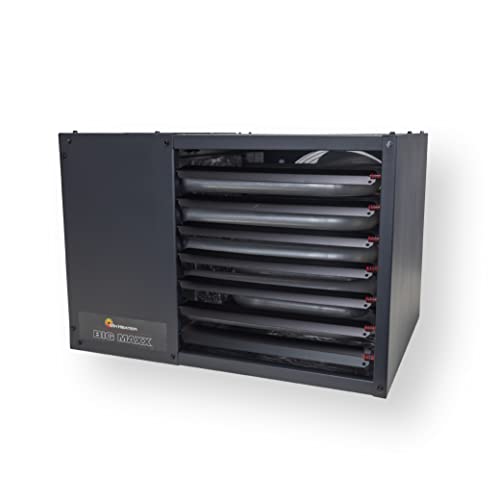
The Mr. Heater Big Maxx MHU80NG delivers 80,000 BTU for spaces up to about 2000 sq. ft. It is designed for vertical category 1 venting or horizontal venting and includes two angle brackets and a liquid propane conversion kit. This model runs on natural gas and uses 120 V electrical supply with a typical 2.3 amps draw. Clearances and installation specifics are important for safe operation and efficient heating in larger areas.
MN300TBA-B Ventless Natural Gas Flame Heater

This ProCom compact Blue Flame heater provides up to 30,000 BTU and can heat up to 1400 sq. ft. It includes thermostat control with High/Medium/Low settings. The design supports wall mounting or floor placement with base feet, offering a slim profile suitable for offices, bedrooms, or living rooms seeking supplemental warmth without venting requirements in certain configurations.
Big Maxx MHU50NG Natural Gas Unit Heater (50,000 BTU)
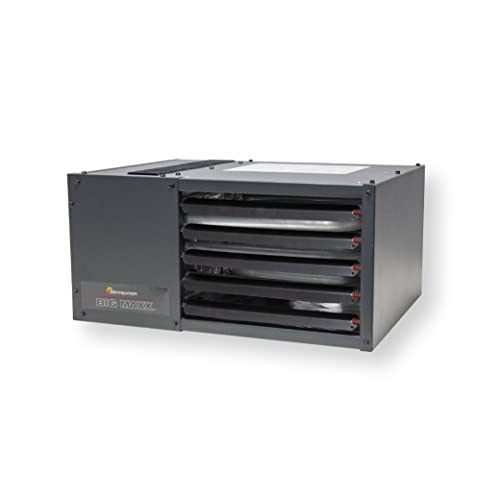
With 50,000 BTU, the Mr. Heater MHU50NG is designed to heat spaces up to around 1250 sq. ft. It supports vertical and horizontal venting and provides straightforward access to thermostat and gas connections from the outside, simplifying serviceability and installation in mid-sized spaces where robust warming is needed.
Vent Free Radiant 30,000 BTU MHVFRD20NGT

This vent-free radiant heater delivers up to 30,000 BTU and uses infrared technology to warm people and objects directly, covering up to 1000 sq. ft. It includes safety features such as automatic low-oxygen shut-off and is suitable for supplemental heat in homes, offices, garages, patios, or cabins where venting is not practical.
MN200TBA-B Ventless Natural Gas Heater (20,000 BTU)

The ProCom MN200TBA-B offers 20,000 BTU for spaces up to 950 sq. ft. It features a balanced design with thermostat control and options for wall mounting or base feet. This model is positioned for smaller to mid-sized rooms where reliable, cost-effective natural gas heat is desired without ductwork or venting constraints in many layouts.
Dyna-Glo 20,000 BTU Natural Gas Blue Flame Vent Free

The Dyna-Glo vent-free model provides adjustable heat output from 10,000 to 20,000 BTU, suitable for up to 700 sq. ft. It uses blue flame technology to convert heat into warmed air similarly to central heating, offering flexible placement for rooms that require a quick warmth boost without venting concerns.
Rinnai FC824N Ventless Natural Gas Heater
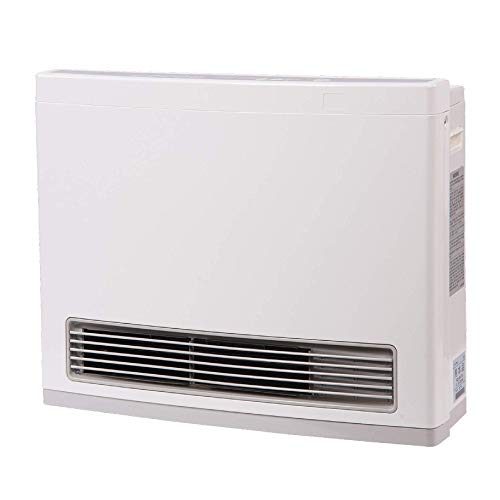
The Rinnai FC824N emphasizes energy-efficient heating for compact spaces with programmable thermostat functionality. It includes safety features like flame failure and oxygen depletion sensing, offering reliable performance for homes or offices seeking precise temperature control and modern safety protection in a ventless design.
Buying Guide: Key Considerations For Natural Gas Space Heaters
- Room size and BTU: Match heater BTU to the target space. Larger areas require higher BTU units, while smaller rooms benefit from lower BTU models to avoid overheating.
- Ventilation and venting type: Decide between vented vs. ventless units. Vented models can require external venting and professional installation, while ventless units offer simpler placement but must meet indoor air standards.
- Installation options: Wall mounting, base feet, and external thermostat access affect placement flexibility. Choose a model with features that align with your room layout and accessibility needs.
- Thermostat and control: Thermostat precision, programmable options, and remote control capabilities influence comfort and energy efficiency. Look for models with adjustable heat settings and safety shut-offs.
- Safety features: Oxygen depletion sensors, flame failure devices, tip-over or tilt switches, and automatic shut-offs are essential for indoor use. Ensure compliance with local codes and manufacturer guidelines.
- Energy efficiency and operating costs: Compare BTU output with efficiency ratings to estimate running costs. Ventless blue flame and infrared technologies can offer different warmth profiles and operating efficiencies.
- Maintenance and service: Accessibility of thermostat connections, gas line access, and service support are important for long-term reliability. Read user reviews for real-world reliability data.
- Installation requirements: Some models require professional installation, venting adjustments, or gas line modifications. Confirm the necessary clearances and clearance from combustibles in the user manual.